
Why go
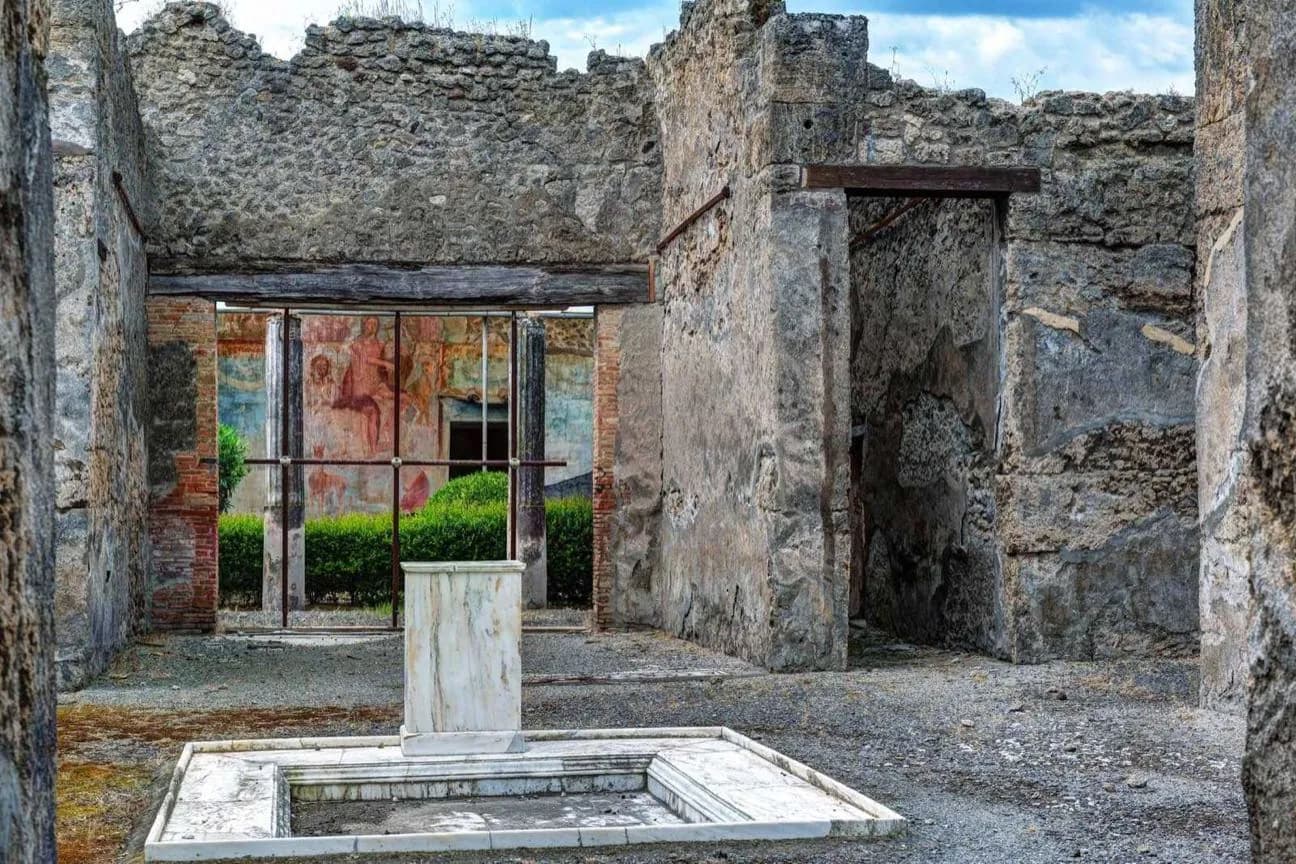
The difficult balance between excavation, exposure, weather, visitor pressure, stabilization, and long-term conservation change how the excavated city makes sense. Excavation protects buried evidence by studying it, but it also exposes walls, plaster, mosaics, wood traces, and drainage systems to rain, sun, plants, pollution, and structural movement.
The full story
Excavation protects buried evidence by studying it, but it also exposes walls, plaster, mosaics, wood traces, and drainage systems to rain, sun, plants, pollution, and structural movement. Pompeii's scale makes that problem unusually demanding. Conservation teams must stabilize buildings, manage water, monitor decorated surfaces, and decide where visitor access is compatible with fragile remains. Closing a house can be part of responsible care rather than a sign that it lacks importance. Large programs have improved drainage and reduced long-standing risks, yet preservation remains continuous work. Visitors can help by following barriers, avoiding contact with walls and floors, and accepting route changes. The most durable way to experience Pompeii is to see conservation as part of the site's story: every open room depends on choices about what can safely be shown.