
Why go
The colony's public building program, elite houses, trade, entertainment, and daily life during the first century AD change how the excavated city makes sense. After becoming a Roman colony, Pompeii adopted institutions and building forms shared across the empire while keeping strong local character.
The full story
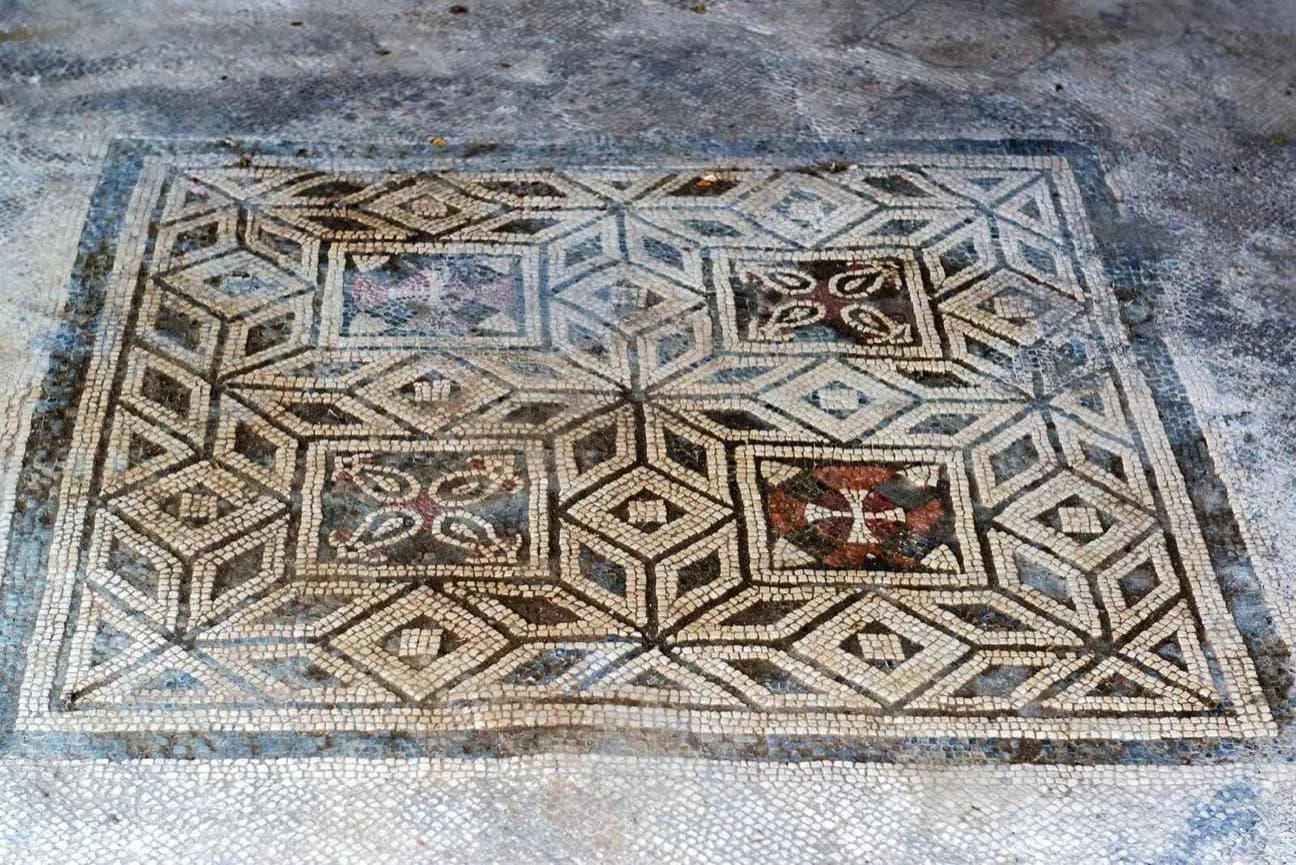
After becoming a Roman colony, Pompeii adopted institutions and building forms shared across the empire while keeping strong local character. The Forum gathered civic, religious, judicial, and commercial functions. The amphitheatre and theatres supported mass entertainment, and bath complexes organized exercise, bathing, and sociability. Wealthy households used atria, gardens, paintings, mosaics, and carefully framed views to communicate status. At the same time, bakeries, laundries, bars, workshops, rental rooms, and street stalls reveal labor and trade embedded throughout the city. Inscriptions and electoral notices show competition among local elites. Rather than imagining a frozen resort town, read first-century Pompeii as a working regional center whose residents continually altered buildings, advertised services, repaired damage, and negotiated public reputation. This context rewards patient comparison on site.