
Why go
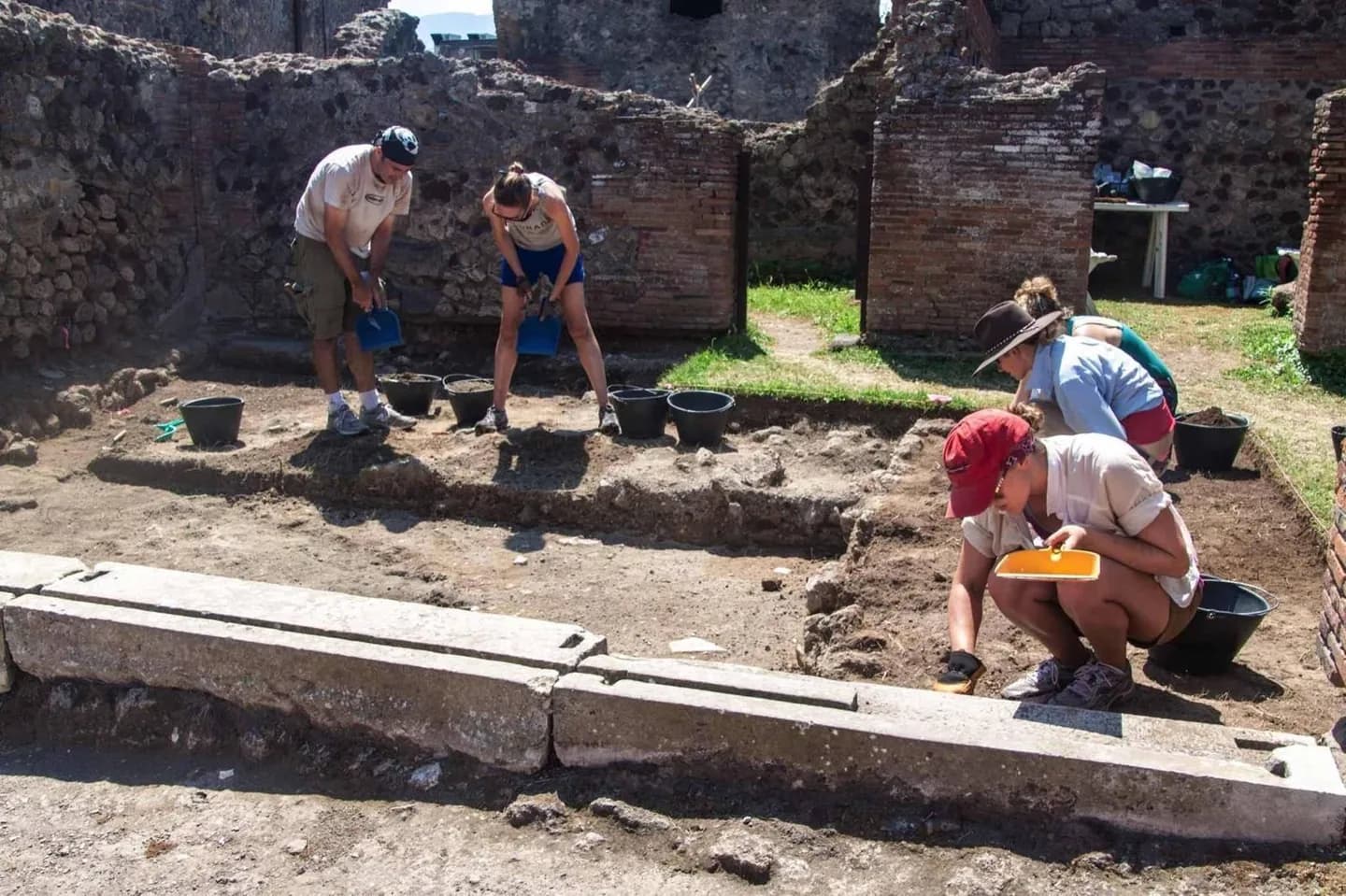
The tunnels, open-air excavations, documentation methods, and changing archaeological questions that brought the city back into view change how the excavated city makes sense. Pompeii was never entirely forgotten, but systematic excavation began only after early modern tunneling and chance discoveries revealed decorated buildings.
The full story
Pompeii was never entirely forgotten, but systematic excavation began only after early modern tunneling and chance discoveries revealed decorated buildings. Eighteenth-century work often pursued portable art and spectacle. Later excavators cleared larger areas, organized the city into regiones and insulae, and developed methods for recording architecture and finds. Giuseppe Fiorelli's use of plaster to fill body-shaped voids became one of archaeology's most recognizable techniques. Twentieth- and twenty-first-century projects shifted attention toward stratigraphy, environmental evidence, building history, conservation, and digital documentation. The open city seen today is therefore also a history of archaeological choices. Restored walls, moved objects, protective roofs, reconstructed gardens, and closed areas reflect different periods of excavation and preservation, not simply the condition in which every space was found.