
Why go
Knowing the street pattern helps set realistic expectations before hiring or using a car. Ribeira and Baixa are compact but hilly, with narrow streets that are better experienced on foot than navigated as a through-route. This matters most around the riverfront and cathedral quarter.
The full story
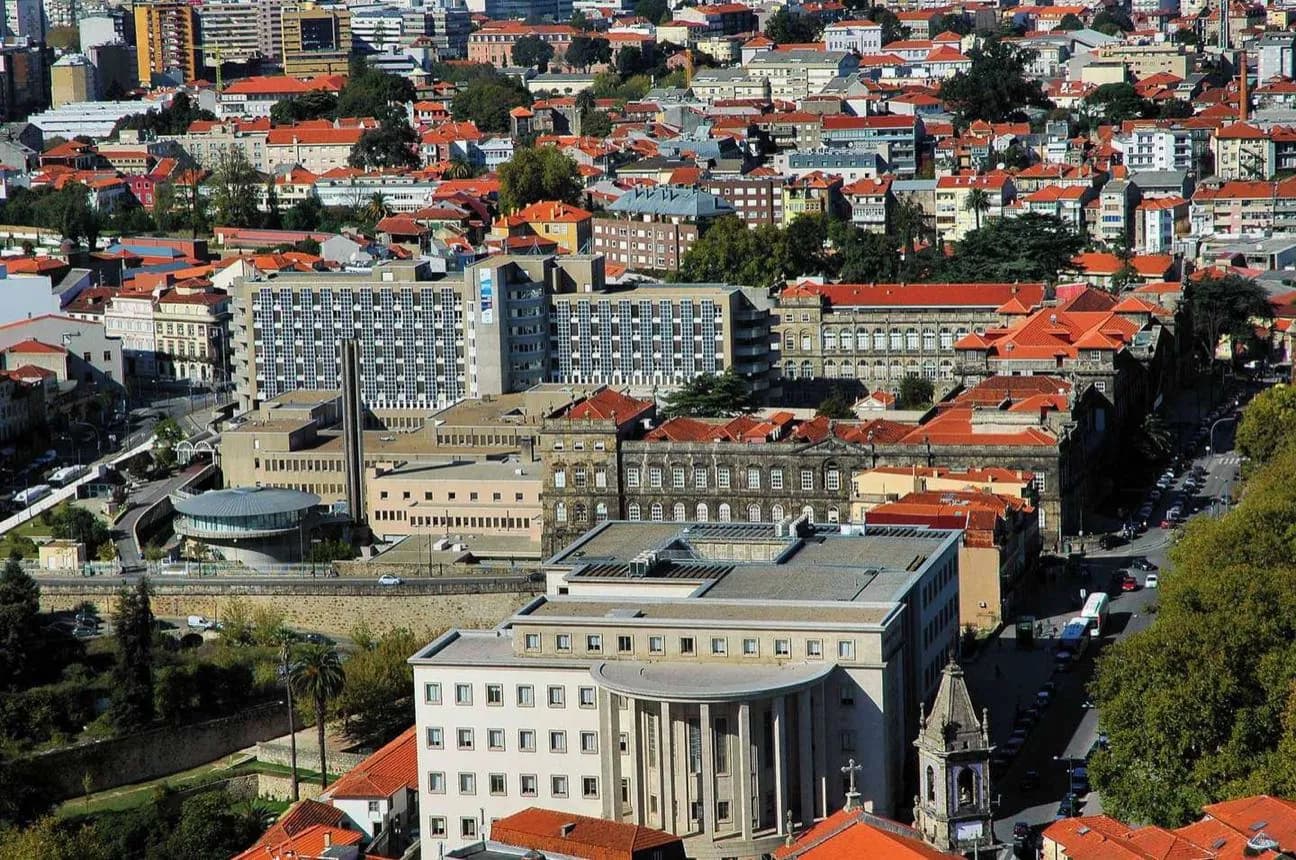
Driving changes character sharply between Porto's broader avenues and its older core. In Ribeira and Baixa, narrow streets, tight turns and stretches of cobbling make short distances feel slower than they appear on a map. The slopes are another constraint: they are tiring on foot, but do not make a car especially convenient once streets become confined. Treat a car as a tool for travel beyond the centre rather than for moving between central sights. For a day focused on the riverfront, the cathedral quarter or the main shopping streets, walking allows more time to notice the layers of streets and buildings. It also avoids difficult manoeuvres on old streets. Check current parking and traffic restrictions before taking a vehicle into central districts.