
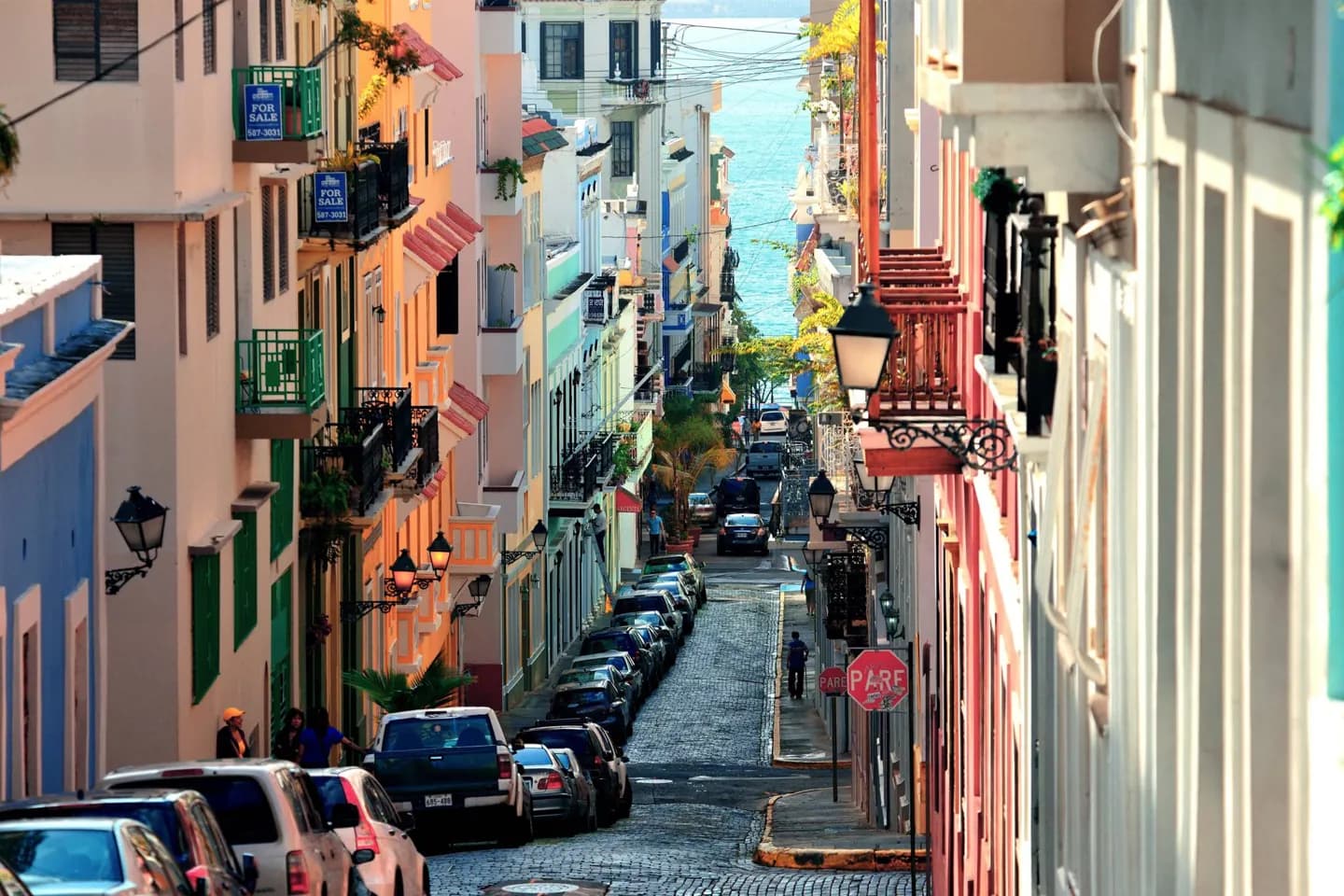
Why go
Look for Taíno names such as Borikén, carved santos in the folk-art tradition, and musical forms such as bomba, plena and jíbaro song. These are distinct practices with their own histories, not interchangeable signs of a single “island culture.” They offer a more useful starting point than a list of influences.
The full story
Puerto Rico’s cultural history is visible in words, objects and performance. Taíno place names and ceremonial sites point to Indigenous life before Spanish colonization. Under Spanish rule, Catholic imagery became part of domestic and public art; carved santos are one lasting form. African and European musical traditions developed in different communities and settings, while later movement between Puerto Rico and the United States shaped writing and popular music. The result is not a single style to identify on sight. A visitor will learn more by connecting each form to a place or practice: a ceremonial site such as Caguana, a carved saint figure, or the sound of a cuatro in jíbaro music. Each opens a different part of the story without making one tradition stand for everyone.