
Why go
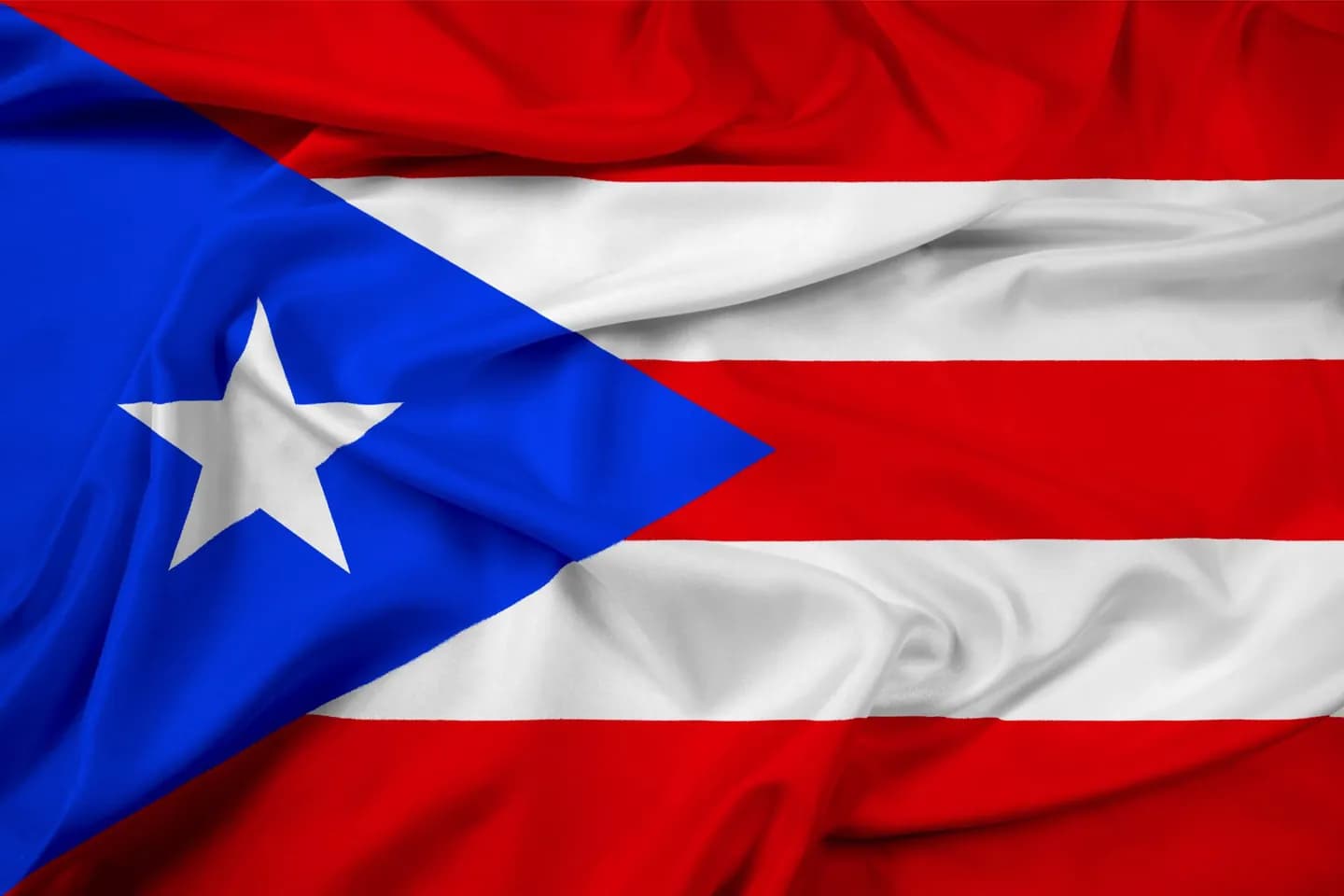
Start with San Juan to see the harbor defenses and colonial streets, then look beyond the capital to the Cordillera Central, Vieques and Culebra. The word boricua, used for Puerto Rican identity, recalls Borikén, the Taíno name for the island. Those names give a useful thread through places that otherwise feel quite different.
The full story
The main island and its smaller neighbors have never been one uniform landscape. Taíno communities lived across the archipelago before Spanish colonization began in the late fifteenth century. Spain held Puerto Rico for centuries; after the Spanish-American War, it ceded the island to the United States in 1898. That sequence helps explain why Spanish remains central to daily life while Puerto Rico’s political relationship is with the United States. It also gives context to the stone defenses of Old San Juan and to Indigenous names still used across the islands. Borikén lives on in Borinquen and boricua, words that connect present-day identity with an older name for the place. A visitor can follow that layered history without treating every town as another version of San Juan: the main island, Vieques and Culebra each have their own geography and rhythms.