
Why go
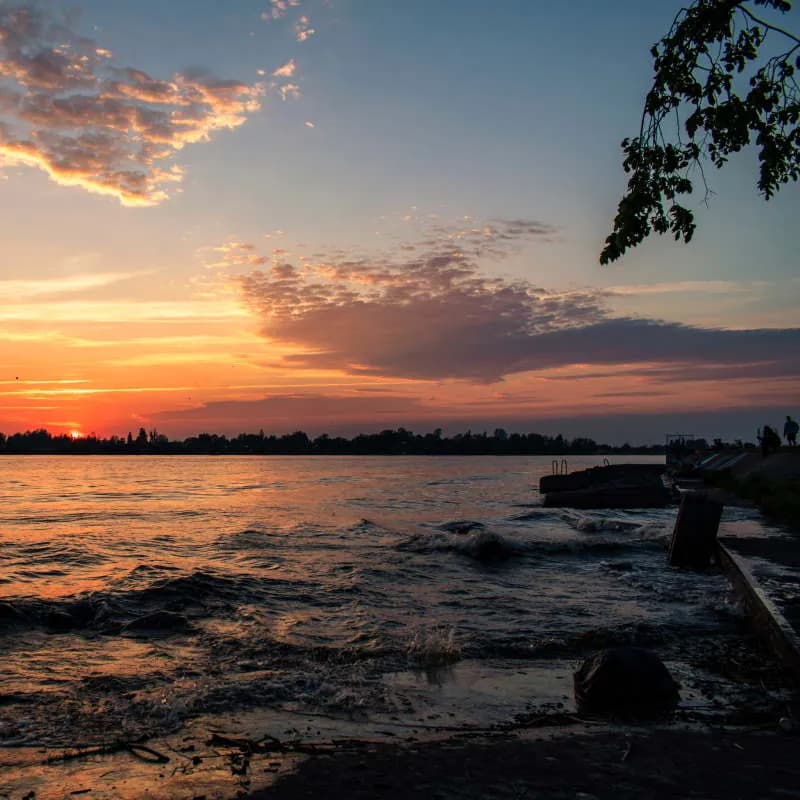
This district shows a more unsettled side of Riga's riverside: port infrastructure, reused spaces and ongoing redevelopment sit close together. It suits a walk focused on urban change rather than a checklist of monuments. Public routes can be fragmented, so follow open streets and treat individual waterfront venues as separate destinations.
What to look for
- Former industrial port setting beside the Daugava.
- Contrast between working waterfront fabric and newer uses.
- A changing district north of the historic centre.
The full story
Andrejsala grew from Riga's port landscape beside the Daugava, just north of the older city centre. Quays, industrial buildings and service areas shaped its character for much of the twentieth century. More recently, parts of the former port have taken on cultural and leisure uses while other plots remain in transition. That unevenness is central to the experience. Andrejsala is not a finished historic quarter with a continuous visitor circuit; streets, active sites and accessible waterfront stretches can change as redevelopment proceeds. Its value for a visitor lies in seeing how Riga has used the river for work and how that role is being reconsidered. The setting also offers a useful contrast with Old Town's preserved streets and formal monuments. Walk it for the district's scale and industrial traces, allowing the public route on the day to shape how far the exploration goes.
Useful to know
- Check the route of open public streets before walking towards the waterfront.
- Do not assume every quay or former port plot is publicly accessible.
Your next visit
Estimated · Declared scenario and planning estimates; no live opening, weather, queue or booking service.
Outdoor visit · 30–45 min
World planning estimate; admission, opening, visit duration and access need checking.