
Why go
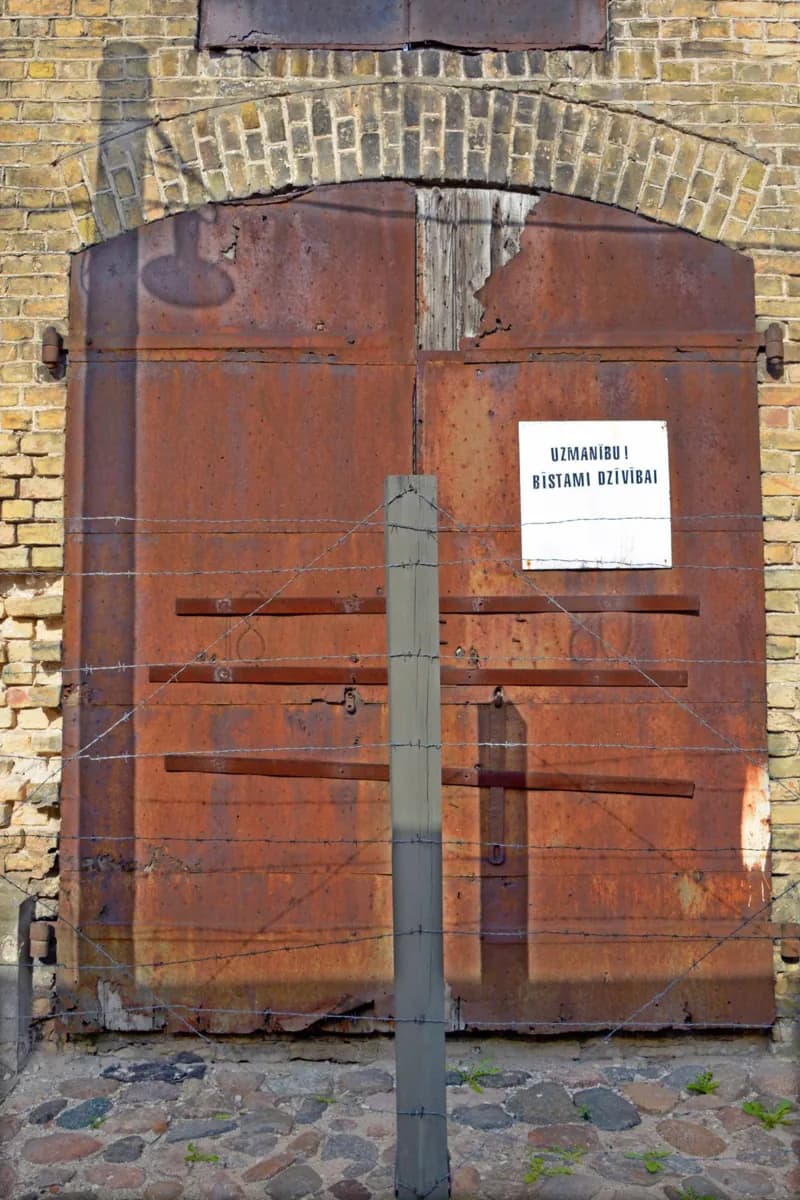
This context gives the Riga Ghetto and Latvian Holocaust Museum more meaning than a street plan alone can provide. It explains why a ration card, a checkpoint or a lesson taught in secret could carry such weight for a person confined in the ghetto.
The full story
People entered and left the ghetto through a guarded police yard, where they were searched and could be beaten. Nazi rules restricted food to rationed purchases inside the ghetto, and the supplies were poor. Workers tried to bring food back from outside, but discovery at the checkpoint could bring severe punishment or death. In October 1941, the occupation authorities also ordered the seizure of nearly all Jewish property of value. Some residents hid possessions rather than surrender them. The German and Latvian sections each had a Jewish Council and ghetto police, operating under Nazi control. Survivors later assessed those bodies differently: some remembered attempts to help, while others stressed how the authorities used them to carry out their own orders. Education continued where people could sustain it. Teachers needed food to survive, and some taught pupils privately after the murder of many parents and children in March 1942. These efforts did not lessen the ghetto’s violence; they show what people tried to preserve within it.