
Why go
Accounts of the ghetto can be hard to understand without the threat behind its checkpoints and rules. This history connects the search for food, the return from forced labor and the prison inside the German section to the violence that governed them.
The full story
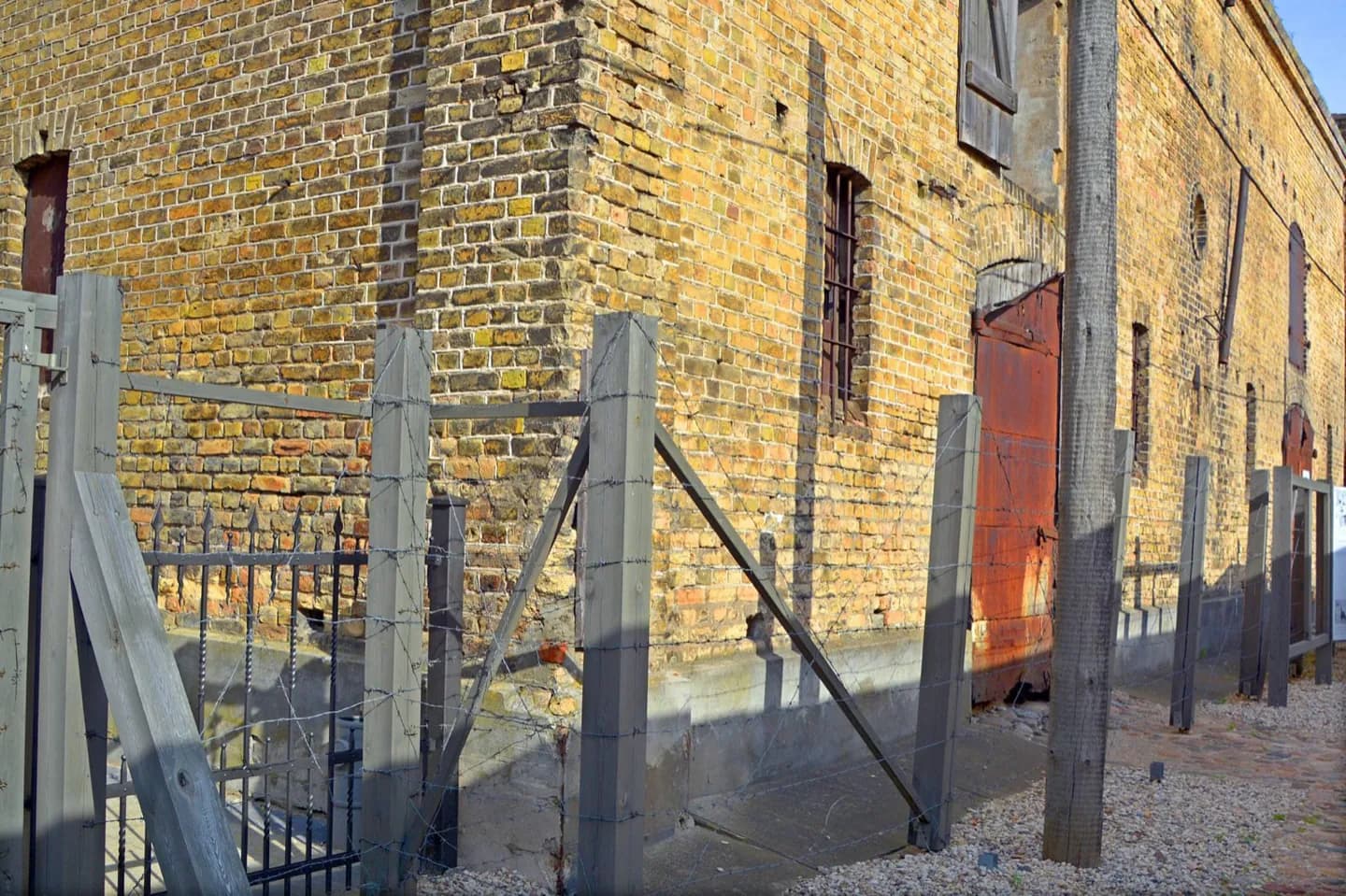
The Nazi authorities established a prison in the German section of the Riga ghetto. German and Latvian Jews could be detained on suspicion of breaking rules, and some taken there were never seen again. Bartering and bringing food into the ghetto were forbidden even though rations were inadequate. Possessing a newspaper or other written material could also carry a death sentence. Public hangings and shootings made the threat visible to everyone confined there. One survivor account recalls workers being searched as they returned from a forced labor detail. Some had tried to bring back food, including potato peelings. The authorities arrested them and later shot three men in front of assembled ghetto prisoners, including the family of one victim. Another account describes commandant Kurt Krause killing a teacher after finding she wore a gold watch. Such episodes show how rules were used to terrorize people rather than maintain any fair order. They also explain why ordinary acts of survival recur in testimony alongside accounts of murder.