
Why go
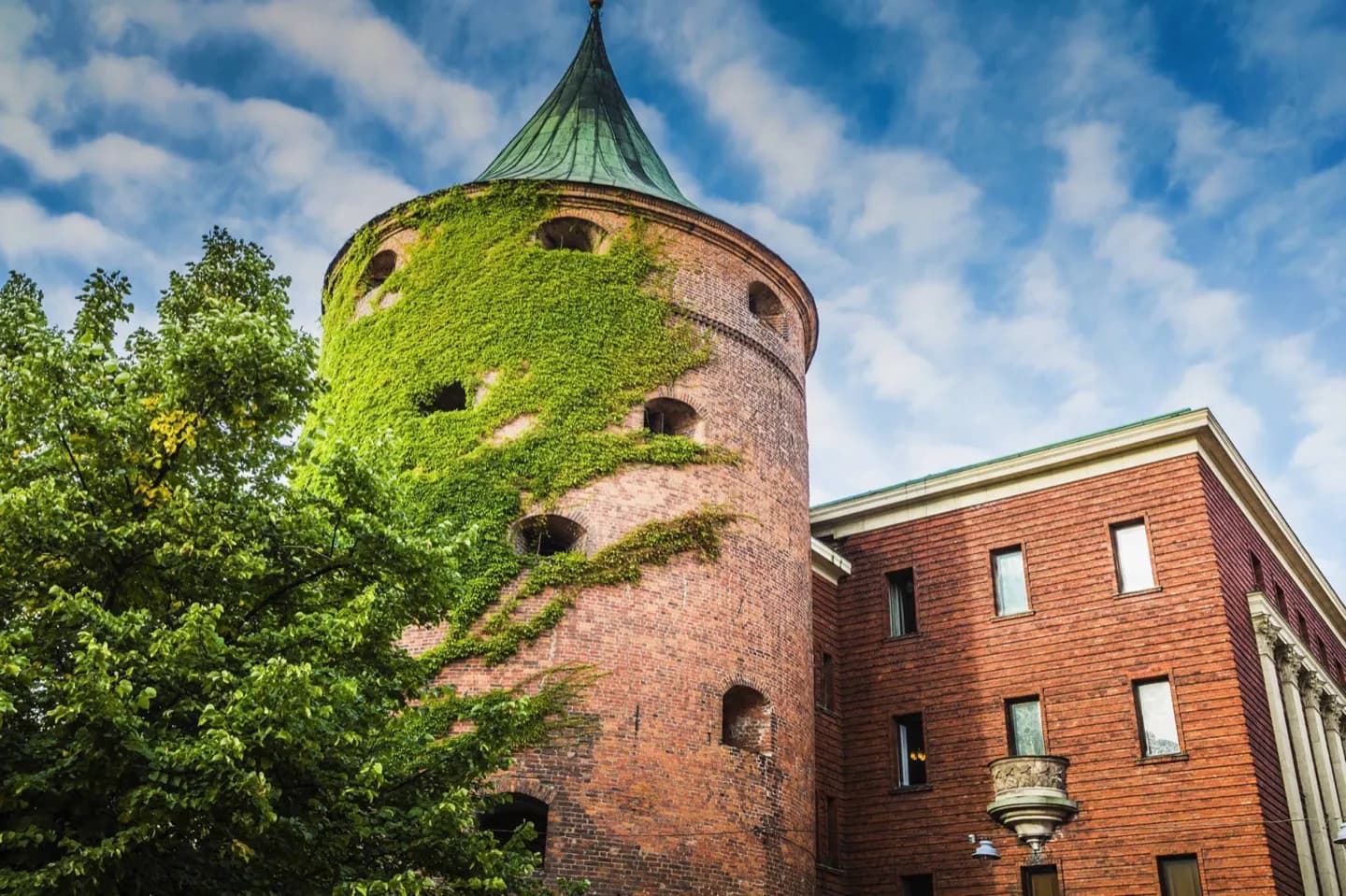
The setting makes military history tangible before the exhibits begin: the Powder Tower belonged to Riga’s defenses, while the museum’s photographs, documents, uniforms and medals span later conflicts. It offers context for the Latvian riflemen, two world wars, Soviet occupation and the restoration of independence.
What to look for
- The Powder Tower preserves part of Riga’s former fortifications.
- Photographs, uniforms and medals give personal scale to 20th-century conflicts.
The full story
The museum began in 1916 as an institution devoted to the Latvian riflemen of the First World War. Since 1919 it has been associated with the Powder Tower, one of the surviving towers of Riga’s former defenses. That pairing is useful: the tower speaks to the fortified city, while the collections follow Latvia through the upheavals of the 20th century. Weapons, photographs, documents, medals and military uniforms make the history more concrete than a sequence of dates. The museum’s account includes the Latvian army, both world wars, Soviet occupation and the periods when Latvia fought for or regained independence. Look for the change in scale between the physical tower and the individual objects inside it. A uniform or photograph can bring a national conflict back to the life of one person. Displays and access can change; consult the museum’s current information if a particular topic matters to your visit.
Useful to know
- Use the Powder Tower as an Old Town orientation point; verify the museum’s present entrance and timetable before visiting.