
Why go
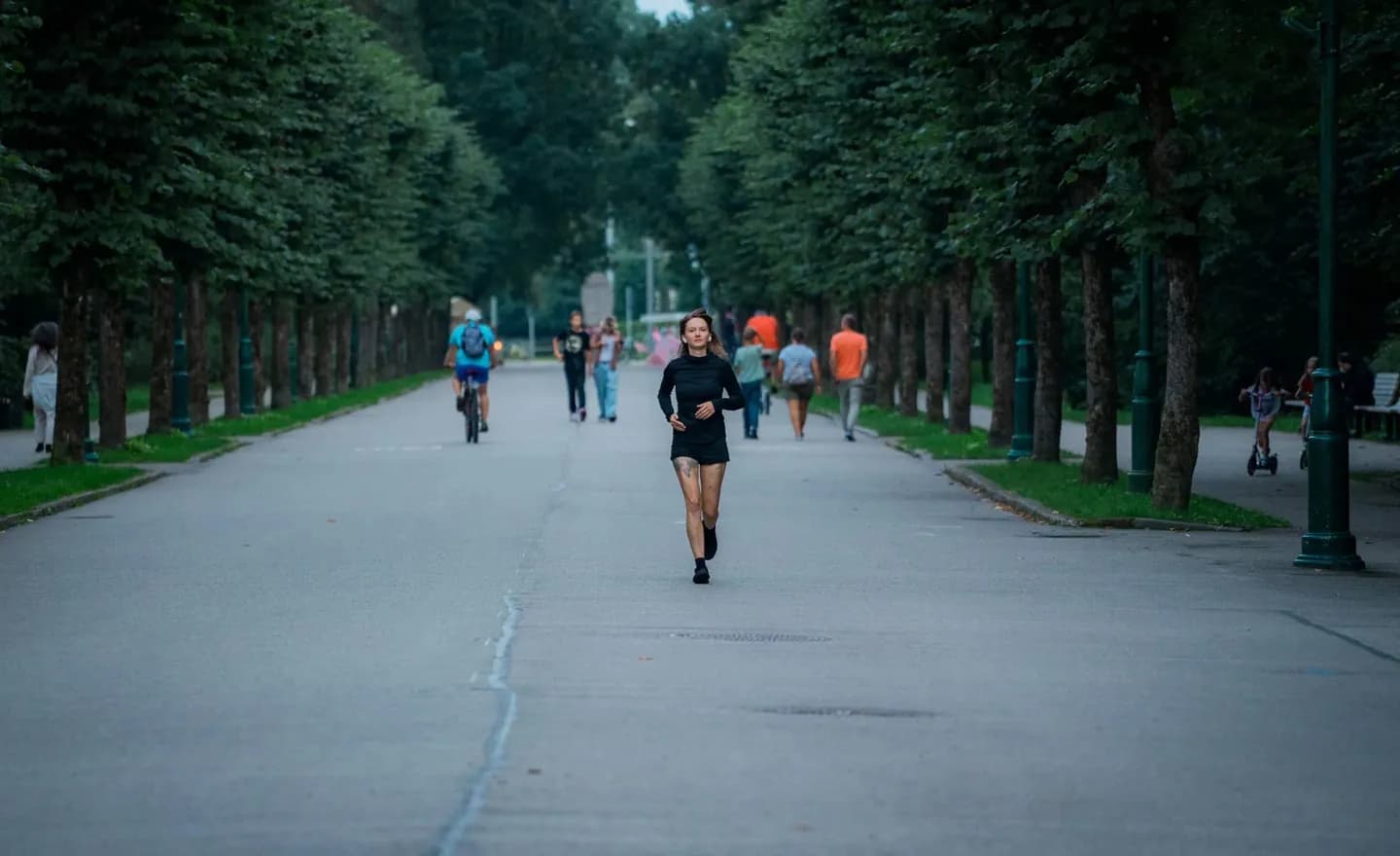
The area is Riga's clearest change of pace from dense central streets. Walk public park paths towards the lake, notice the garden-city character of the neighbourhood, and decide separately whether the zoo or an event at the Great Bandstand fits the day. Each adds a different kind of visit.
What to look for
- Wooded public paths and the shore of Lake Ķīšezers.
- Great Bandstand associated with Latvia's Song and Dance Festival.
- Early twentieth-century villas in the surrounding neighbourhood.
The full story
Mežaparks developed in the early twentieth century as a greener residential district on the western shore of Lake Ķīšezers. Originally known as Kaiserwald, it was planned with wooded surroundings and villas that gave residents a markedly different setting from Riga's dense centre. Its public park remains the main reason for many visitors to come north. The Great Bandstand connects the area to Latvia's Song and Dance Festival, while Riga Zoo is another distinct destination within the wider district. Those attractions should be understood alongside, not confused with, a simple walk on public paths. The area's history also includes the Nazi Kaiserwald concentration camp during the Second World War, a grave part of the landscape's past that should not be erased by its present recreational use. Mežaparks therefore holds several stories at once: planned suburban greenery, national cultural gatherings, leisure by the lake and wartime persecution.
Useful to know
- Allow a substantial outing for the park and lakeside; the area is well beyond Old Town's compact walk.
- Plan Riga Zoo or a bandstand event as a separate activity with its own access details.
- Check the route to the particular park entrance or lakeside destination you want.
Your next visit
Estimated · Declared scenario and planning estimates; no live opening, weather, queue or booking service.
Outdoor visit · 30–45 min
World planning estimate; admission, opening, visit duration and access need checking.