
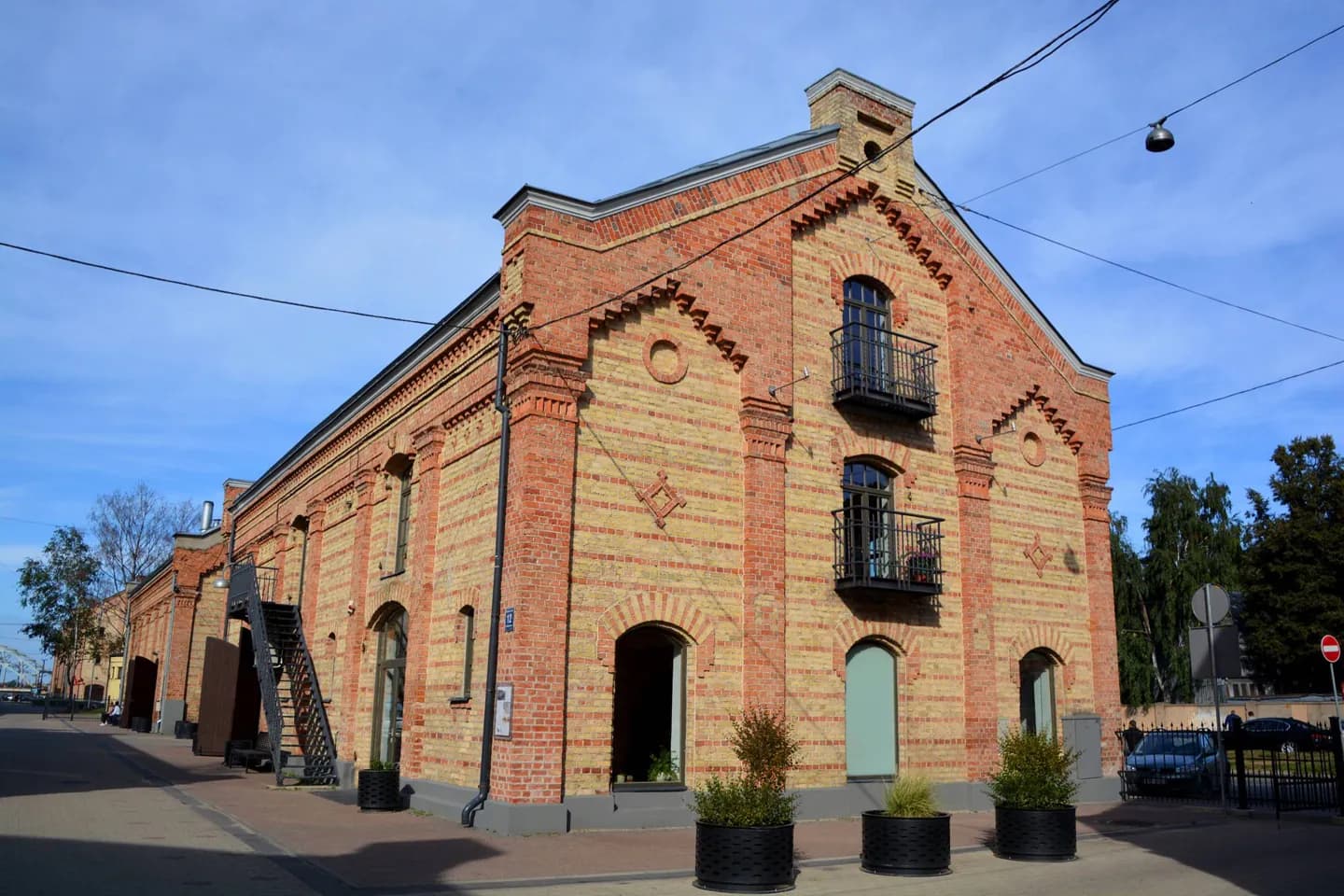
Why go
This history explains why the former ghetto must be understood as a whole urban area, not a single memorial site. The October order uprooted around 30,000 people and compressed them into a small part of Riga. Knowing how the boundary was imposed helps make sense of later events at Rumbula and the smaller ghetto that followed.
The full story
In July 1941, Riga's German occupation command decided to concentrate Jewish workers in a ghetto. Jewish residents were registered, and a Jewish Council was formed under occupation authority. On 23 October, Nazi officials ordered Riga's Jews to move by 25 October into part of Maskavas Forštate, also known as the Moscow Suburb. About 30,000 people were crowded into a fenced area of roughly 16 blocks. Armed guards controlled its perimeter. The move also enabled widespread theft. Families could take little with them; property left behind was seized through occupation offices or taken by individuals involved in the regime. A former residential district had been turned into an instrument of confinement in a matter of days. The large ghetto existed only briefly before the killings at Rumbula in late November and early December 1941. Reading its history alongside the surrounding streets helps explain the scale of the forced move, while the Riga Ghetto and Latvian Holocaust Museum provides a separate place for interpretation.