
Why go
Riga's Old Town was once protected by more than medieval walls. The Triangula Bastion was part of a later system of projecting earthworks designed for artillery warfare, while the surviving city canal and Bastejkalns trace changes to those defences. This history gives a walk around the Old Town's edge a clearer geographical frame.
The full story
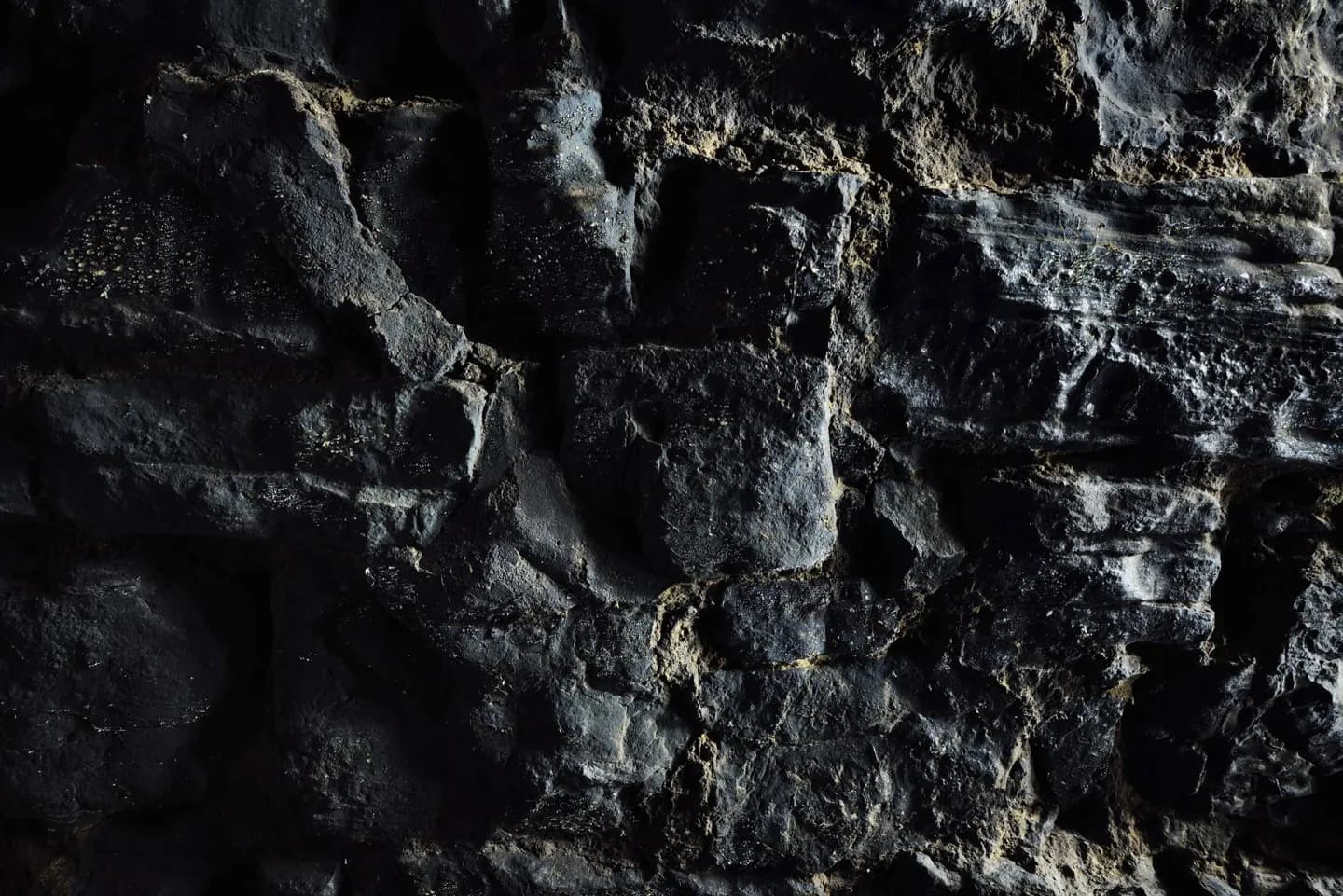
Riga's defences changed as artillery made older vertical walls vulnerable. In the 16th and 17th centuries, an earthen rampart was built around what is now Old Riga. Projecting bastions covered approaches to the walls, while smaller outworks stood in the moat. The Triangula Bastion belonged to this system and was reconstructed in 1727. Its angled walls were faced with pink and grey dolomite, with a thick inner structure and sand filling between walls. As weapons and the city changed, the fortifications lost their military purpose and began to obstruct growth. Much of the wall was removed between 1857 and 1864. Part of the moat became the city canal, and Bastejkalns was formed at the former Sand Bastion. These visible features make the larger defensive plan easier to imagine during a walk around Old Riga. The former bastion and the later canal landscape belong to different stages of the same changing city boundary.