
Why go
The ferry journey and absence of cars change the pace before sightseeing begins. Early-20th-century houses, older buildings and landscaped resting places reward an unhurried circuit on foot or bicycle. The island works best for travelers who value bay atmosphere over a checklist of major monuments.
What to look for
- Car-free streets make bicycles and walking the natural ways to explore the island.
- Many houses date from the early 20th century, with some older buildings from the 1700s.
- Parque Darke de Mattos provides a green pause within the island circuit.
The full story
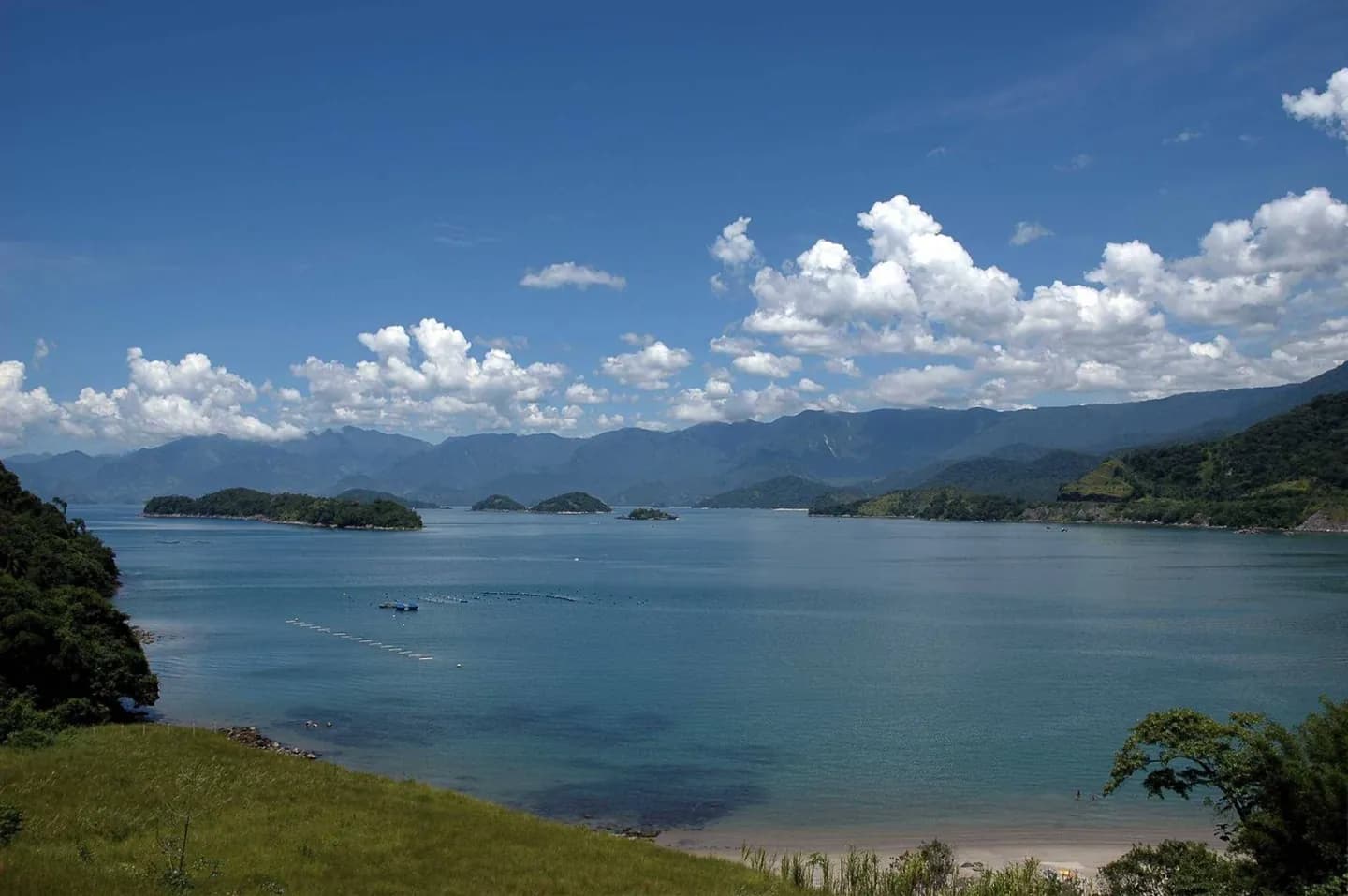
Paquetá became a fashionable weekend retreat for wealthy Brazilians in the early 20th century. Houses from that period still shape much of the island, while a smaller number of buildings reach back to the 1700s. Its popularity later faded among the same social circles, but the built landscape remained. The island's setting also limited the kind of urban change common elsewhere in Rio de Janeiro: access is by boat, and the streets developed without ordinary car traffic. That combination gives Paquetá its clearest character today. A bicycle ride passes domestic architecture, landscaped resting places and the edge of Guanabara Bay at a human pace. Rather than expecting a single headline attraction, look at how ferry access, old houses and car-free movement preserve the feeling of a self-contained island district.
Useful to know
- Check the current ferry timetable from Praça XV before committing to the trip.
- Rent a bicycle or walk; plan the outing around the island's car-free street network.
- Verify current water-quality advice before swimming in Guanabara Bay.
Your next visit
Estimated · Declared scenario and planning estimates; no live opening, weather, queue or booking service.
Outdoor visit · 30–45 min
World planning estimate; admission, opening, visit duration and access need checking.