
Why go
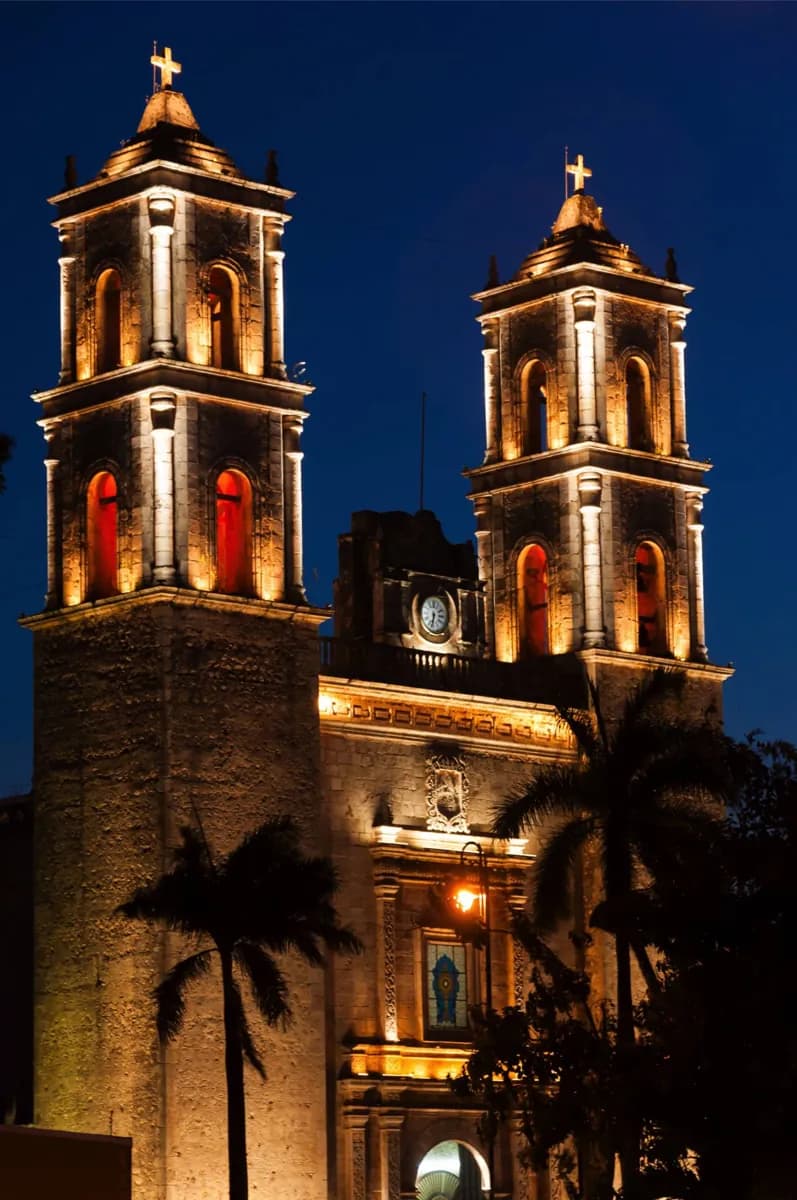
The story ties Xel-Há, Cozumel and the eastern peninsula to a campaign often remembered through later colonial towns farther west. Montejo initially landed near Xel-Há and posted soldiers at coastal settlements, but supplies failed and his troops could not hold them. His experience shows why a landing did not equal control.
The full story
After receiving royal authorization to colonize Yucatán, Francisco de Montejo sailed from Spain in 1527. His ships stopped at Cozumel, where the local ruler received him peacefully, then made landfall near Xel-Há in the Maya province of Ekab. Montejo left garrisons at Xel-Há and Pole and moved through northeastern towns demanding loyalty to the Spanish Crown. Food soon became scarce, and Spanish parties seized supplies from nearby Maya communities. Many residents fled, while others resisted. Fighting followed around Chauaca and Aké. When Montejo returned toward the coast, his remaining soldiers found that the Xel-Há garrison had been severely reduced and the post at Pole destroyed. The campaign later shifted toward Tabasco and the peninsula's western side, with Montejo's son and other commanders taking major roles. The east-coast episode shows a connected Maya landscape able to disrupt a Spanish foothold despite the invaders' ships and weapons.