
Why go
The voyage helps connect places such as Campeche and Champotón to the first sustained Spanish survey of the peninsula. Shallow coastal water kept ships away from shore, so water parties were exposed. Maya communities negotiated, warned or fought according to circumstances; the fleet returned to Cuba after serious losses.
The full story
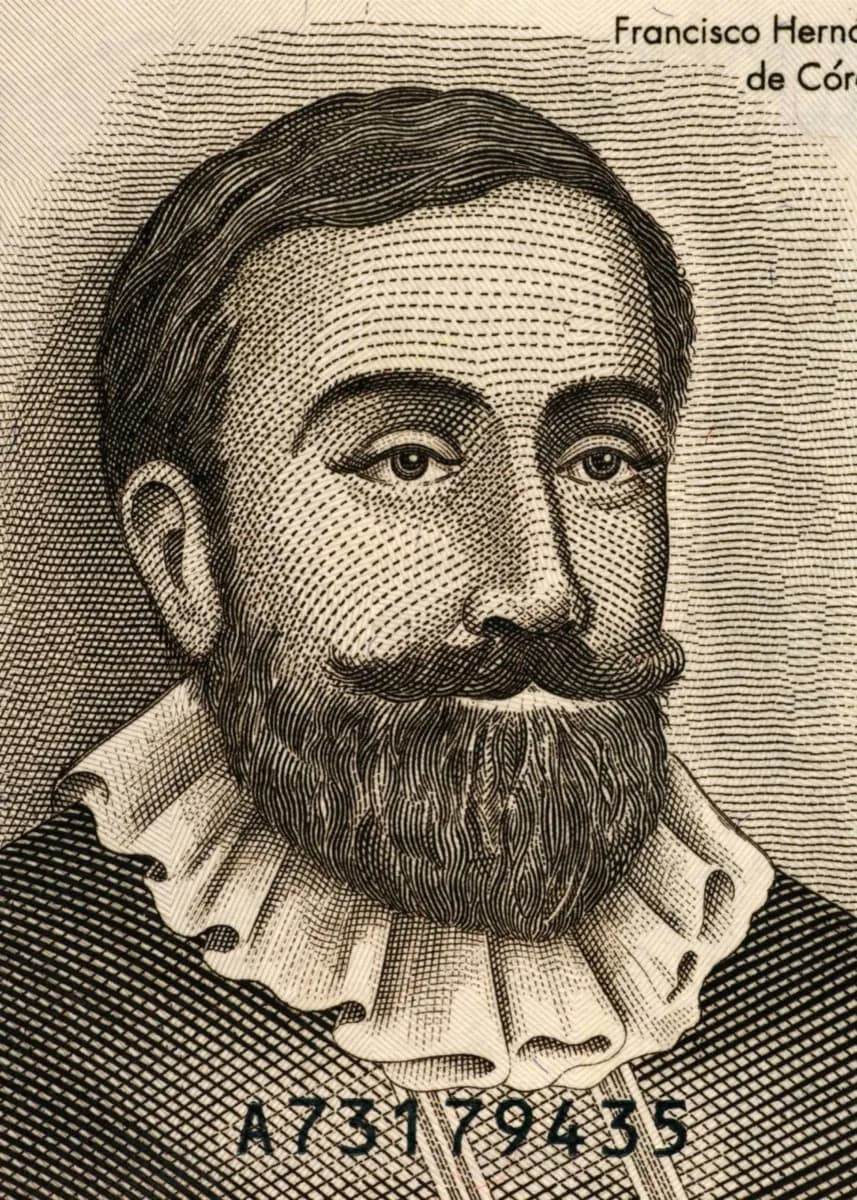
Francisco Hernández de Córdoba sailed from Cuba in 1517 with a small fleet seeking exploration and captives. After reaching the northeastern Yucatán coast, the ships had trouble approaching land through the shallows. Maya canoes came out to meet them, and early exchanges included gifts and gestures. As the fleet moved west and then south, its leaking water casks made freshwater the crew's urgent concern. At Campeche, a shore party filled casks at a pool while local people questioned its purpose. A warning by armed Maya prompted the Spanish to withdraw. Farther along the coast at Champotón, the expedition suffered heavy losses in battle and retreated to Cuba. Spanish reports from the voyage stirred further expeditions, but they should be read alongside the visible agency of coastal Maya communities. The trip was a sequence of negotiated encounters and reverses, not a straightforward occupation.