
Why go
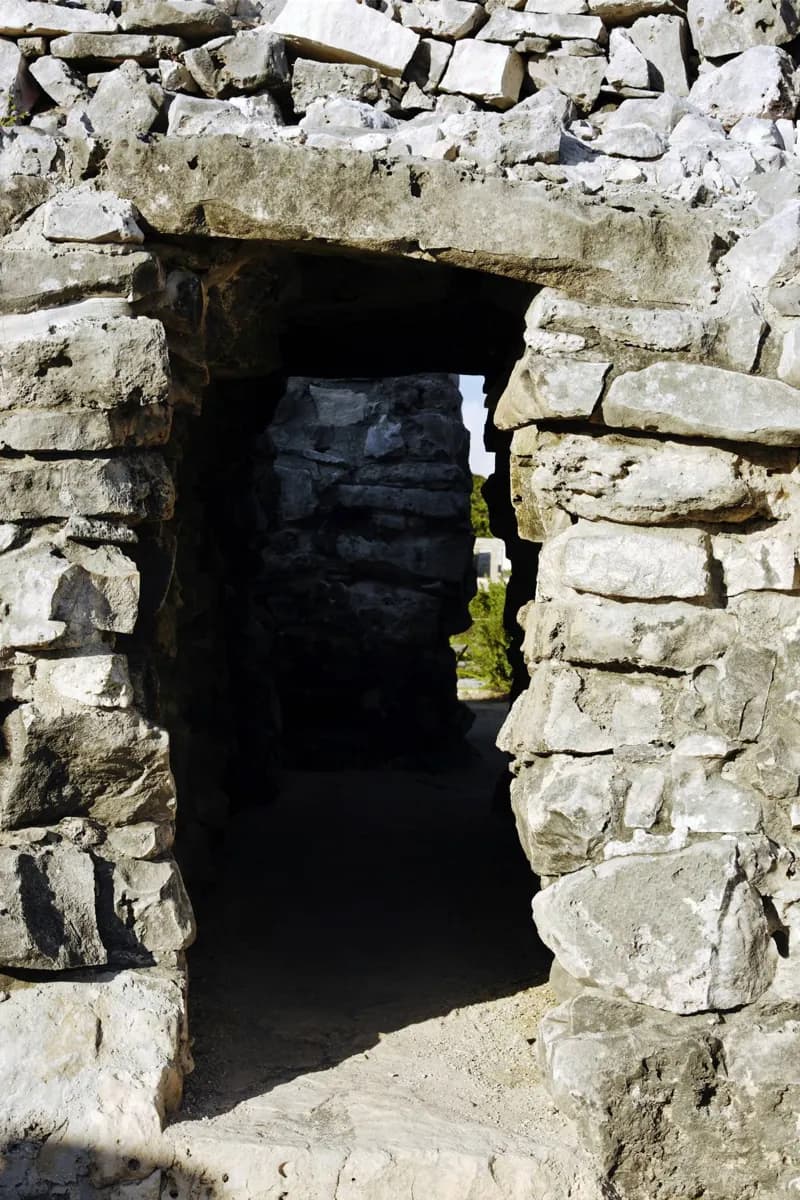
Tulum and other regional sites make more sense when seen as parts of a civilization that changed over centuries, rather than as remains of one lost empire. Maya cities combined political centers, residences and ceremonial buildings, while rulers, trade and rivalries connected places across the lowlands. Look for how each site uses its own terrain and layout.
The full story
Maya societies grew from early farming villages into cities with monumental buildings. By the Classic period, roughly beginning in AD 250, many city-states were linked through trade and political alliances. Tikal and Calakmul became powerful rivals in the lowlands. Political upheaval in the ninth century changed many central lowland cities, while northern centers gained importance in the Postclassic period. This was a shifting landscape of kingdoms, not a single state with one capital. City centers held palaces, pyramid-temples, ballcourts and buildings connected by causeways, with homes spreading beyond them. Maya scribes recorded history and ritual in hieroglyphic texts on stone, pottery and folded books; artists also worked in jade, wood, stucco and painted walls. Calendar systems and mathematics formed part of that intellectual tradition. When you visit a site, its carved monuments and street-like causeways can reveal political and everyday relationships that a single temple view cannot.