
Why go
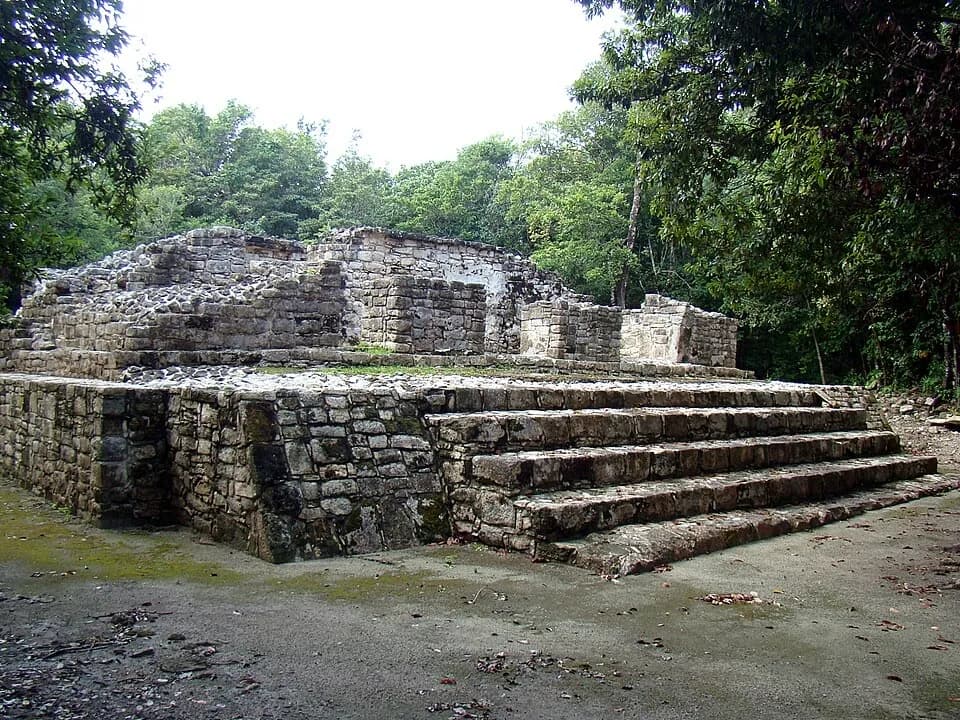
The Xelhá archaeological zone offers painted Maya buildings at a former coastal port, a different visit from the similarly named water park. Look closely at the Edificio de los Pájaros and Grupo Jaguar, where surviving images give the site its focus. Its link with inland Cobá also helps explain why this coastal settlement mattered.
What to look for
- The Edificio de los Pájaros preserves Maya mural painting.
- A feline painting survives in Grupo Jaguar.
- Xelhá was one of the coastal ports connected with inland Cobá.
The full story
Xelhá's inlet helped connect inland Cobá with travel along the coast. The settlement was part of a Maya landscape in which routes to the sea mattered as much as inland connections. Its painted buildings preserve another layer of that history: details in the Edificio de los Pájaros and Grupo Jaguar invite a close look instead of a quick pass through the ruins. The coast later became the setting for Francisco de Montejo's first Yucatán expedition. After landing near Xel-Há in 1527, his forces left a garrison here and another at Pole while moving through northeastern towns. Food shortages, flight and resistance undermined the campaign. By the time Montejo returned toward the coast, the Xel-Há garrison had been severely reduced. The site therefore speaks to both Maya coastal exchange and a failed early Spanish foothold.
Useful to know
- Navigate to the archaeological zone specifically; the similarly named water park is a separate destination.
- Give the painted structures time rather than treating Xelhá as only a stop on the way to another site.
Your next visit
Estimated · Declared scenario and planning estimates; no live opening, weather, queue or booking service.
Outdoor visit · 30–45 min
World planning estimate; admission, opening, visit duration and access need checking.