
The full story
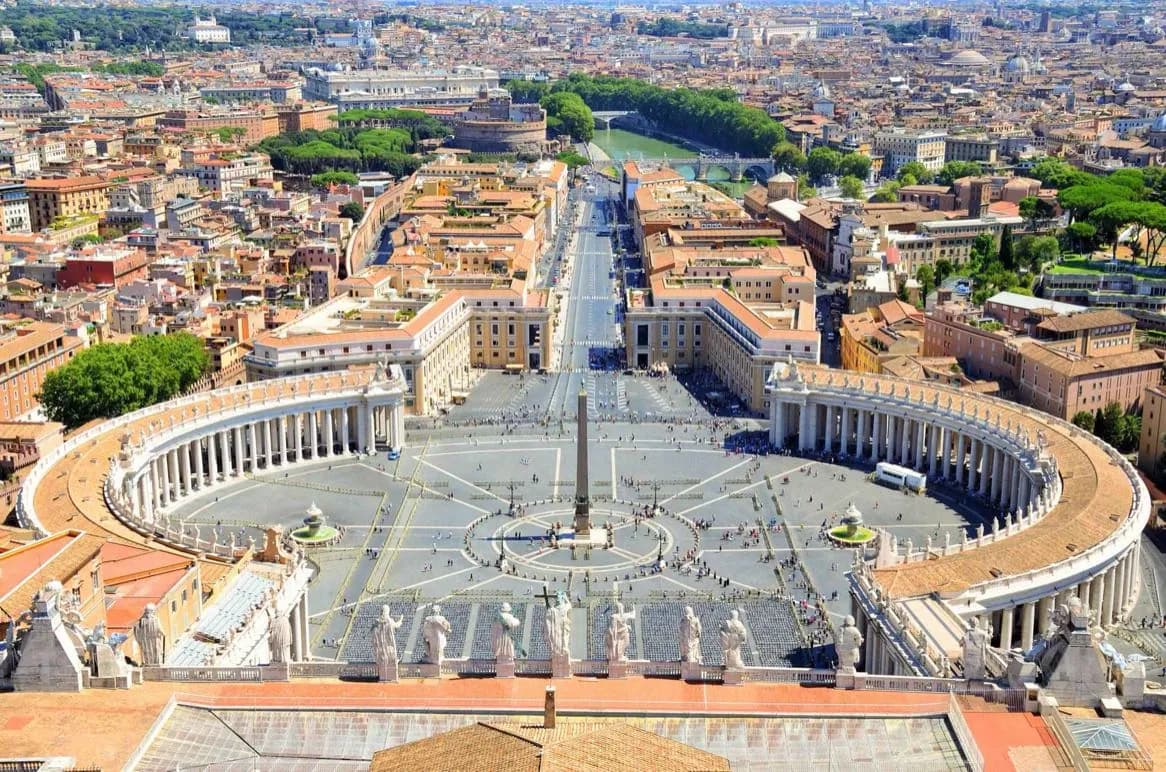
Rome’s visible history does not run in a straight line. Ancient structures were reused, medieval churches rose among ruins, and Renaissance popes reshaped the city for pilgrims and ceremony. Later, the unified Italian state added new boulevards, ministries and civic symbols. When choosing monuments, combine periods deliberately: an imperial site in the morning and a papal or Baroque district later makes the city’s continuity clearer than several similar stops in a row. For practical planning, treat A short history of Rome as part of a wider Rome day rather than an isolated checklist item. Pair the ideas here with the nearby places already named, allow time for walking and breaks, and keep the plan flexible around heat, crowds, and access changes. That pace leaves space to read the streets and neighbourhoods connecting the larger sights. It is often in those transitions that Rome’s layers become clearest.