
The full story
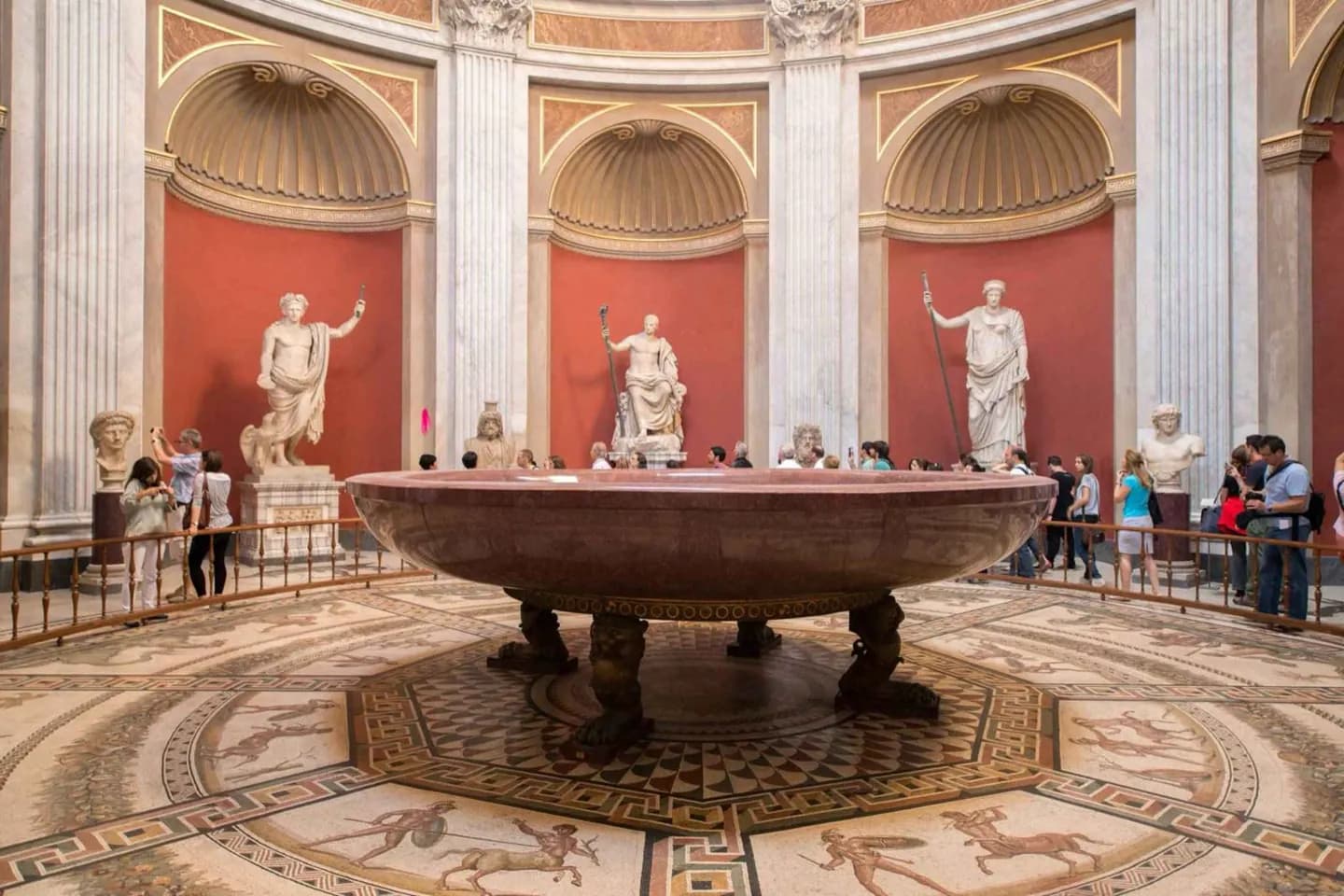
The city’s art is inseparable from its patronage and architecture. Ancient works survive in museums and archaeological sites; Renaissance popes commissioned transformative projects; Baroque artists turned chapels, bridges and piazzas into theatrical settings. Choose a focused sequence rather than trying to cover every period. The Capitoline Museums and Roman Forum make a strong ancient pairing, while the Vatican Museums, St Peter’s and Piazza Navona show how later art reshaped Rome’s public and sacred spaces. For practical planning, treat Art in Rome as part of a wider Rome day rather than an isolated checklist item. Pair the ideas here with the nearby places already named, allow time for walking and breaks, and keep the plan flexible around heat, crowds, and access changes. That pace leaves space to read the streets and neighbourhoods connecting the larger sights. It is often in those transitions that Rome’s layers become clearest.