
The full story
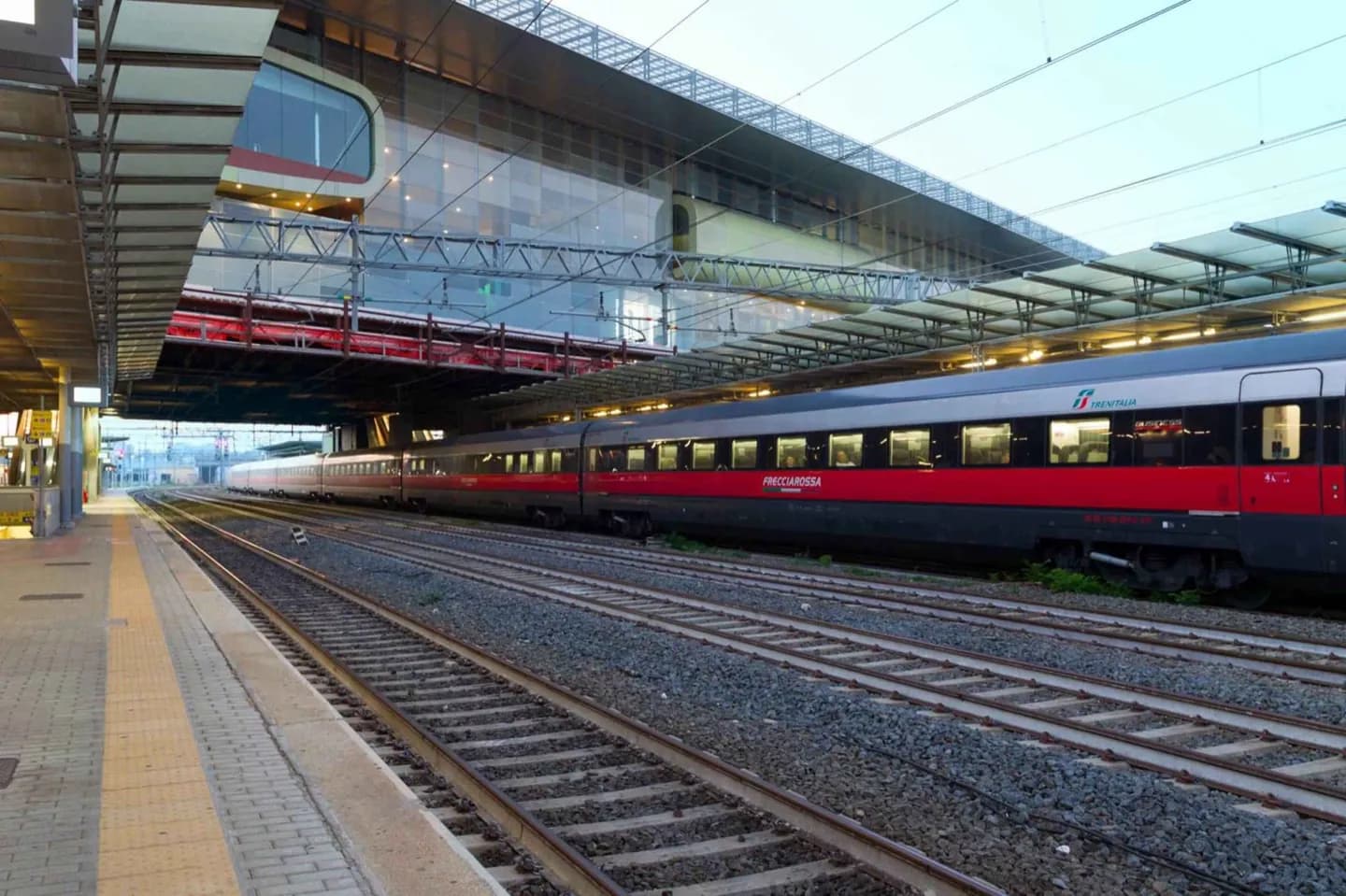
Many major sights cluster closely enough to walk, but Rome’s scale quickly changes beyond the centre. Termini is the key rail hub, while the metro is useful for longer jumps; buses and trams fill gaps where rail lines do not reach. Keep walking routes local: Forum to Capitoline, Pantheon to Navona, or Vatican to Castel Sant’Angelo. Use transit for separate clusters such as Villa Borghese, the Appian Way or EUR, and allow extra time where traffic or uneven paving slows the journey. For practical planning, treat Getting around Rome as part of a wider Rome day rather than an isolated checklist item. Pair the ideas here with the nearby places already named, allow time for walking and breaks, and keep the plan flexible around heat, crowds, and access changes. That pace leaves space to read the streets and neighbourhoods connecting the larger sights. It is often in those transitions that Rome’s layers become clearest.