
The full story
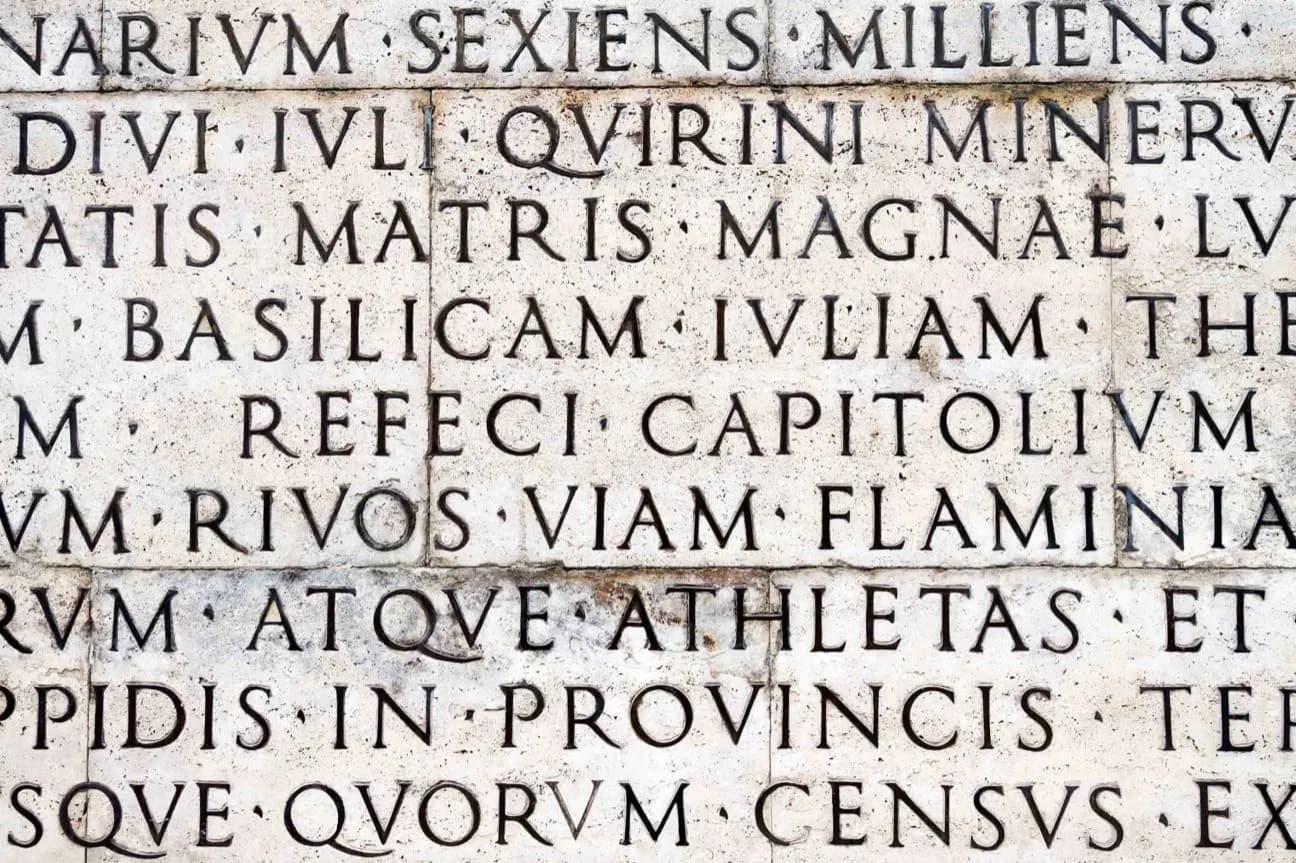
Rome was multilingual even in antiquity, but Latin became its most enduring linguistic legacy. Its inscriptions remain part of the streetscape, especially around forums, arches and churches. Modern Rome speaks Italian, with Romanesco still colouring local speech and humour. Use language as a way of looking more closely. Read the inscriptions on monuments, notice Latin in church settings, and learn a few Italian basics for everyday exchanges. It turns a walk through the historic centre into a more legible experience. For practical planning, treat Language in Rome as part of a wider Rome day rather than an isolated checklist item. Pair the ideas here with the nearby places already named, allow time for walking and breaks, and keep the plan flexible around heat, crowds, and access changes. That pace leaves space to read the streets and neighbourhoods connecting the larger sights. It is often in those transitions that Rome’s layers become clearest.