
The full story
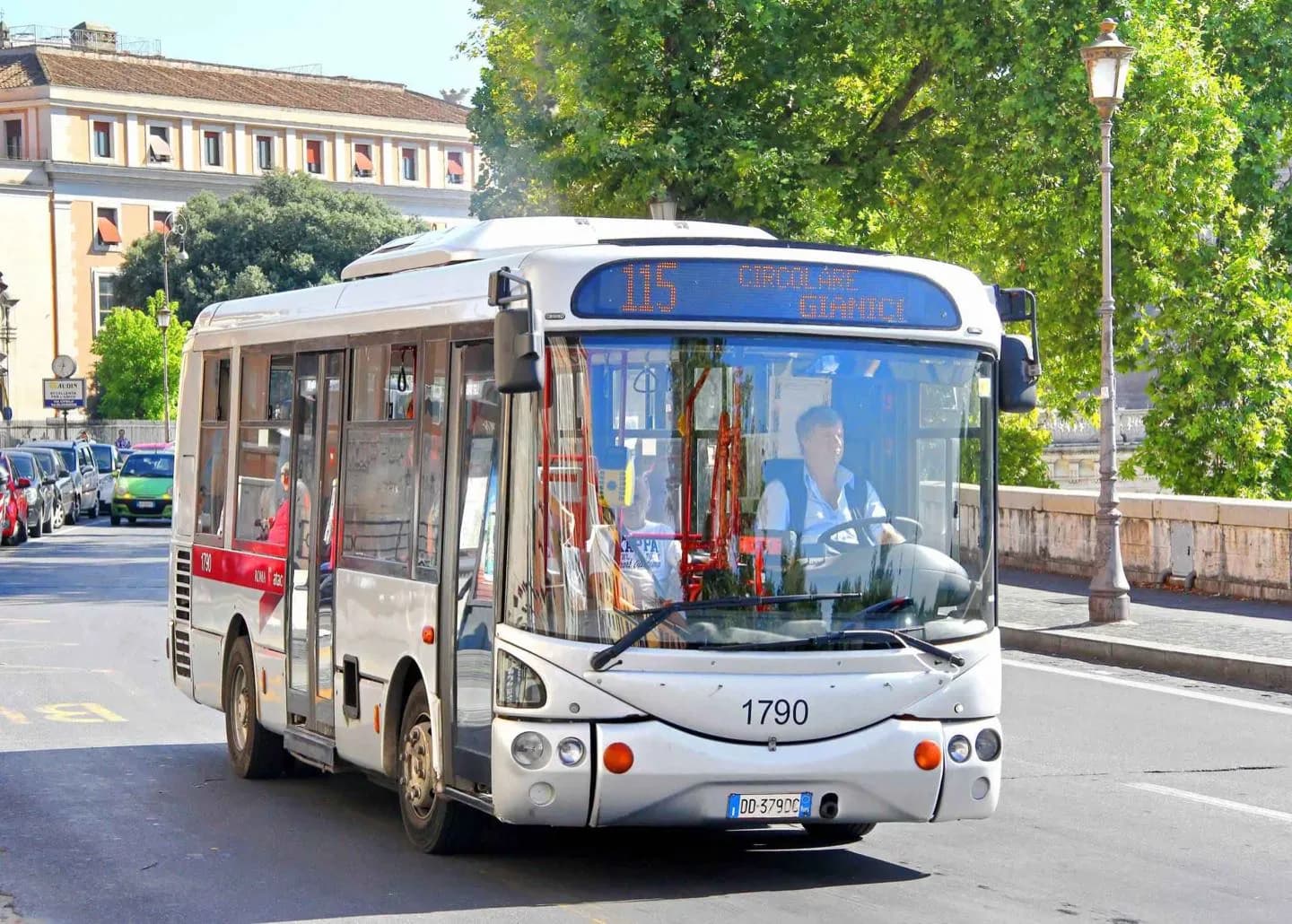
Rome’s most rewarding routes are often on foot, but the city’s major sights are distributed across hills, the Tiber and distant neighbourhoods. The metro, buses, trams and rail services help connect clusters that are too far apart for a pleasant walk. Avoid zigzagging. Keep one day within the ancient centre, another around the Vatican and river, and use transport for the Appian Way, Villa Borghese or EUR. For practical planning, treat Moving around Rome as part of a wider Rome day rather than an isolated checklist item. Pair the ideas here with the nearby places already named, allow time for walking and breaks, and keep the plan flexible around heat, crowds, and access changes. That pace leaves space to read the streets and neighbourhoods connecting the larger sights. It is often in those transitions that Rome’s layers become clearest.