
The full story
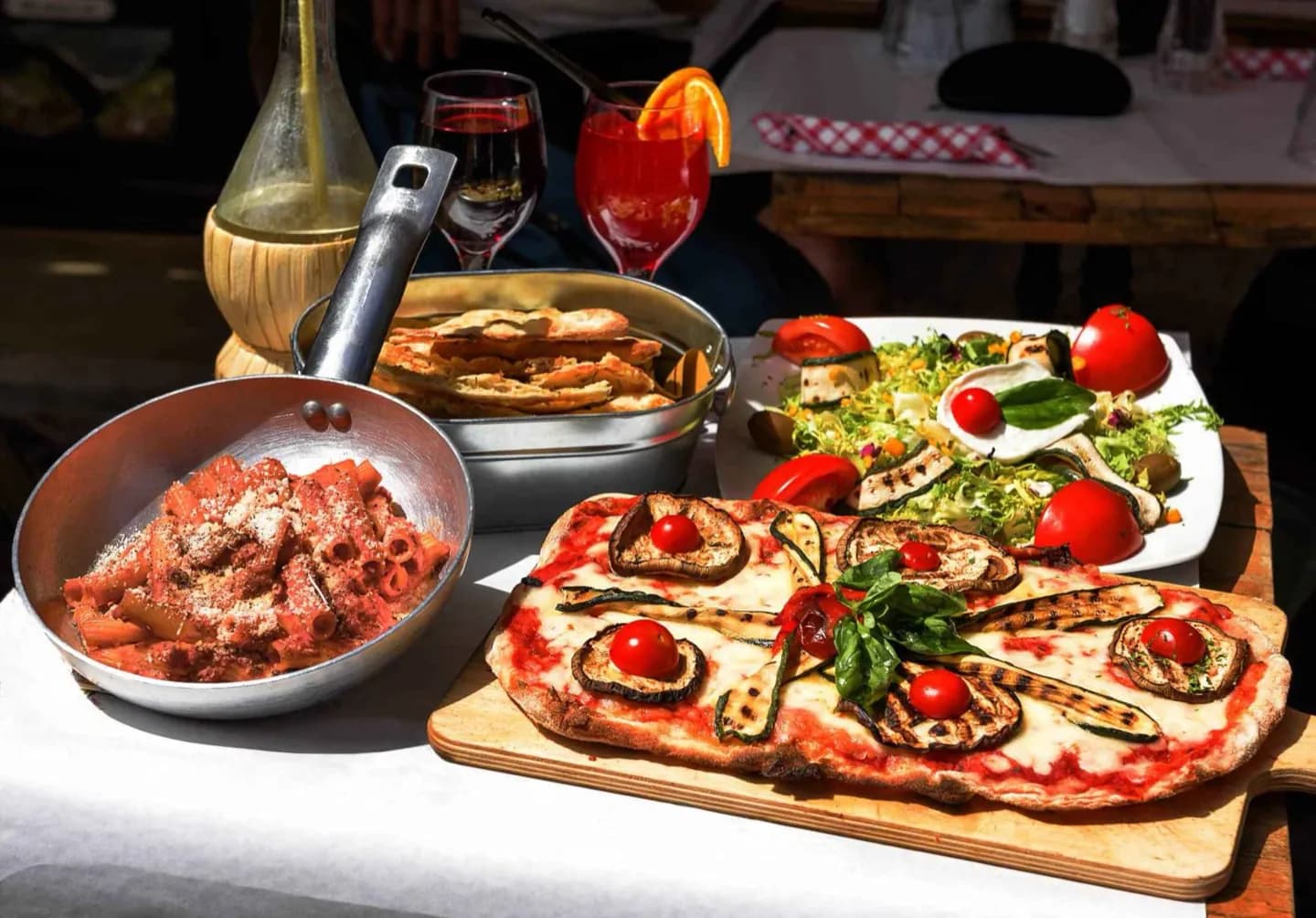
Rome’s cuisine developed through ancient, papal and working-class traditions, with neighbourhoods such as Testaccio closely associated with its practical, ingredient-led dishes. The city is best approached through a few well-chosen meals rather than an attempt to sample every classic. Use Campo de’ Fiori or Testaccio to connect food with place: a market walk gives useful context, while a meal in a neighbourhood beyond the busiest monuments lets Roman cooking be the main event rather than a stop between attractions. For practical planning, treat Roman cuisine as part of a wider Rome day rather than an isolated checklist item. Pair the ideas here with the nearby places already named, allow time for walking and breaks, and keep the plan flexible around heat, crowds, and access changes. That pace leaves space to read the streets and neighbourhoods connecting the larger sights. It is often in those transitions that Rome’s layers become clearest.