
The full story
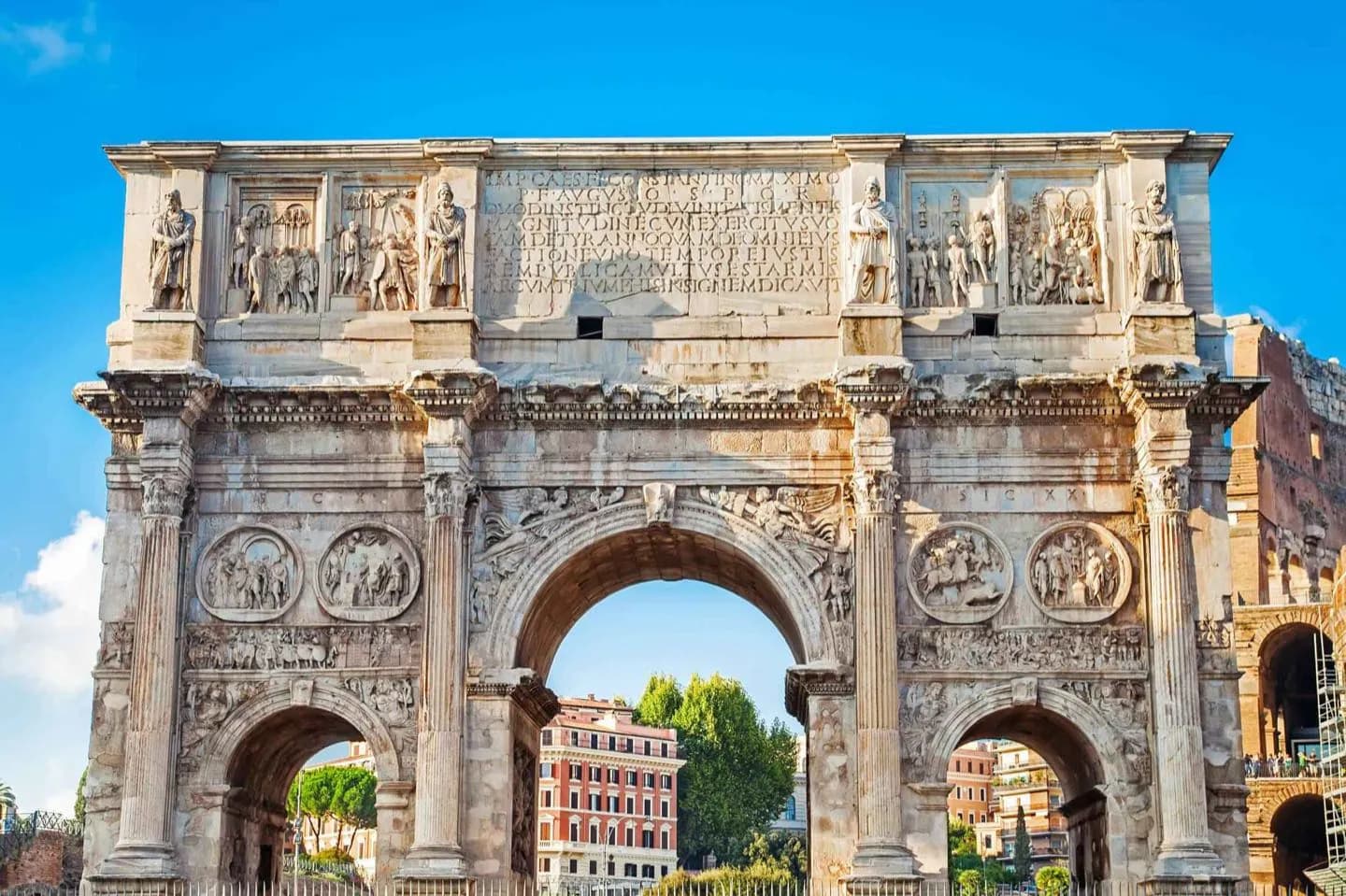
Rome’s cityscape is defined by layers rather than one style. The Forum and Pantheon preserve Roman engineering; medieval structures often reuse ancient fabric; Renaissance and Baroque projects recast streets and squares; EUR offers a sharply different twentieth-century vision. Look at buildings in context. The Capitoline combines Roman foundations with Michelangelo’s square, while Castel Sant’Angelo turns a mausoleum into a fortress. These transitions are more revealing than treating each style as a separate chapter. For practical planning, treat Rome’s architecture as part of a wider Rome day rather than an isolated checklist item. Pair the ideas here with the nearby places already named, allow time for walking and breaks, and keep the plan flexible around heat, crowds, and access changes. That pace leaves space to read the streets and neighbourhoods connecting the larger sights. It is often in those transitions that Rome’s layers become clearest.