
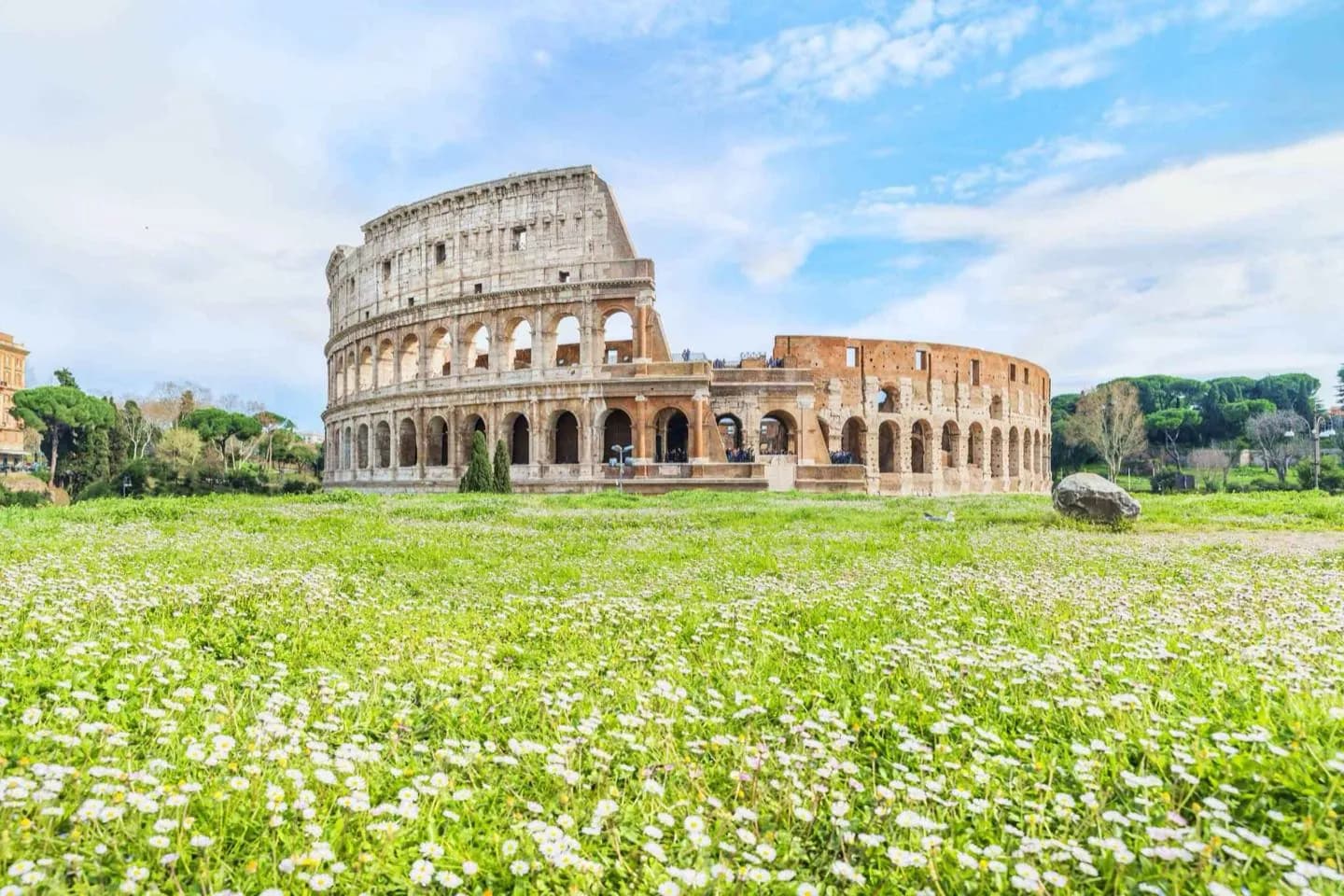
The full story
Rome developed beside the Tiber, with its historic core spread across and between the famous hills. The river, steep approaches to sites such as the Capitoline and Palatine, and long exposed archaeological walks all shape the practical experience. In warm weather, begin open-air ruins early and use churches or museums as the middle-of-day anchor. Keep water and shoes suited to uneven stone; save a hilltop viewpoint or riverside walk for later light. For practical planning, treat Rome’s geography and climate as part of a wider Rome day rather than an isolated checklist item. Pair the ideas here with the nearby places already named, allow time for walking and breaks, and keep the plan flexible around heat, crowds, and access changes. That pace leaves space to read the streets and neighbourhoods connecting the larger sights. It is often in those transitions that Rome’s layers become clearest.