
The full story
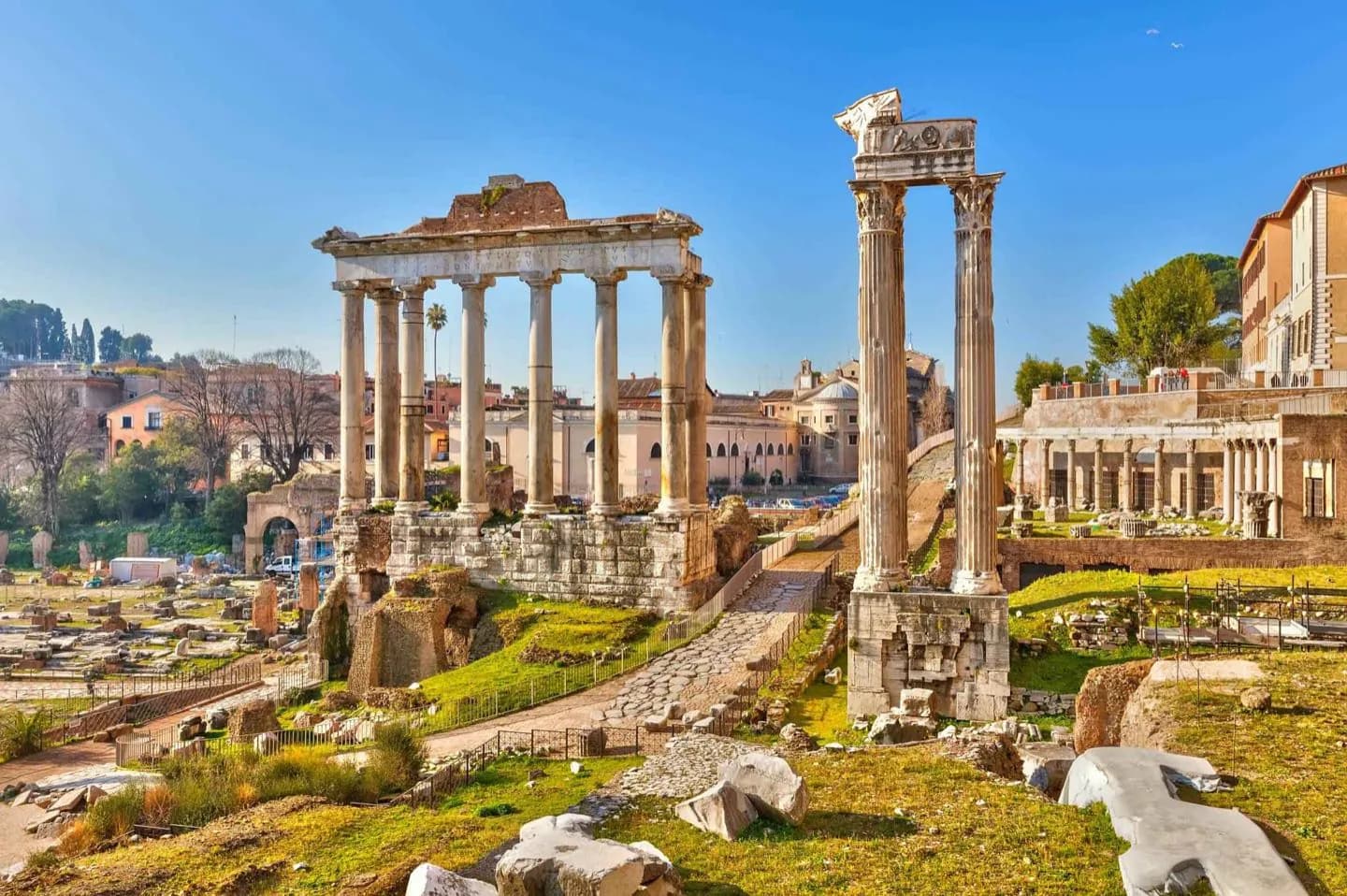
The city grew from settlements on the Tiber hills into the capital of a republic and empire, then became a centre of Christian pilgrimage and papal power. Renaissance and Baroque rebuilding inserted churches, palaces and piazzas into the older fabric; after 1870, Rome became the capital of unified Italy. Look for these layers in close succession. At the Capitoline, ancient political ground meets Michelangelo’s civic square; at Castel Sant’Angelo, Hadrian’s mausoleum became a papal fortress. That compression is the key to making sense of the city. For practical planning, treat Rome’s history in the streets as part of a wider Rome day rather than an isolated checklist item. Pair the ideas here with the nearby places already named, allow time for walking and breaks, and keep the plan flexible around heat, crowds, and access changes. That pace leaves space to read the streets and neighbourhoods connecting the larger sights. It is often in those transitions that Rome’s layers become clearest.