
Why go
A visit compresses several regimes into one building: popes developed the palace from the late sixteenth century, kings used it after Italian unification, and the republic retained it as a seat of state. Ceremonial rooms, collections and gardens make that succession visible.
What to look for
- The palace faces Piazza del Quirinale, where the Dioscuri and their horses evoke the hill’s ancient past.
- Successive architects expanded the papal residence into a large complex of courtyards, state rooms and gardens.
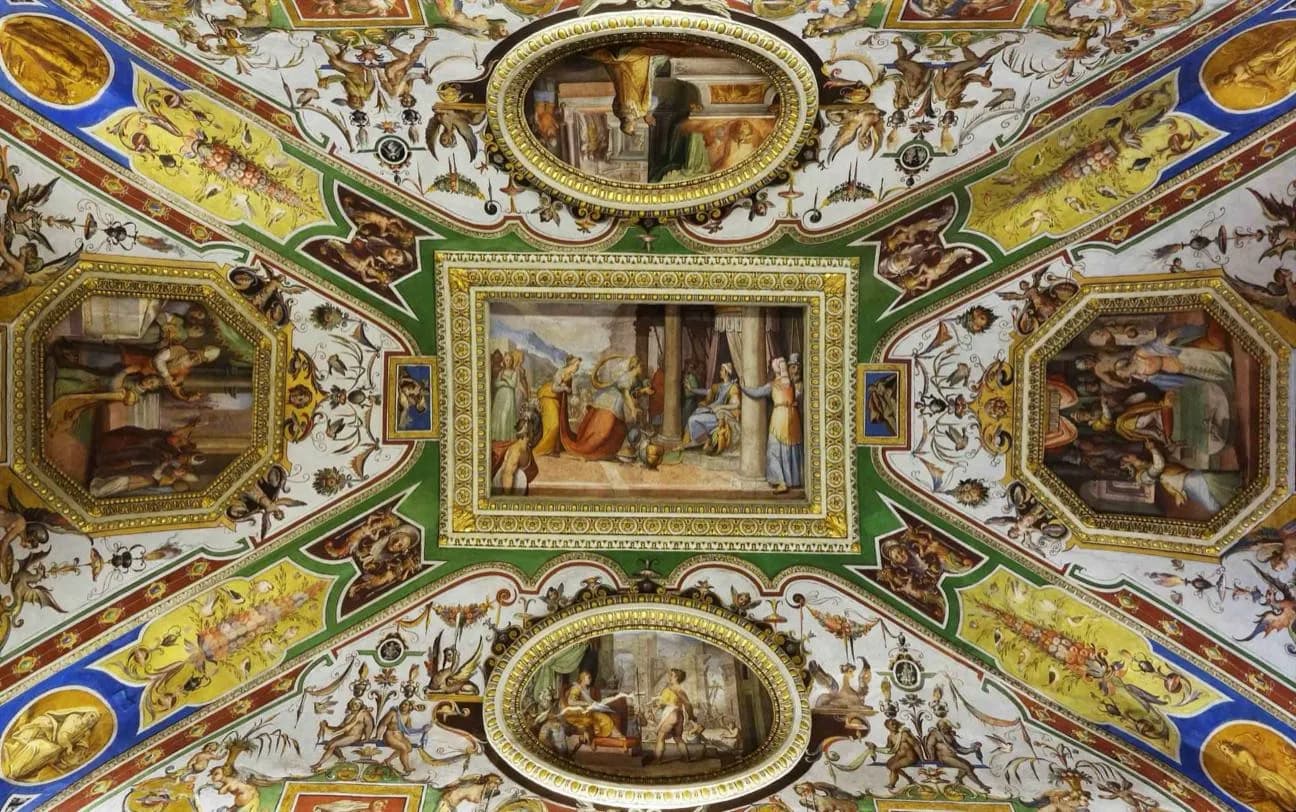
- Official interiors preserve the ceremonial language of papal, royal and republican government.
Useful to know
- Entry is controlled and tour-based; consult the palace’s official visitor information before fixing the rest of the day.
- Security procedures require extra time, and the visit pairs well with the nearby Trevi and Barberini areas.
Your next visit
Estimated · Declared scenario and planning estimates; no live opening, weather, queue or booking service.
Outdoor visit · 30–45 min
World planning estimate; admission, opening, visit duration and access need checking.