
Why go
Testaccio connects ancient logistics with modern working-class Rome. Oil containers unloaded near the Tiber accumulated into the neighborhood’s defining mound; later, the slaughterhouse sustained a culture of butchers and economical offal cooking. Markets, industrial buildings and archaeological fragments keep those histories close together.
What to look for
- See Monte Testaccio as organized Roman waste infrastructure, not a natural hill.
- Walk around the former Mattatoio to trace the district’s slaughterhouse era and later cultural reuse.
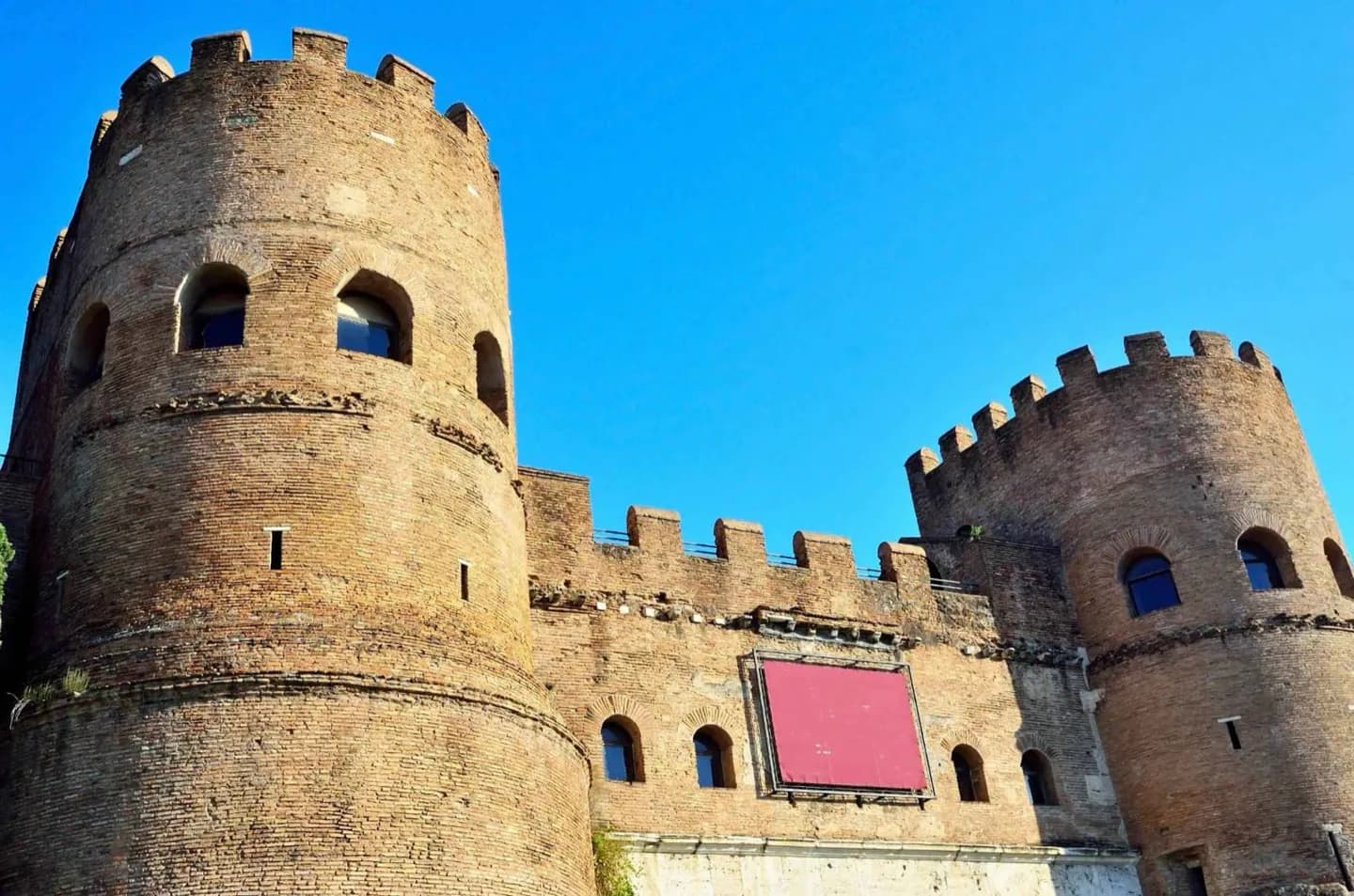
- At Porta San Paolo, connect the neighborhood with the Pyramid of Cestius and Aurelian Walls.
Useful to know
- Allow two hours for a circuit linking the market, Monte Testaccio exterior, Mattatoio and Porta San Paolo.
- The mound and interior archaeological spaces require specific access; confirm arrangements before relying on entry.
- Come with named stops because the rione’s value lies in connections across several blocks.
Your next visit
Estimated · Declared scenario and planning estimates; no live opening, weather, queue or booking service.
Outdoor visit · 30–45 min
World planning estimate; admission, opening, visit duration and access need checking.