
Why go
A dry-season visit makes Cerro Santa Lucía, Parque Forestal and other outdoor stops easier to combine, though hot afternoons can change the pace. In winter, plan room for rain and colder mornings, and keep an indoor museum option near your chosen district.
The full story
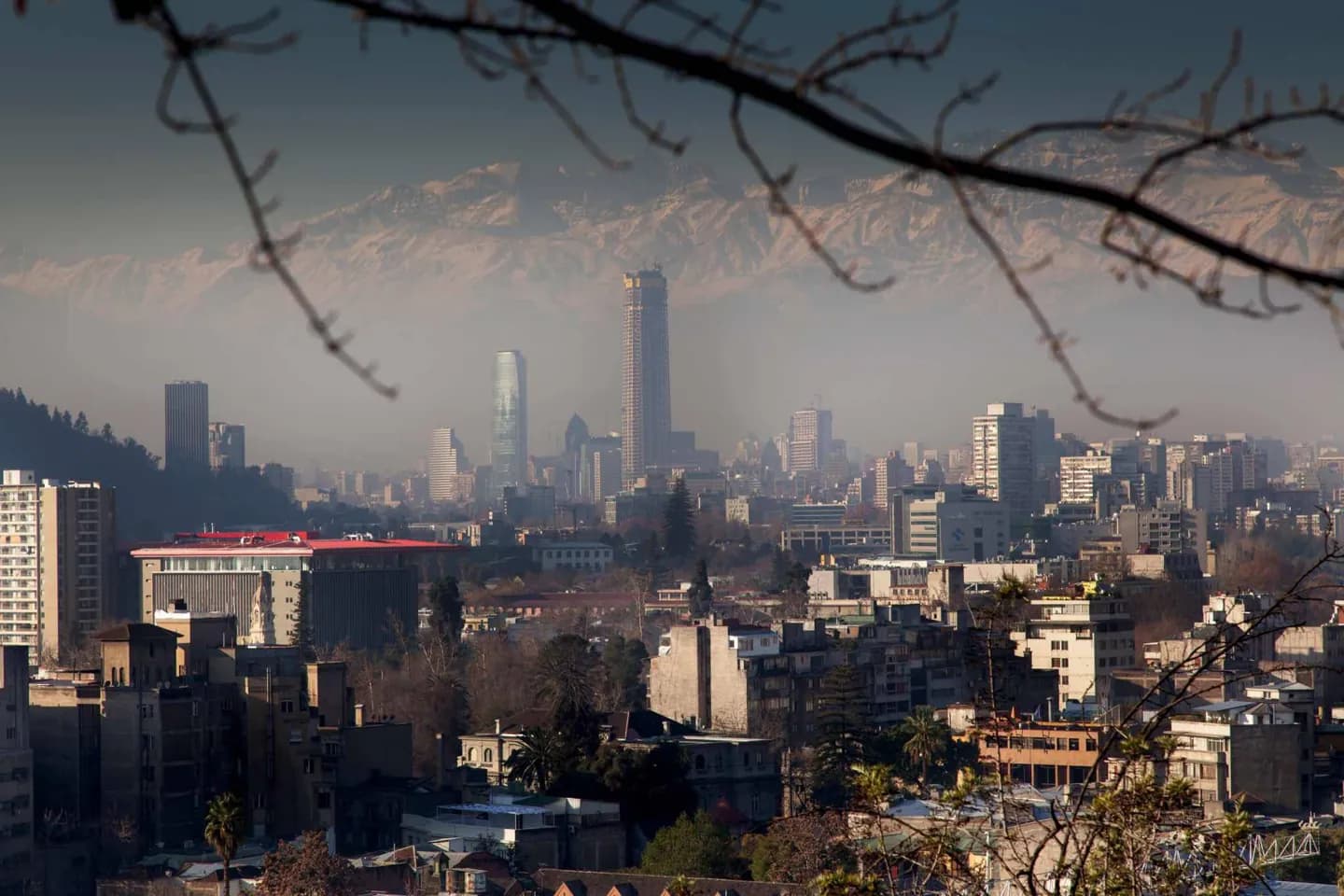
Santiago’s basin has a strong seasonal contrast. The legacy climate account describes dry summers from roughly November to March and a wetter period concentrated between May and September. Summer heat can be significant on exposed streets and hill paths. Winter mornings are much cooler, and rain usually falls in the city rather than snow; snow is associated mainly with the Andes and nearby foothills. Rainfall varies greatly from year to year, so an old annual average is a poor forecast for a particular trip. The basin can also hold winter haze, changing how clearly the Andes appear from viewpoints. For a day centered on Cerro Santa Lucía or Cerro San Cristóbal, check the local forecast and visibility before committing to the climb. Parque Forestal and the central plazas offer less shelter in bad weather; the nearby museum cluster gives a practical alternative. In summer, separate a long exposed walk from time inside a museum or cultural center. This seasonal choice affects the order of stops more than the city’s broad list of sights.
Useful to know
- Check the day’s forecast and visibility before choosing a hill viewpoint.
- Keep a nearby museum option for rainy winter days.
- Break up exposed summer walks with indoor stops.