
Why go
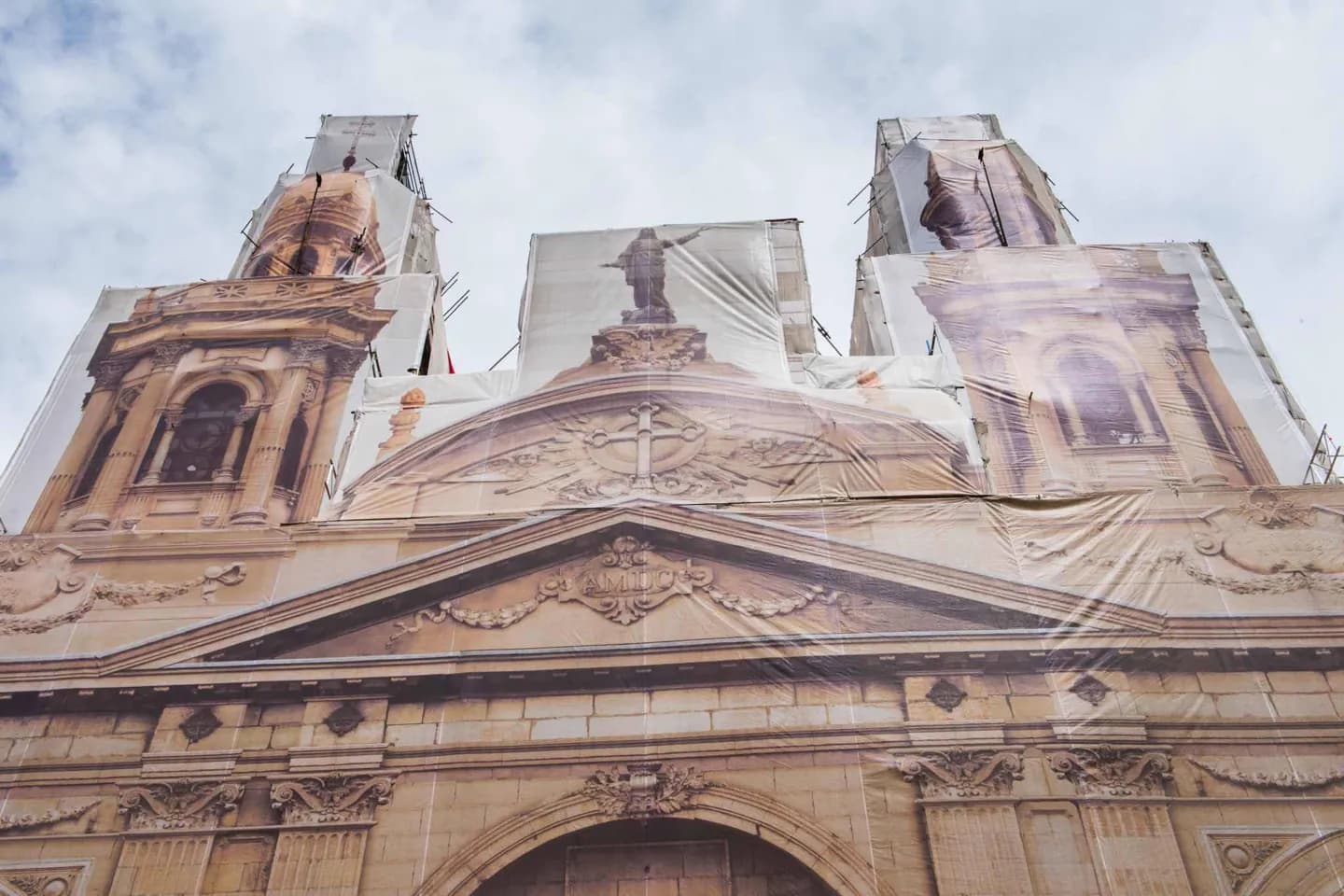
The cathedral’s neoclassical form and central nave give the founding square an interior dimension. Its successive rebuilding after earthquakes also makes the building a reminder that Santiago’s religious landmarks were repeatedly remade rather than preserved unchanged from the colonial period.
What to look for
- The cathedral’s facade fronts Plaza de Armas.
- The central nave reveals the scale of the archbishop’s church.
- Its current form incorporates late nineteenth-century alterations.
The full story
The cathedral is the seat of Santiago’s archbishop and stands directly on the city’s founding square. Earlier cathedral buildings were damaged or destroyed by earthquakes, a recurring force in the city’s architectural history. Construction of the present neoclassical church began in 1748 and continued into the turn of the nineteenth century. Later alterations gave it much of the appearance visible today. That layered timeline is useful inside: the building is neither a single untouched colonial survivor nor merely a facade on Plaza de Armas. It is a working church that has adapted across generations. Compare the exterior with the other civic buildings around the square, then step into the nave when religious activity and visitor access allow. The working religious setting changes the pace and tone of an interior visit.
Useful to know
- Check the cathedral’s own visitor information before planning an interior stop.
- If a liturgy is underway, keep the visit respectful and return later for sightseeing if needed.
Your next visit
Estimated · Declared scenario and planning estimates; no live opening, weather, queue or booking service.
Outdoor visit · 30–45 min
World planning estimate; admission, opening, visit duration and access need checking.