
Why go
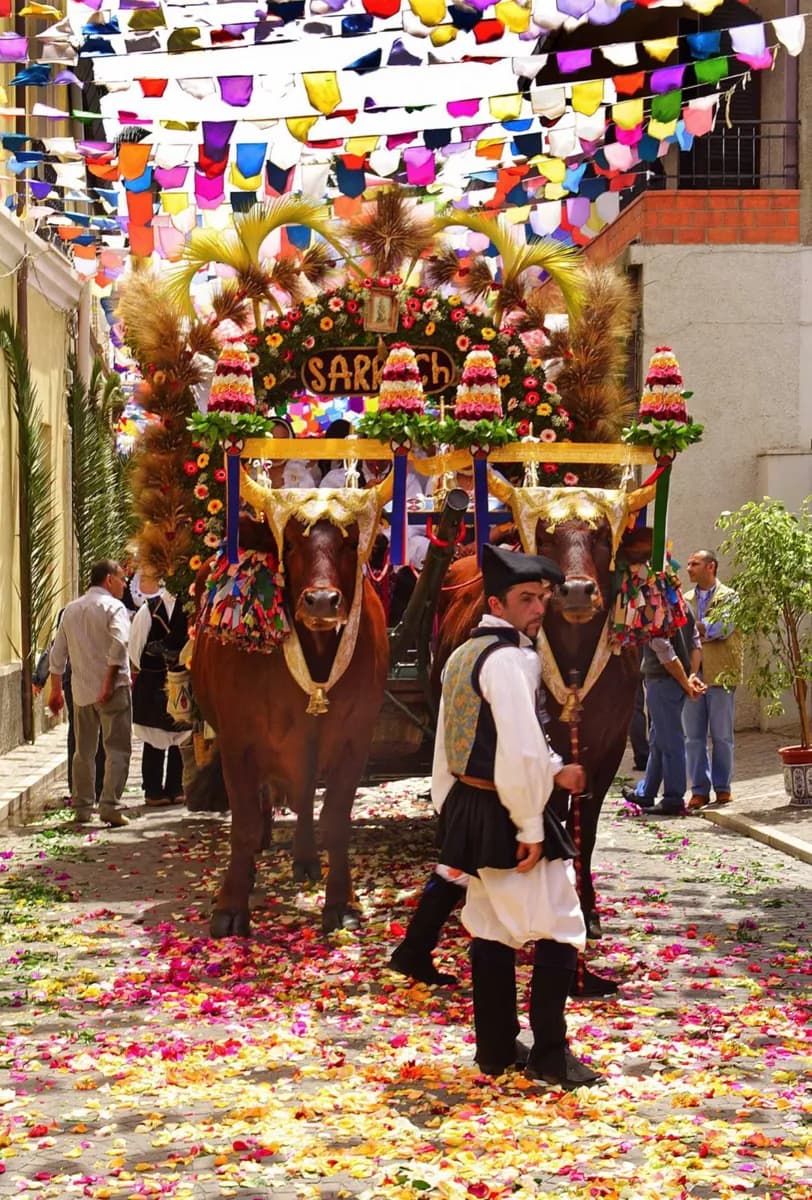
Cagliari's culture is easier to read through districts than through a single monument. Castello preserves institutions and defensive architecture; Marina reflects the port; Stampace is tied to Sant'Efisio, whose May procession begins here. In Cagliari, this culture context changes how Cagliari's principal landmarks and its surrounding landscape fit together.
The full story
Cagliari's culture is easier to read through districts than through a single monument. Castello preserves institutions and defensive architecture; Marina reflects the port; Stampace is tied to Sant'Efisio, whose May procession begins here. Sardinian and Italian identities coexist in food, language and ritual, while the salt lagoons keep the city visibly connected to its environment. For visitors, the useful approach is to connect a museum or ritual with the streets and communities that sustain it. In Cagliari, public traditions still carry local memory, while food, language and craft vary from other parts of Sardinia. Attend as a guest, leave working spaces unobstructed and avoid treating living customs as costume alone. Keep the comparison grounded in Cagliari: notice how materials, routes and the surrounding terrain shape what survives. That approach preserves the useful legacy context without turning a visit into a list of names or dates.