
Why go
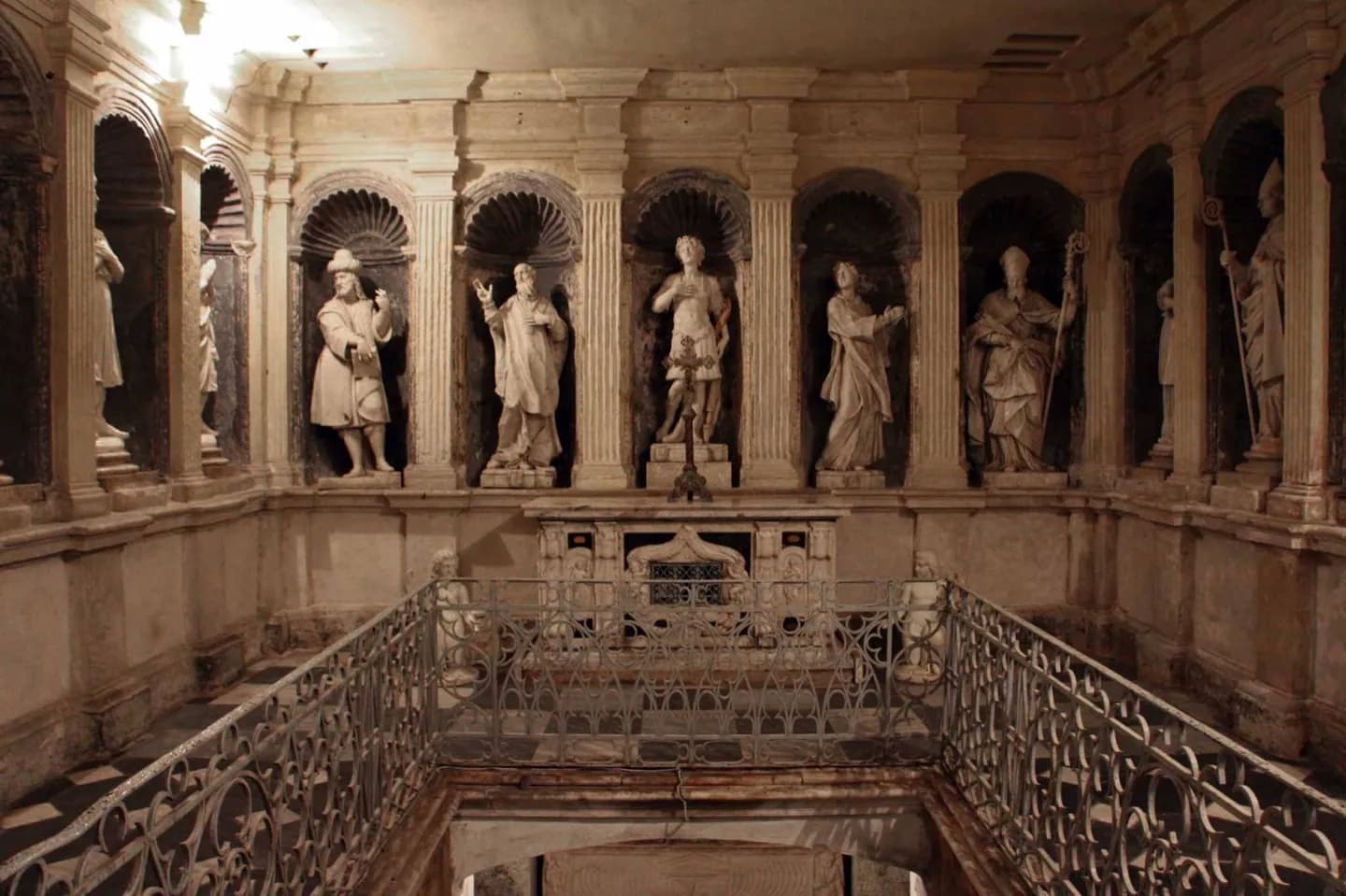
Porto Torres' identity joins port work, Roman inheritance and devotion to San Gavino. The basilica and its festival connect the present town with early Christian traditions, while fishing and ferry traffic keep the waterfront outward-looking. In Porto Torres, this culture context changes how Porto Torres's principal landmarks and its surrounding landscape fit together.
The full story
Porto Torres' identity joins port work, Roman inheritance and devotion to San Gavino. The basilica and its festival connect the present town with early Christian traditions, while fishing and ferry traffic keep the waterfront outward-looking. The archaeological museum is essential for turning scattered ruins into a coherent story. For visitors, the useful approach is to connect a museum or ritual with the streets and communities that sustain it. In Porto Torres, public traditions still carry local memory, while food, language and craft vary from other parts of Sardinia. Attend as a guest, leave working spaces unobstructed and avoid treating living customs as costume alone. Keep the comparison grounded in Porto Torres: notice how materials, routes and the surrounding terrain shape what survives. That approach preserves the useful legacy context without turning a visit into a list of names or dates.