
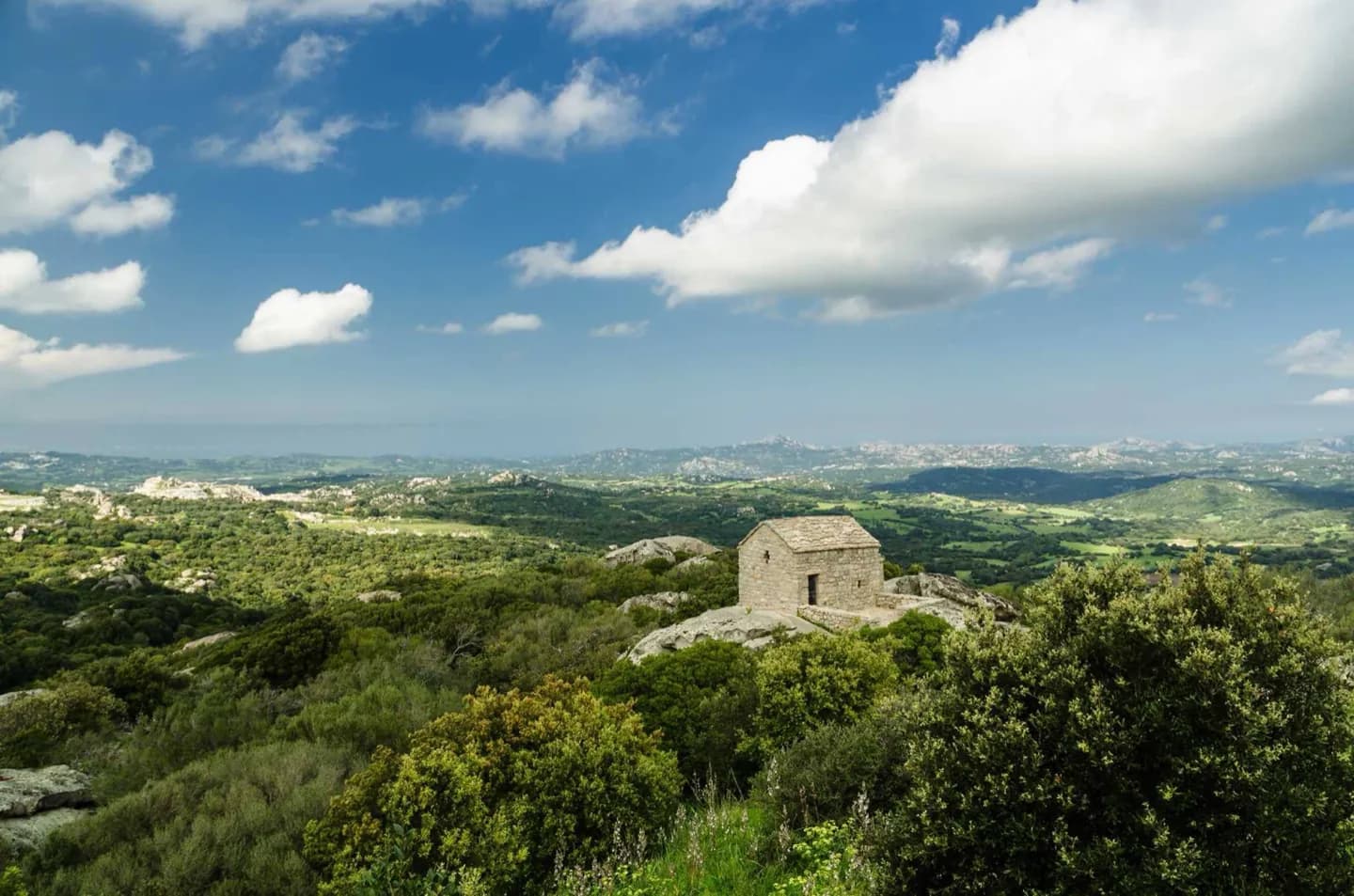
Why go
Olbia's sheltered gulf attracted Phoenician, Greek and Punic contact before the Roman town became an important port. Archaeological finds include ships destroyed in late antiquity and remains around the harbour. In Olbia, this history context changes how Olbia's principal landmarks and its surrounding landscape fit together.
The full story
Olbia's sheltered gulf attracted Phoenician, Greek and Punic contact before the Roman town became an important port. Archaeological finds include ships destroyed in late antiquity and remains around the harbour. Medieval Civita grew near San Simplicio, while modern transport and tourism expanded the city far beyond that earlier core. Read the surviving buildings and street pattern in sequence rather than as isolated monuments. In Olbia, changes in power are often clearest where religious buildings, defensive works and routes toward the port or countryside meet. Museums can supply the missing objects, but the landscape explains why settlement gathered here. Keep the comparison grounded in Olbia: notice how materials, routes and the surrounding terrain shape what survives. That approach preserves the useful legacy context without turning a visit into a list of names or dates.