
Why go
Oristano rose after inhabitants moved inland from declining Tharros. It became the capital of the Judicate of Arborea, the last major Sardinian polity to resist Aragonese expansion. In Oristano, this history context changes how Oristano's principal landmarks and its surrounding landscape fit together.
The full story
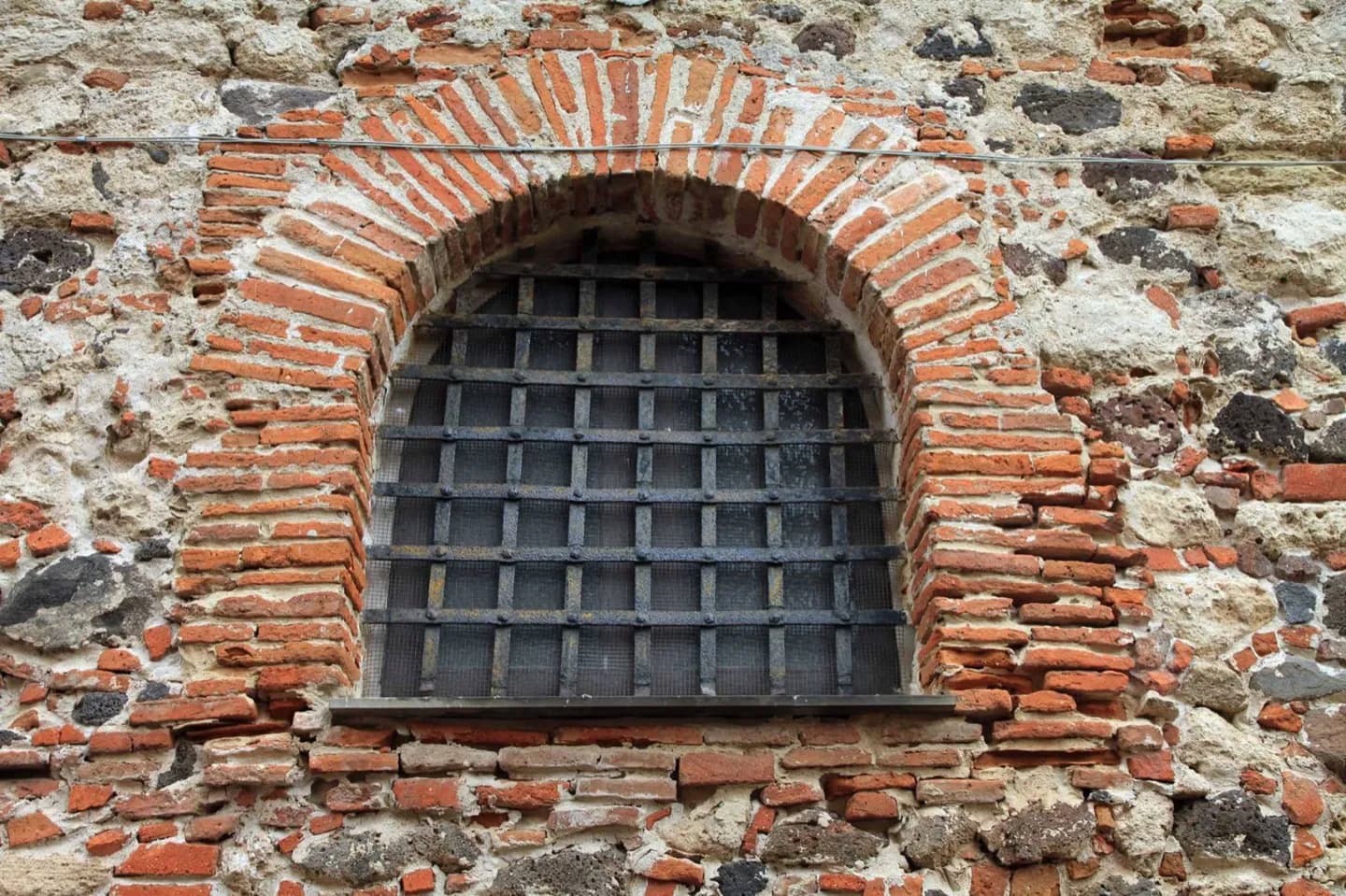
Oristano rose after inhabitants moved inland from declining Tharros. It became the capital of the Judicate of Arborea, the last major Sardinian polity to resist Aragonese expansion. Eleonora of Arborea and the Carta de Logu remain central to civic memory. Towers and church fabric preserve fragments of the medieval city within later streets. Read the surviving buildings and street pattern in sequence rather than as isolated monuments. In Oristano, changes in power are often clearest where religious buildings, defensive works and routes toward the port or countryside meet. Museums can supply the missing objects, but the landscape explains why settlement gathered here. Keep the comparison grounded in Oristano: notice how materials, routes and the surrounding terrain shape what survives. That approach preserves the useful legacy context without turning a visit into a list of names or dates.