
Why go
Good preparation keeps the island's beaches, mountains and archaeological sites enjoyable. Check weather and sea conditions, carry water beyond towns, leave nothing visible in parked cars and avoid committing to unsigned mountain routes without navigation. For Sardinia, this safety context helps decide what deserves time, which Sardinia stops belong together and which Sardinia details would otherwise pass without explanation.
The full story
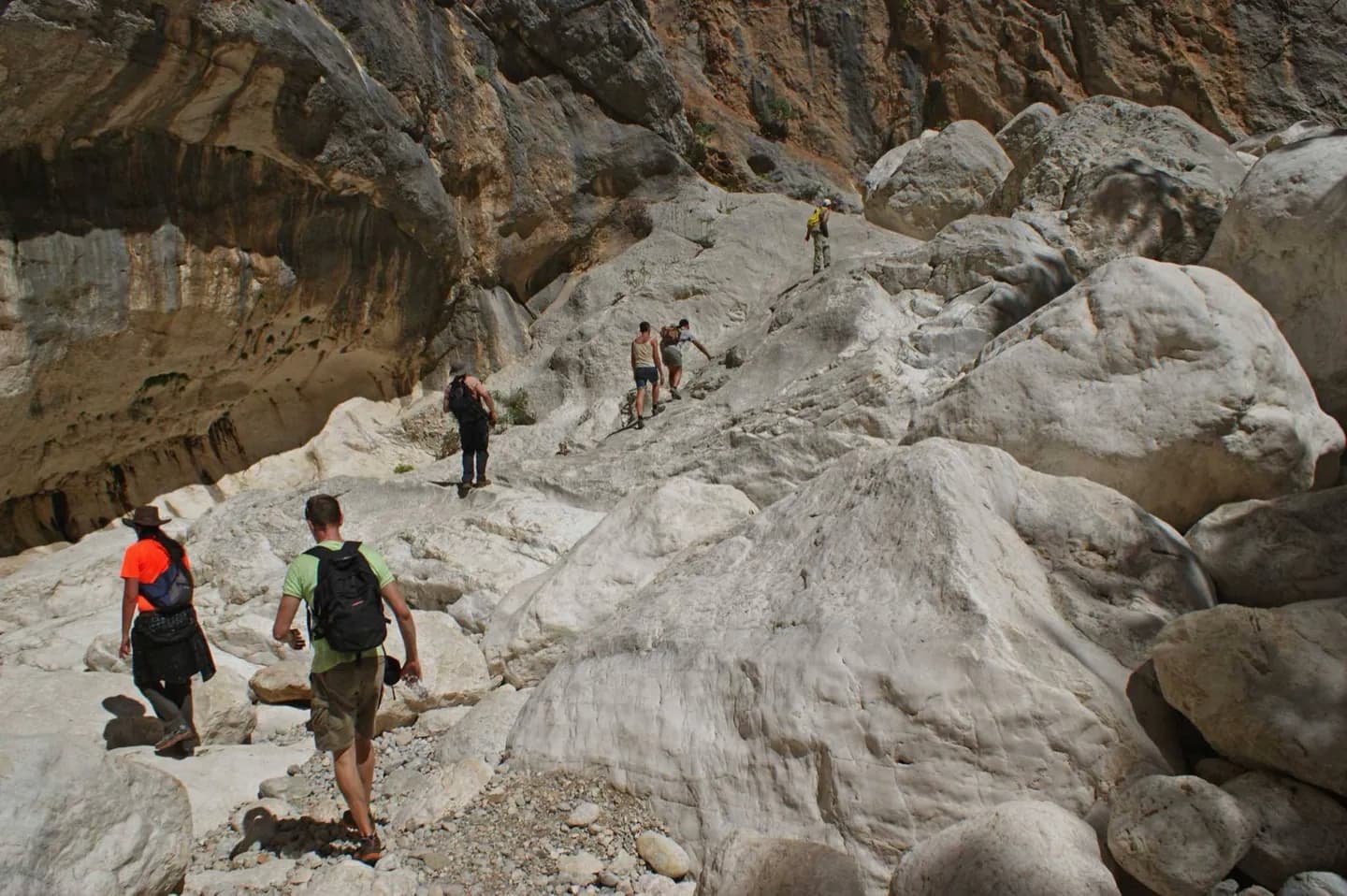
Emergency services use the European number 112. On the coast, obey flags, barriers and protected-area rules; calm-looking coves can have difficult access or return routes. Inland, mobile coverage and shade may be limited. Wildfire restrictions matter in dry months. In cities, use normal precautions around crowded transport and nightlife, but plan most carefully for environmental exposure and long drives. Preparation matters most when a simple outing becomes remote or exposed. Tell someone the route for longer hikes, carry more water than an urban walk requires and turn back before weather or daylight removes the safe margin. At the shore, use official access points and never cross a closure to reach a viewpoint or beach. Keep the comparison grounded in Sardinia: notice how materials, routes and the surrounding terrain shape what survives. That approach preserves the useful legacy context without turning a visit into a list of names or dates.