
Why go
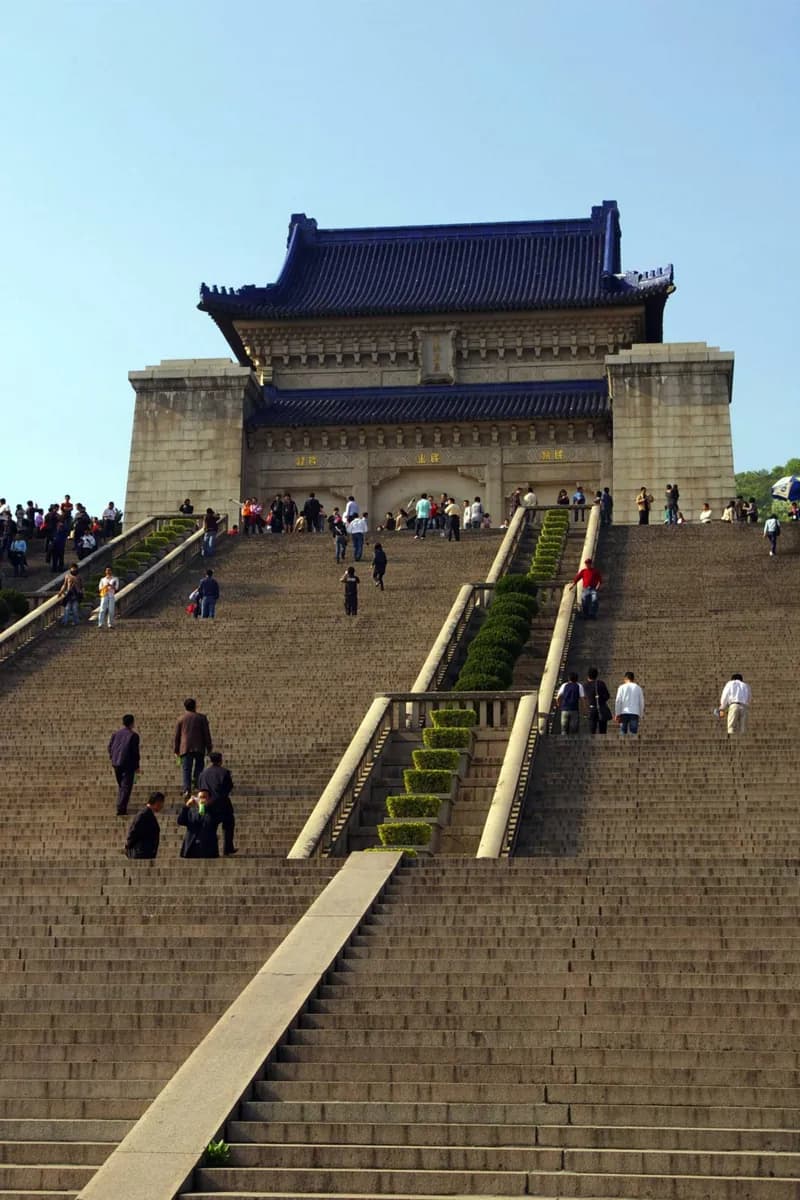
The contrast with Shanghai is historical: Nanjing repeatedly served as a national capital, including during the Republic of China. Nanjing Museum and the Presidential Palace’s modern-history museum offer different starting points for understanding that role. The city suits travelers willing to devote a separate outing to history rather than add another central Shanghai stop.
What to look for
- Nanjing Museum, formerly the National Central Museum
- Modern Chinese history within the Presidential Palace
- The Nanjing City Wall Cultural Museum’s focus on the historic fortifications
The full story
Nanjing means southern capital, a name that points to the city’s recurring political importance. It served as a capital during several historical periods and was the capital of the Republic of China before the civil war ended in 1949. Its museums approach that past from different directions. Nanjing Museum was formerly known as the National Central Museum, while the modern-history museum occupies the Presidential Palace. Other institutions address the Taiping Kingdom, city walls and the seafaring admiral Zheng He. These separate subjects explain why a single museum visit cannot stand for the city’s whole history. Cultural life also extends beyond political institutions. Nanjing has a longstanding association with opera, including Kunqu and several other regional performance traditions. Together, the museums and performing arts make the excursion a look at a former capital’s continuing cultural identity.
Useful to know
- Set aside a separate excursion and allow for the journey from Shanghai.
- Choose Nanjing Museum or the Presidential Palace as the main anchor before adding another museum.
- Check each museum’s current admission arrangements and leave time for transfers within Nanjing.
Your next visit
Estimated · Declared scenario and planning estimates; no live opening, weather, queue or booking service.
Outdoor visit · 30–45 min
World planning estimate; admission, opening, visit duration and access need checking.