
Why go
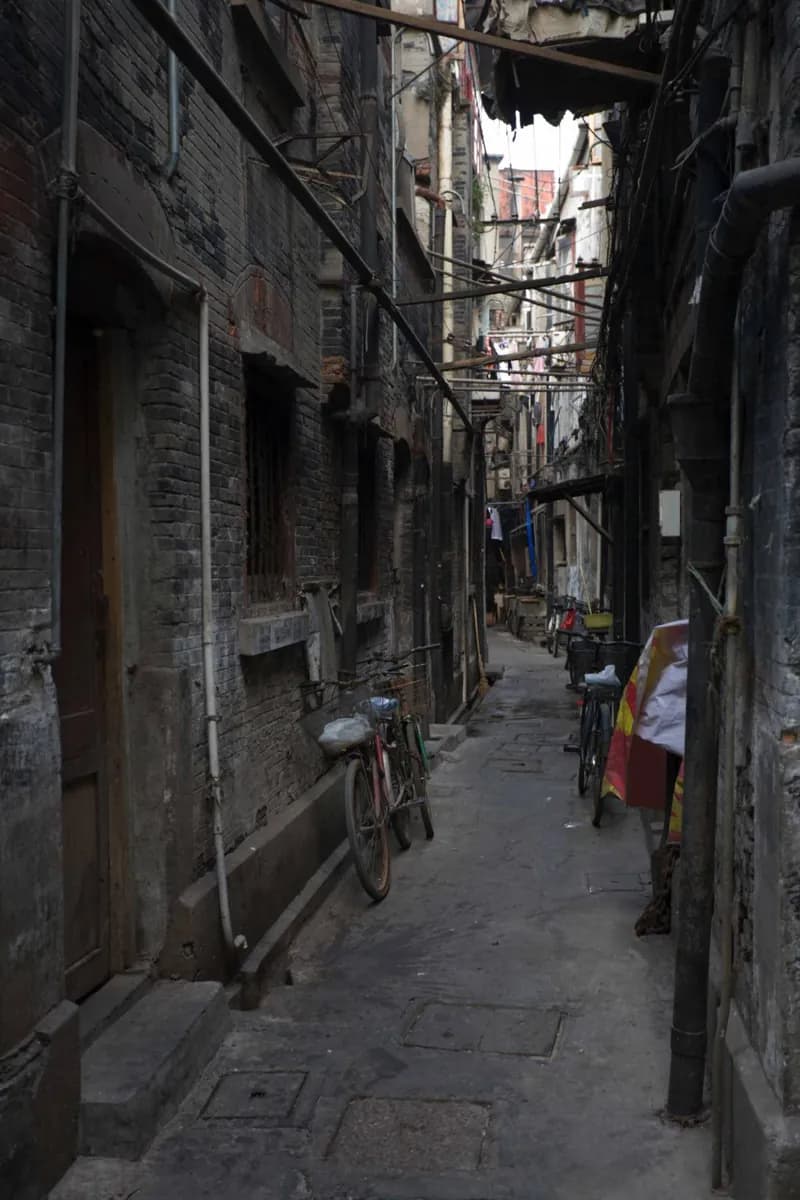
The former Ohel Moshe Synagogue provides a tangible anchor for understanding Jewish refugees’ lives in Shanghai during the 1930s and 1940s. Museum documents such as passports, boat tickets and residence permits connect forced migration to individual journeys. The neighborhood gives those accounts their urban setting.
What to look for
- The former Ohel Moshe Synagogue houses the Shanghai Jewish Refugees Museum.
- Passports, boat tickets and residence permits trace refugees’ journeys.
The full story
Shanghai offered refuge to Jews escaping persecution in Europe before and during World War II. Under Japanese occupation, stateless refugees were forced into a restricted sector in Hongkou. This was not a walled enclosure: Chinese residents continued to live in the same poor, crowded neighborhood. That shared urban setting matters when imagining the streets during the war. Housing shortages, hunger, disease and limited employment made daily life difficult. Established Jewish families and relief organizations, including the American Jewish Joint Distribution Committee, helped with food and shelter. Refugees also created schools, newspapers, theatrical productions and sports teams. These activities were ways to sustain community under severe restrictions. The history therefore involves both coercion and the work of rebuilding ordinary life. The former synagogue and personal travel documents help move the story from an abstract account of migration to the choices and constraints faced by individual families.
Useful to know
- Pair the Hongkou neighborhood with the museum for historical interpretation.
- Check museum visitor information separately from the walk through the former refugee district.
Your next visit
Estimated · Declared scenario and planning estimates; no live opening, weather, queue or booking service.
Outdoor visit · 30–45 min
World planning estimate; admission, opening, visit duration and access need checking.