
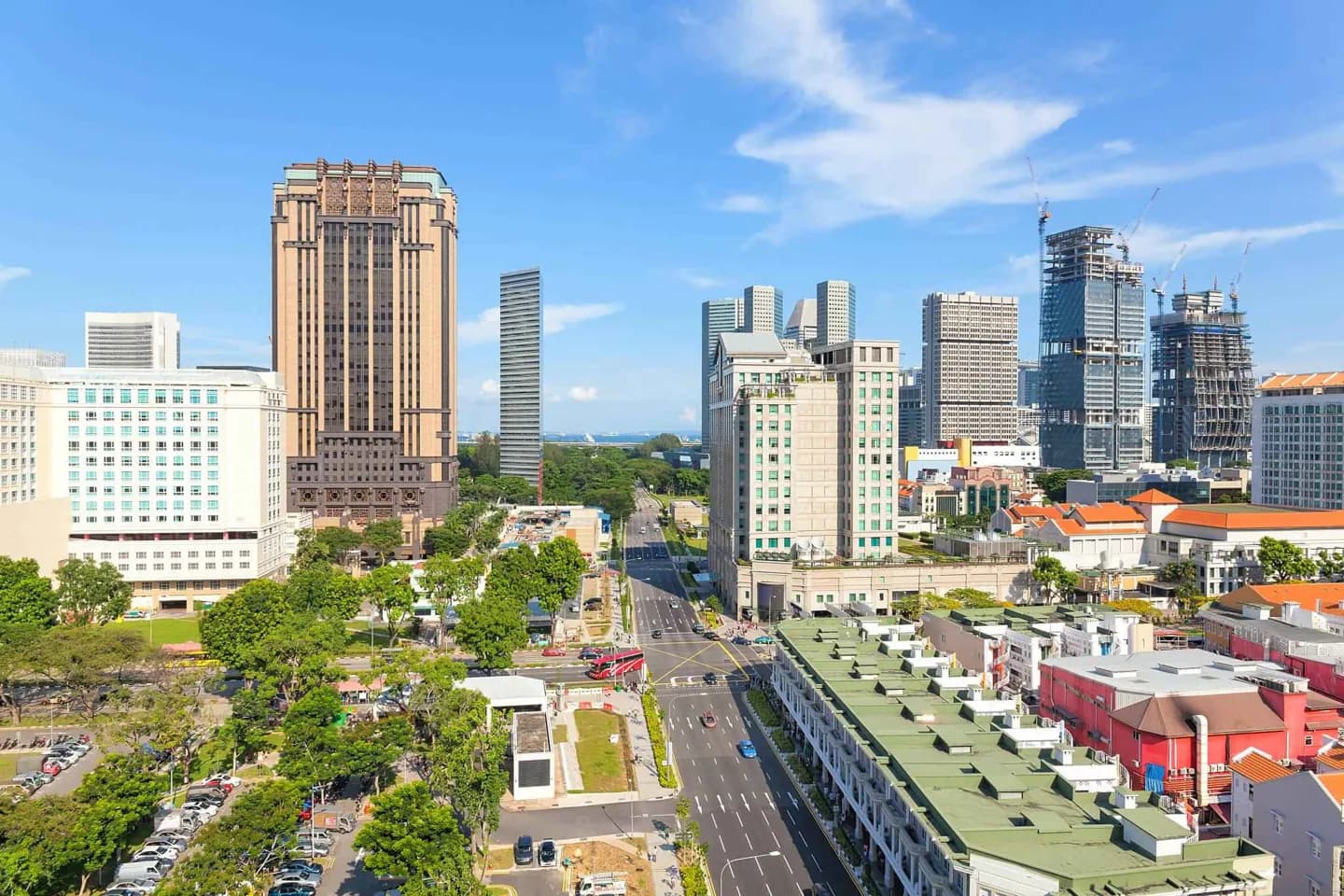
Why go
Come for the contrast between a contemporary retail district and the history attached to its street name. Knowing that the present market and the old Bugis Street are different places makes the area easier to read on foot. That distinction is especially useful if you came looking for the district’s social history.
What to look for
- The original Bugis Street beside the Bugis Junction complex.
- The present Bugis Street shopping lane, developed from New Bugis Street.
- The shift from older street trade to redeveloped malls and market lanes.
The full story
Bugis takes its name from a seafaring people from South Sulawesi who traded in the region. The older account links their boats to a former canal in this district, though that detail rests on local recollection rather than a surviving feature visitors can trace. After the Second World War, Bugis Street became known for hawkers, nightlife and the nightly presence of trans women. For several decades, that scene was part of Singapore’s public culture and drew visitors as well as locals. Major redevelopment and construction around the Bugis transit station in the 1980s changed the district and ended that street life. The original Bugis Street is now framed by the Bugis Junction complex. The shopping lane promoted today as Bugis Street developed from New Bugis Street, formerly Albert Street. Treat the two names as a clue to urban change, not as evidence that the old nightlife scene survives there.
Useful to know
- Distinguish the original Bugis Street from the shopping lane now marketed under that name.
- Combine a Bugis walk with nearby Bras Basah or Kampong Glam rather than making it a stand-alone history excursion.