
Why go
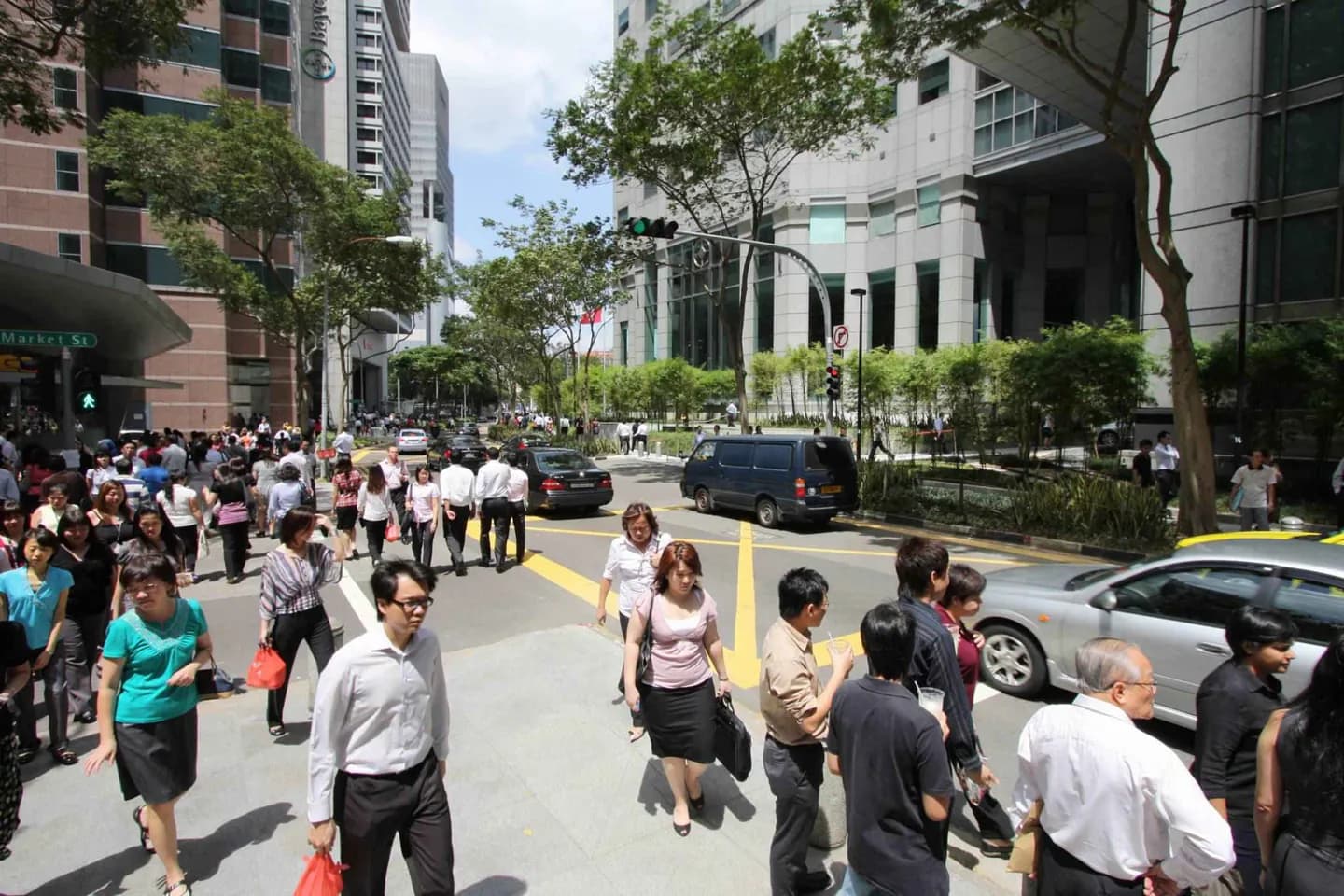
This context helps you understand why several languages, religious traditions and community institutions share a compact city. It also explains why Housing and Development Board flats are central to everyday Singapore, far beyond the older tourist districts. These patterns are easier to see across several neighbourhoods than in one district.
The full story
Singapore’s growth as a port brought people from the Malay world, China, India and other regions. That history remains visible in languages, places of worship, food traditions and community institutions. English serves as a common language, while Malay, Mandarin and Tamil are also official languages. Many residents use more than one language, and colloquial Singapore English is often called Singlish. The island’s population cannot be understood only through old ethnic districts: migration continued long after the colonial period, and public housing became a major part of life after independence. Housing and Development Board flats, usually shortened to HDB flats, house a large share of residents. These estates place the everyday city well beyond the central riverfront. Old neighbourhoods still offer historical clues, but they are not complete portraits of any community. The most useful way to read Singapore is through the overlap of port migration, shared civic systems and distinct cultural practices.