
Why go
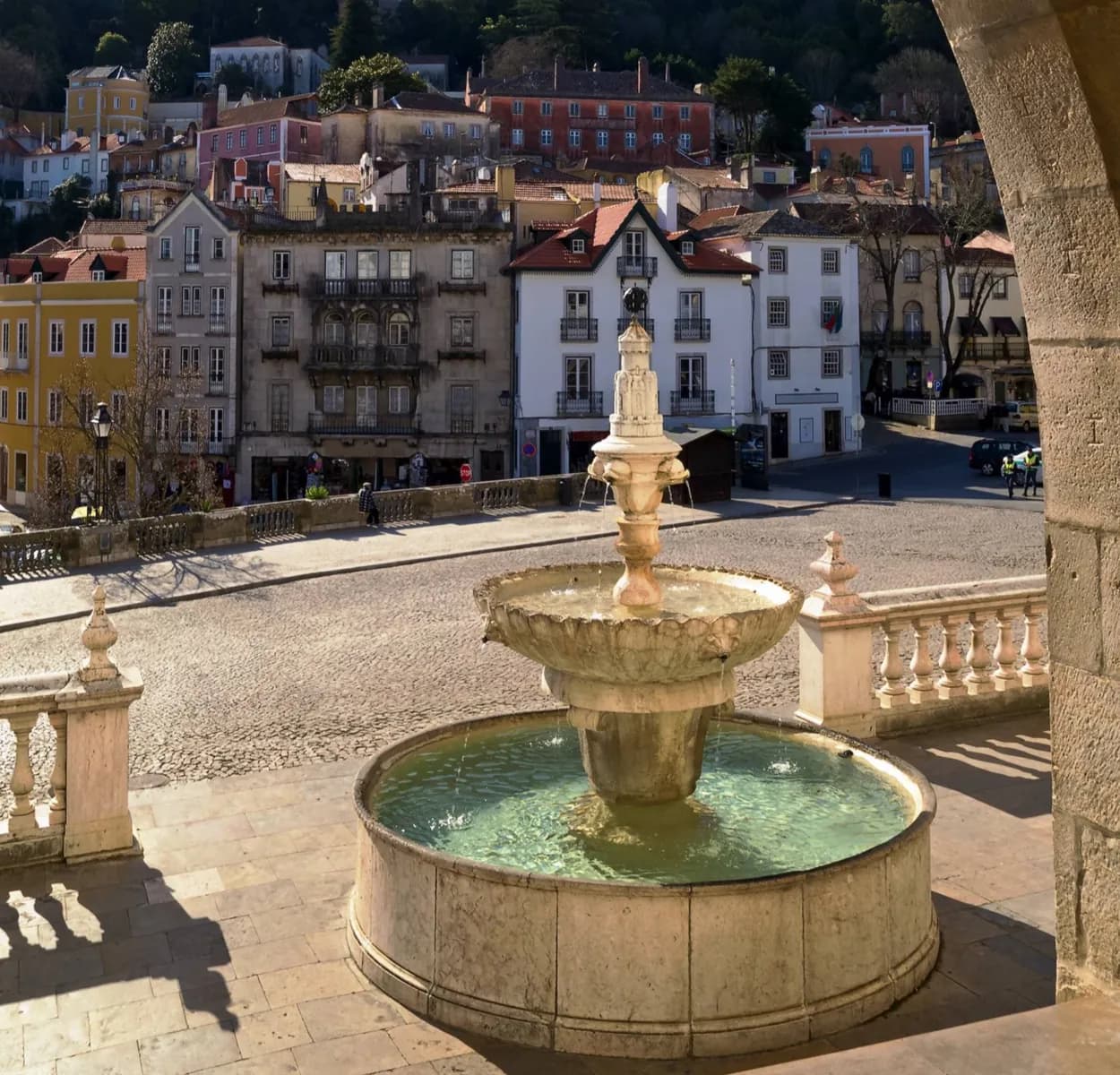
A visit focused only on palaces can miss Sintra's twentieth-century story. Alterations beside the National Palace, archaeological work at Santa Eufémia and Praia das Maçãs, and summer development on the coast show how modernization and preservation advanced together, sometimes in conflict.
The full story
After the republic was proclaimed in 1910, Sintra promoted agriculture, commerce and urban growth. Colares had gained a defined wine-growing zone in 1908, followed by efforts to oversee and market its wines. Change also cost older fabric: annexes near the National Palace were removed in 1911, and the Church of the Misericórdia was cut back to widen a road. Rail access from Lisbon and summer visitors helped the town grow rapidly. In response to damage and alteration, heritage groups in the 1920s worked to study and protect Sintra's art and archaeology. Félix Alves Pereira investigated Santa Eufémia, and prehistoric discoveries near Praia das Maçãs were published. Coastal Sintra also became a summer-residence landscape, with architects including Raul Lino working in the area. Today's mixture of historic core, changing streets and coastside houses reflects these overlapping pressures of use, growth and conservation.