
Why go
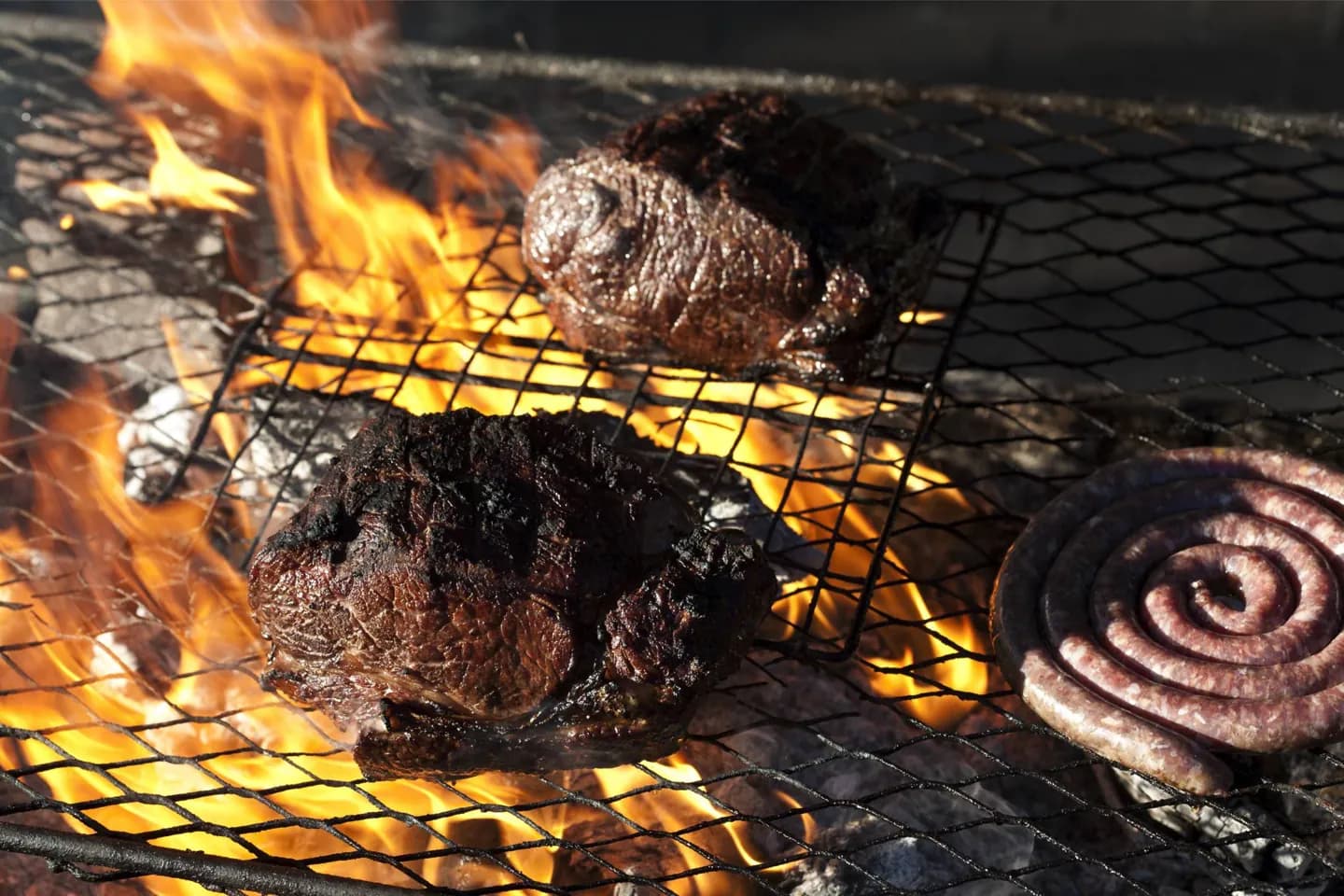
Knowing a few staple ingredients makes a menu easier to read. Pap is a maize-meal porridge often paired with meat or a stew; sorghum versions and fermented milk show other grain and dairy traditions. Pumpkin and beans add useful contrasts to the familiar focus on braai.
The full story
Before colonial settlement, people in the region gathered wild plants, hunted and used locally available grains. Cattle keeping and cultivation shaped later food practices, with sorghum and fermented milk important in many communities. Maize eventually became a staple, and pap remains one of the clearest examples: it can be served with a rich meat gravy or other accompaniments. Sorghum porridge may be fermented, giving it a tangy flavour. Pumpkin dishes and beans show how vegetables and grains can be central to a meal, even when meat receives the most attention. Braai, the cooking of food over a fire, is a widespread social practice, but it should not stand in for every indigenous tradition. Food customs differ among communities and households. When trying a local meal, ask what the pap or grain is served with; the pairing often explains more than the staple alone.