
Why go
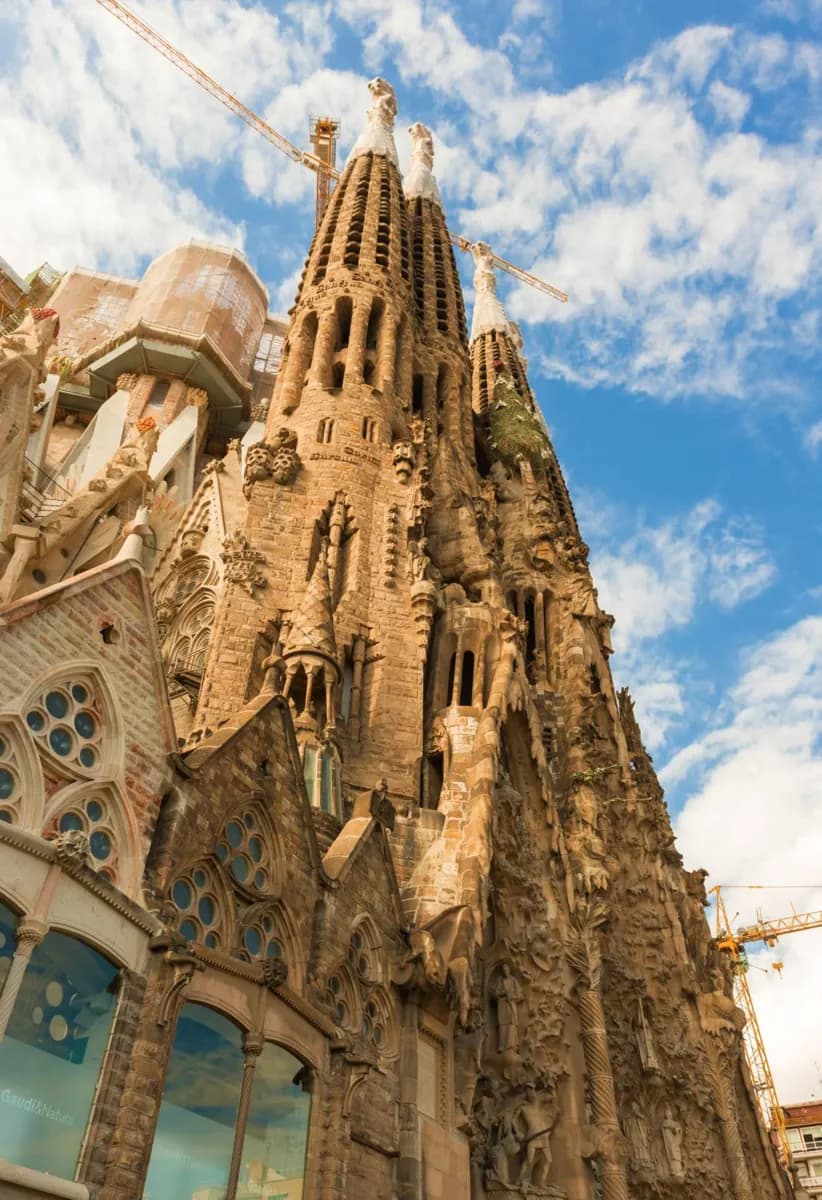
Compare Córdoba's Roman and Islamic layers with the Nasrid palace complex in Granada. Elsewhere, look for Mudéjar work, which brings Islamic decorative forms into buildings made under Christian rule. Barcelona's modernisme, including Gaudí's work, offers a much later contrast to these medieval traditions.
The full story
Córdoba was an important Roman city before it became a major cultural centre under the Islamic Umayyad dynasty. Later Islamic rulers continued to develop architecture on the peninsula, culminating in the Nasrid palace complex at Granada. Christian kingdoms formed their own styles and later drew on Romanesque and Gothic forms. Mudéjar architecture combined Islamic motifs and craft traditions with buildings made in Christian territories, leaving a visible record of cultural exchange. In the modern period, Catalan modernisme produced a different architectural language, with Antoni Gaudí among its best known figures. These styles overlap geographically as well as historically. The most useful way to read a building is often to look for what was added, adapted or reused, rather than assign it to a single era.