
Why go
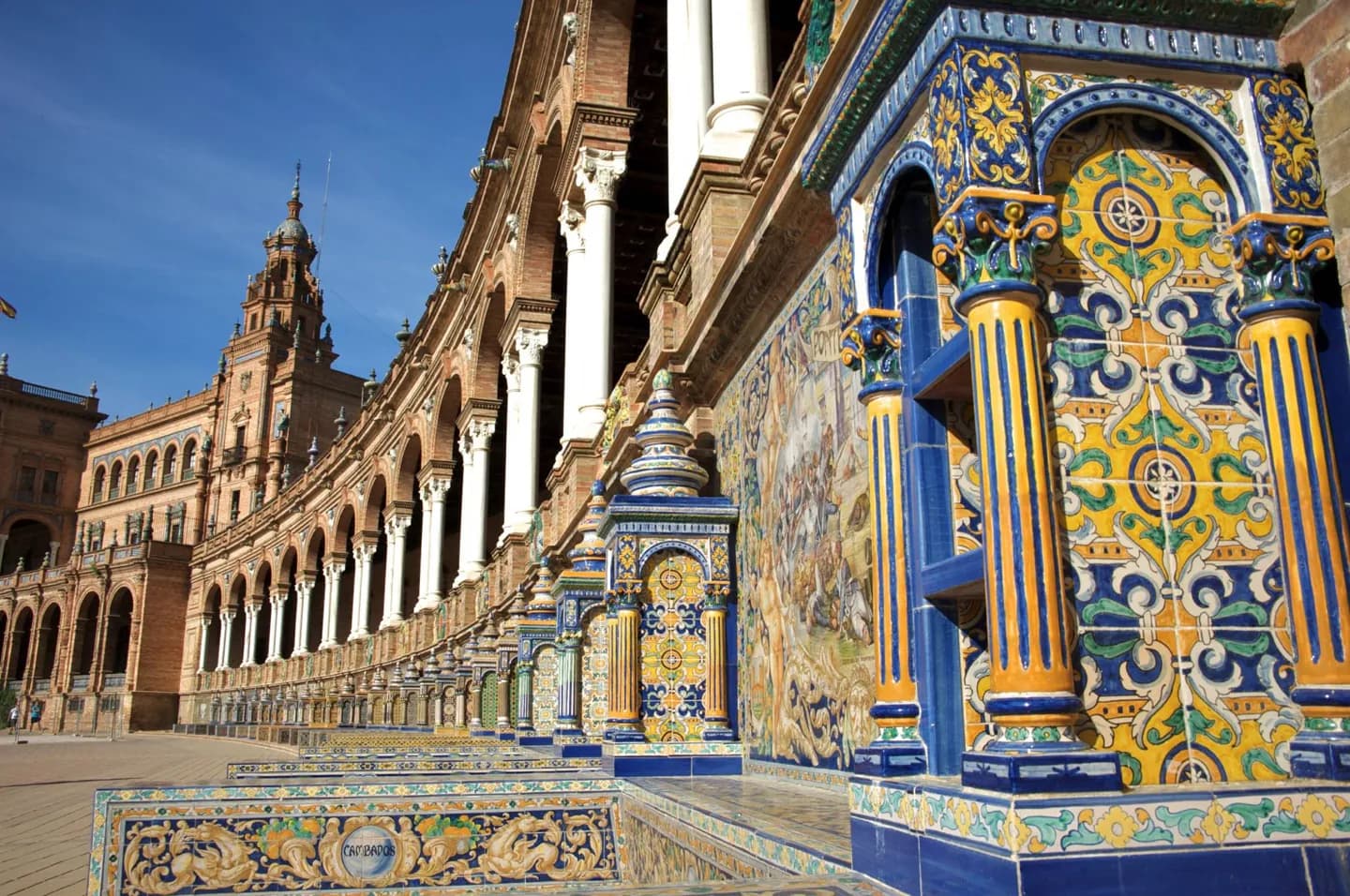
Pay attention to local languages and traditions as you move between Catalonia, Galicia, the Basque Country and the rest of Spain. They are part of daily public life and regional identity, not simply alternative names on signs. Art, music and food offer further ways to see how shared history meets local character.
The full story
Spain's culture grew through many influences, including pre-Roman peoples, Rome, medieval Muslim societies and Christian kingdoms. Jewish communities also contributed to the life of some cities. The resulting traditions vary across the peninsula and islands. Spanish, also called Castilian, is widely spoken, but it is not everyone's first language. Catalan, Galician and Basque are especially important in their regions; Aranese, Aragonese and Asturian are among other local languages named in the historical account. Geography helped sustain some differences. Northern mountains separated communities, while Atlantic and Mediterranean connections carried people and ideas by sea. The country's regional identities are visible in literature, music, food and the language used in public space. Look for those differences in the places you visit rather than expecting a single national style.