
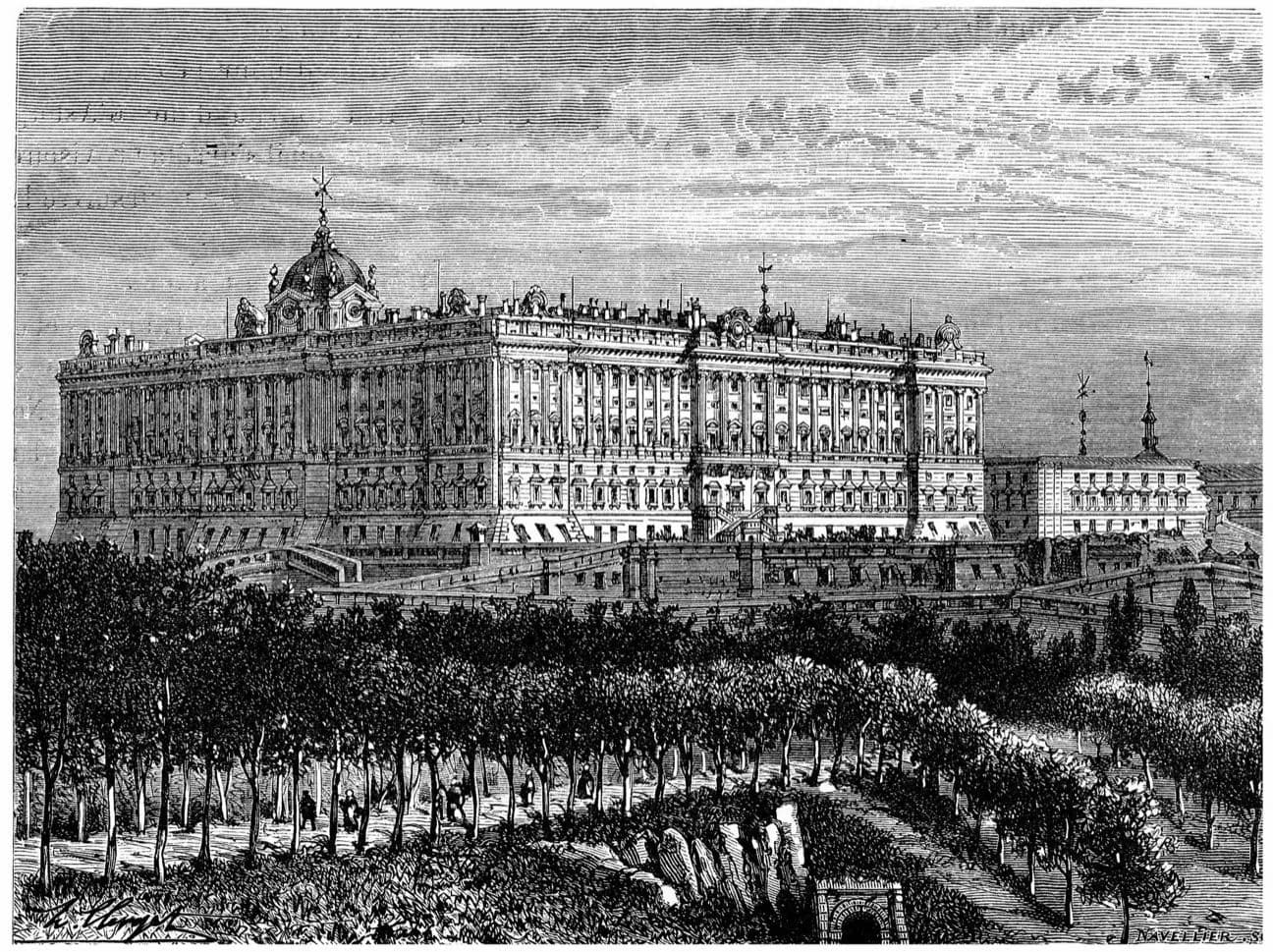
Why go
History makes the contrast between Córdoba, Granada and other Spanish cities easier to read. It also explains why a Roman site, an Islamic palace and a Christian cathedral may sit close together. The Civil War and later dictatorship add essential context for understanding modern Spain and its regional debates.
The full story
Roman rule followed earlier Iberian, Celtic and other cultures on the peninsula. After the western empire, Germanic kingdoms governed much of the territory. Muslim armies arrived from North Africa in the early eighth century, and Islamic rule endured in parts of Iberia for centuries. Christian kingdoms expanded from the north; Granada, the final Muslim kingdom, fell in 1492. The same year began Spain's Atlantic expansion, which grew into a vast empire and brought severe destruction to Indigenous societies in the Americas. The early modern period also produced the art and literature known as the Spanish Golden Age. Napoleon's invasion helped trigger upheaval and independence movements across the empire. In the twentieth century, the Second Republic gave way to civil war and decades of dictatorship under Francisco Franco. Democracy returned through a parliamentary constitutional monarchy. These turning points are visible in different ways across Spain, and no one city tells the whole sequence.