
Why go
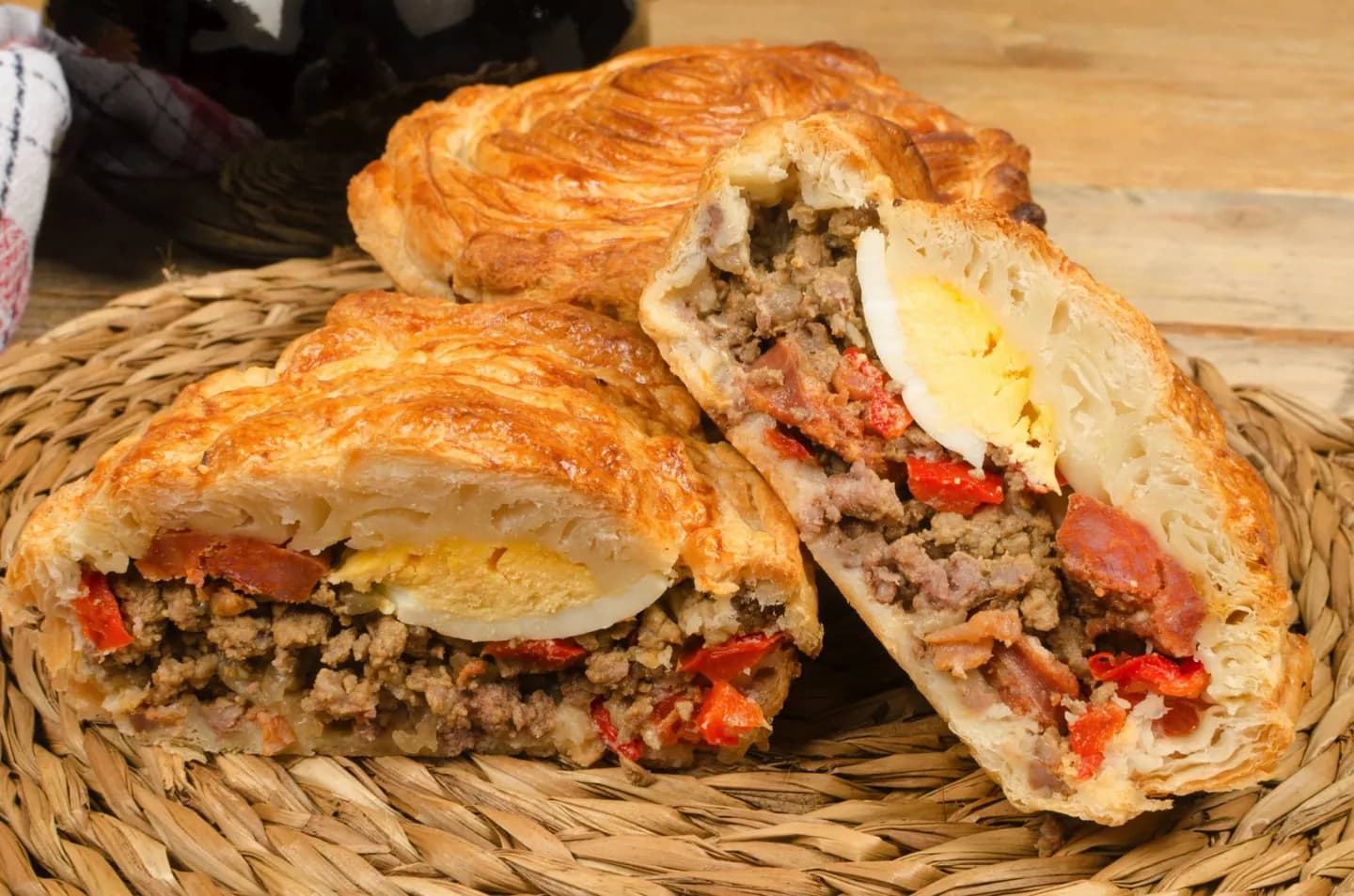
Rice, almonds and citrus point to the culinary legacy of al-Andalus, while tomatoes, peppers, potatoes and cocoa arrived through transatlantic exchange. Notice how ingredients from different eras sit together in foods now regarded as thoroughly Spanish, rather than looking for one original national recipe.
The full story
The history of food in Spain is a history of exchange. Greek and Roman influence is part of the long story of Mediterranean vines and wine, although a single point of origin for present-day practices is hard to assign. In the Middle Ages, Muslim-ruled al-Andalus connected the peninsula to wider networks of crops and cooking. Rice, sugar cane, almonds, eggplant, spinach and citrus are among the ingredients associated with that era in the source account. They remain useful clues when reading a menu, particularly in rice dishes, sweets and vegetable preparations. Contact with the Americas brought another major change. Tomatoes, potatoes, maize, peppers, vanilla and cocoa entered European cooking after 1492. Chocolate became especially prominent in Spain, while olives, grapes and grains also crossed the Atlantic in the other direction. The point for a traveler is not to classify each modern dish by one ancestry. It is to recognize that even the most familiar Spanish flavors grew through movement between regions and continents.