
Why go
Mount Teide gives the island its dramatic volcanic centre, while San Cristóbal de La Laguna preserves a historic urban chapter. Santa Cruz de Tenerife adds a different, contemporary city setting and a major carnival tradition. These contrasts help make sense of Tenerife as more than one landscape or resort experience.
The full story
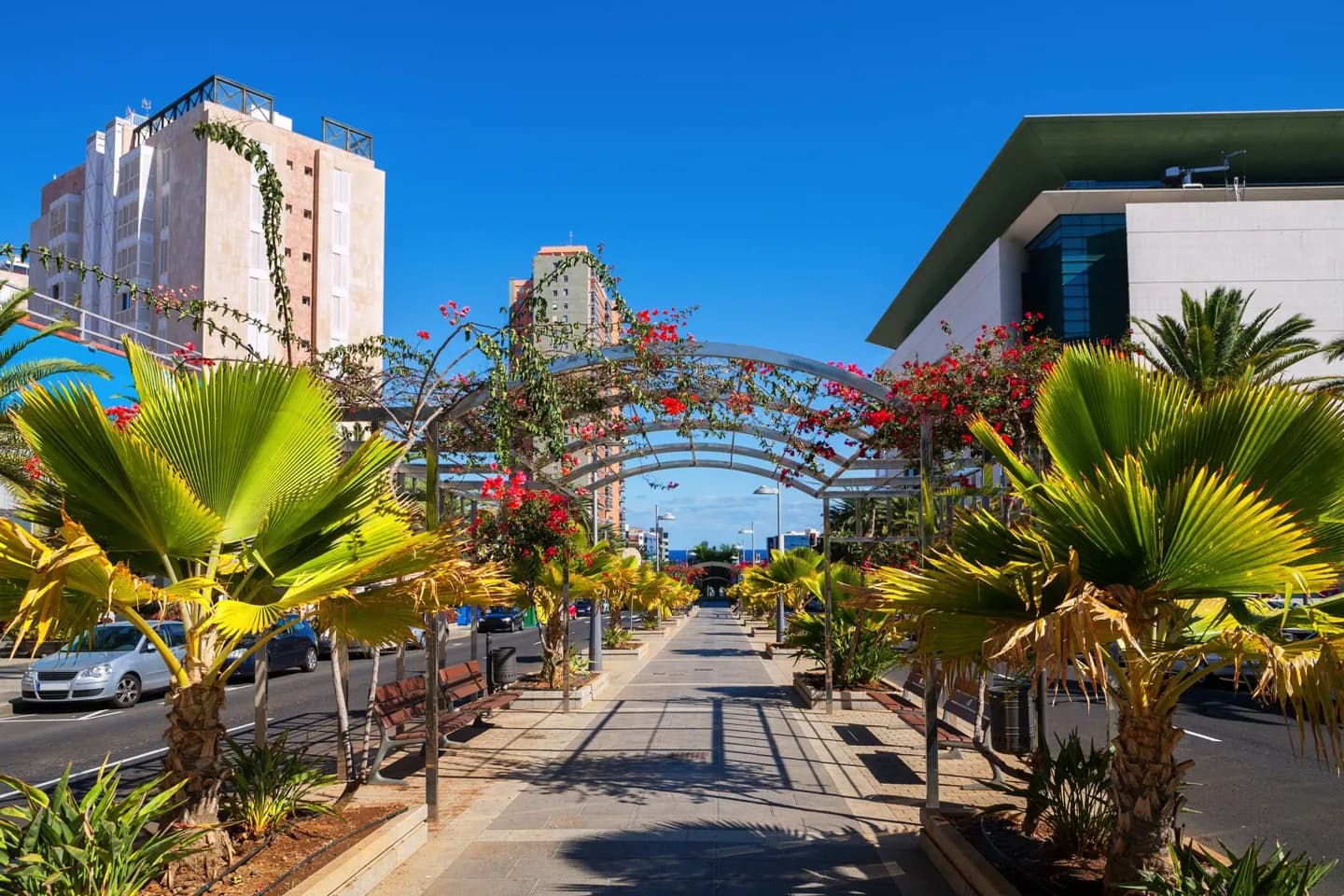
Tenerife's history and geography are easiest to understand through three different settings. Teide National Park is recognized as a World Heritage Site and contains the island's volcanic high ground, including Mount Teide, Spain's highest peak. San Cristóbal de La Laguna represents an older urban centre with its own World Heritage recognition. Its university dates to the late eighteenth century, adding another layer to the historic city. Santa Cruz de Tenerife offers a contrasting contemporary setting: the modern Auditorio de Tenerife is a clear visual counterpoint to La Laguna's older streets, and the city's carnival is an important part of its cultural identity. Away from these cities, the Anaga massif adds steep terrain and a different natural environment from the open volcanic high ground. Together, these places show why a simple picture of Tenerife as coast and sun misses much of the island's character. This is context for understanding the island's contrasts, rather than a suggested route through its sites.