
The full story
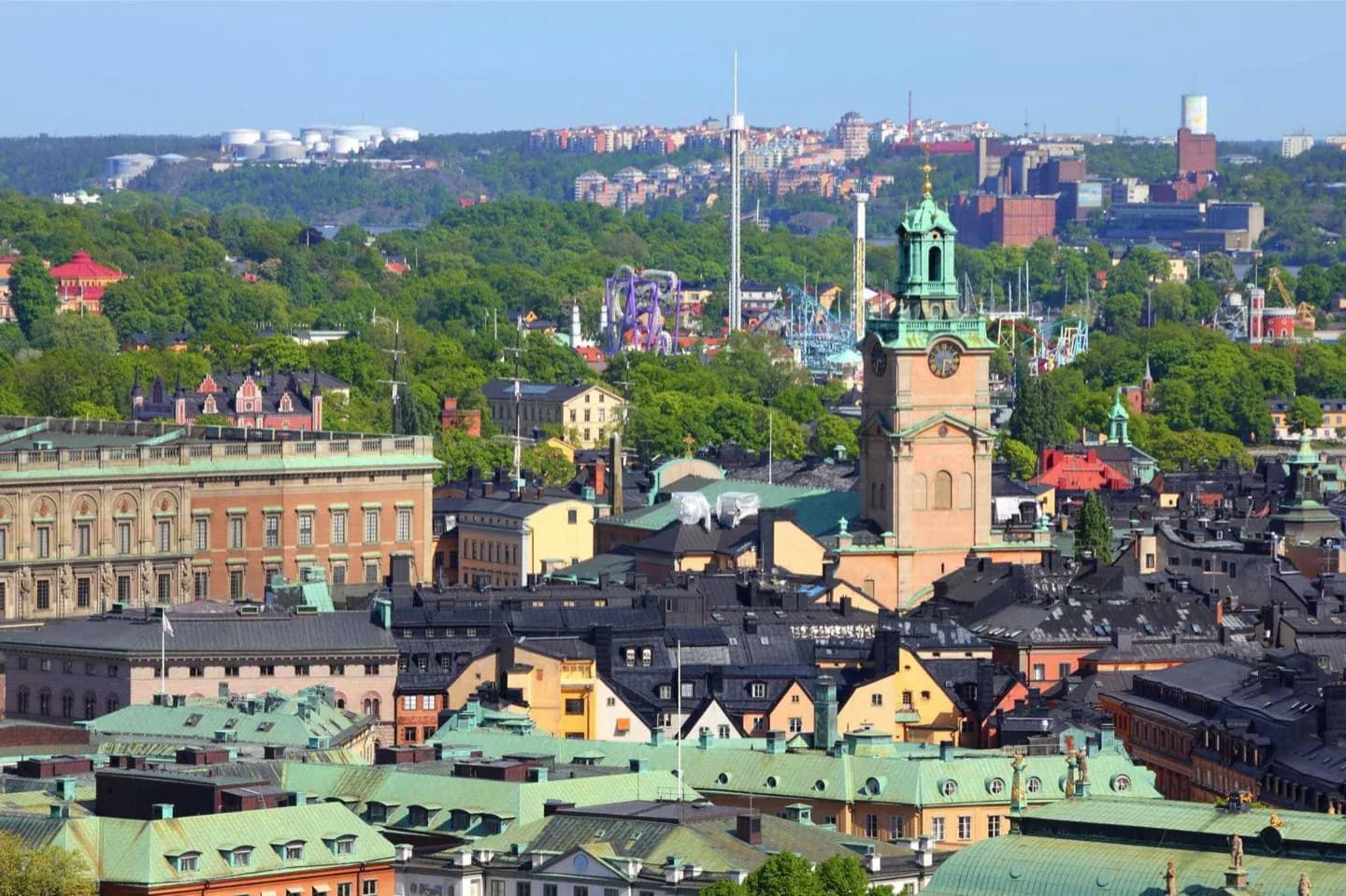
Stockholm developed where Lake Mälaren meets the Baltic Sea, a position that made control of trade and movement strategically important. The medieval settlement grew around today’s Gamla Stan, then expanded north and south across islands and mainland districts. Water still divides the center, but bridges, ferries and short transit links make many crossings part of everyday movement rather than barriers. This geography should shape a visit. Group Gamla Stan with the palace and parliament; connect Blasieholmen’s museums with Djurgården by tram, ferry or waterfront walk; explore Södermalm as its own elevated district rather than an extension of the Old Town. Architecture ranges from medieval brick and seventeenth-century palaces to twentieth-century civic buildings and modern redevelopment. Seasonal light changes the experience sharply. Long summer evenings favor parks and waterfronts, while short winter days reward compact routes that alternate exposed crossings with museums and churches.