
The full story
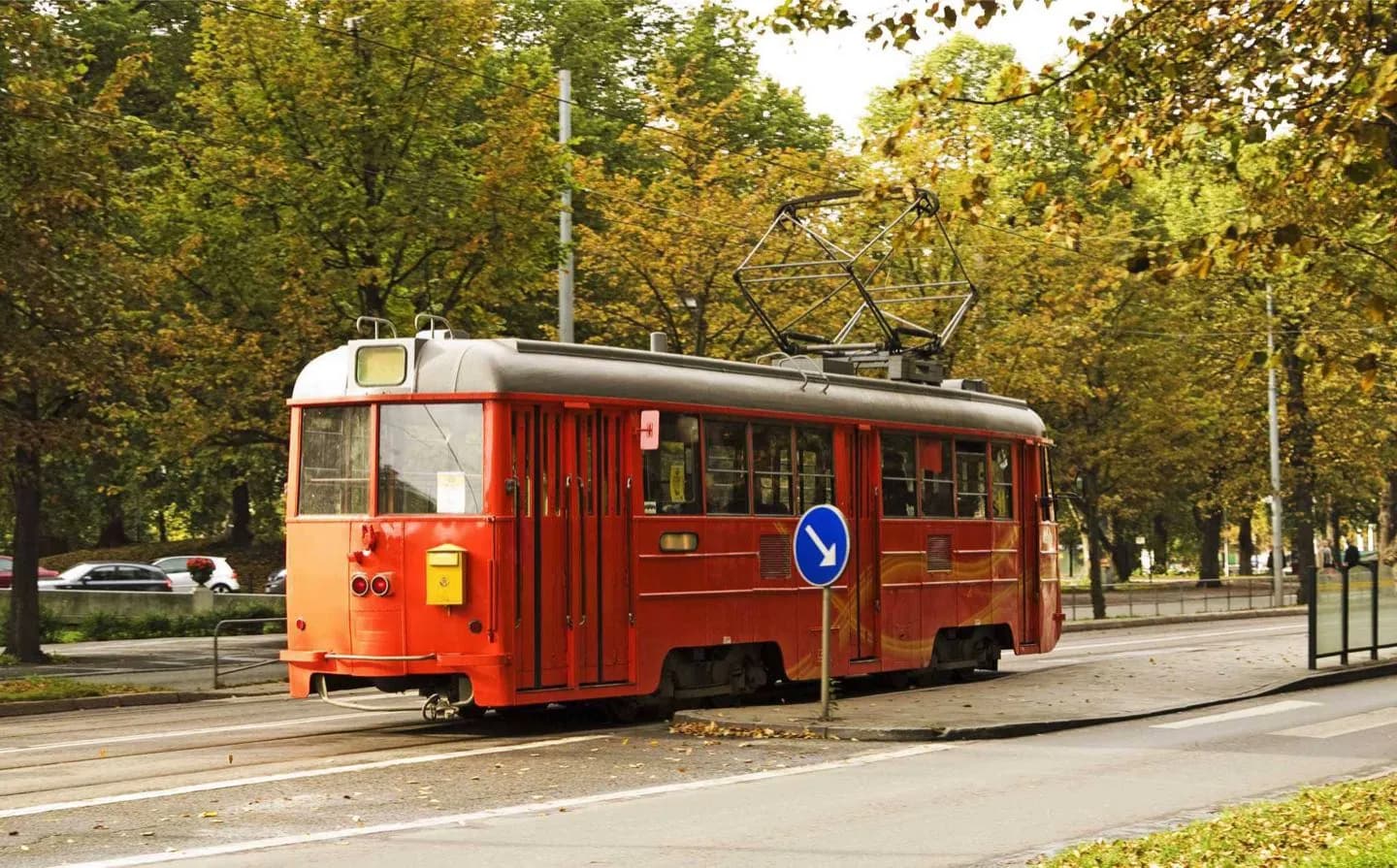
Stockholm’s public transport is most useful as a connected system rather than a set of separate modes. The metro handles longer moves between central districts, while buses and trams fill gaps and reach places such as Djurgården. Ferries can be practical transport as well as a view of the harbor, particularly when moving between central waterfronts and the museum island. Plan by district and crossing: Gamla Stan, Norrmalm and Södermalm are close on a map, but bridges, slopes and station entrances affect the real journey. T-Centralen is the main interchange, though a direct bus, tram or ferry may avoid an unnecessary transfer there. Use the official SL journey planner for current routes, disruptions and accessible options. Tickets can be bought through SL’s current channels, including contactless payment for a single journey; use the same physical card or device throughout and remember that each contactless card covers one traveler. Check which ferries are included before boarding, since sightseeing boats and public transport services are not interchangeable. Allow extra time during snow, major events and late-evening service changes.