
Why go
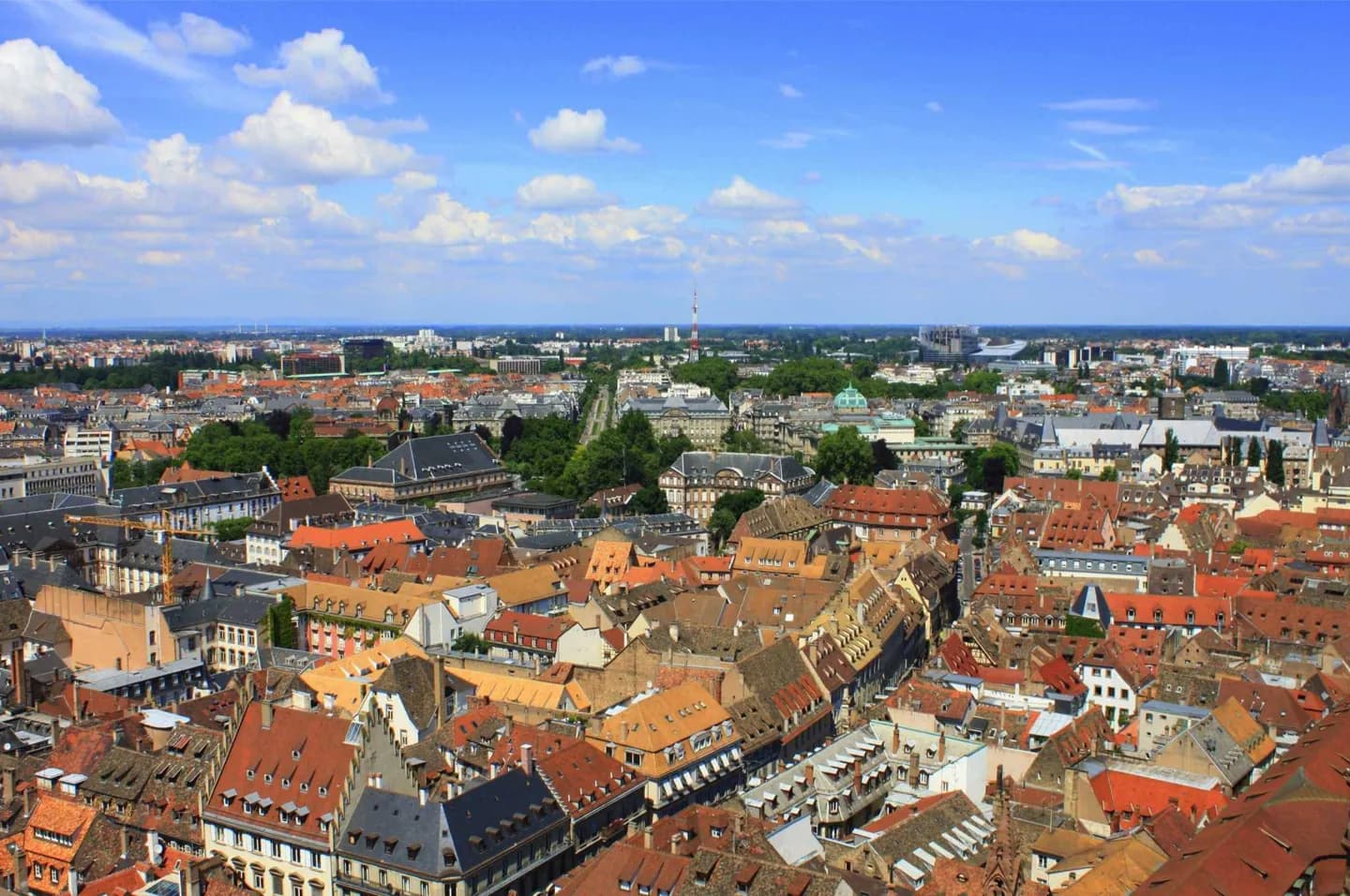
Grande Île gives you the medieval centre, including the cathedral and Petite-France. Neustadt shows a later phase of urban growth, while the European Parliament and Council of Europe express the city’s modern cross-border role. Reading these areas together makes the streets and institutions easier to place in Strasbourg’s French and German history.
The full story
Strasbourg grew beside the Ill close to the Rhine, with Germany just across the river at Kehl. Its position made it a place of exchange as well as a city contested between France and Germany. The old centre on Grande Île preserves a dense pattern of streets, churches and waterside buildings; UNESCO recognized the island as a World Heritage site in 1988. The city’s European institutions add another layer to that border history. The European Parliament, Council of Europe and European Court of Human Rights are separate bodies, so a visit to the institutions district tells a different story from a walk around the cathedral. For a first visit, begin with the island’s visible layers, then compare them with the broad streets of Neustadt or the modern civic buildings farther northeast.
Useful to know
- Pair the cathedral area with Petite-France for a compact historic walk.
- Set aside a separate trip for the European institutions; check official visitor arrangements before going.